Senegal Makes Affordable Sickle Cell Drug for 8M Patients
A Senegalese lab is producing Africa's first locally made sickle cell treatment at one-third the cost of imported drugs. The breakthrough offers hope to 8 million patients worldwide, 80% of them in Africa.
For 15 years, Mamadou Tahirou has battled bone pain, severe anemia, and headaches so intense they've forced him to miss school regularly. Now, a groundbreaking pharmaceutical lab in his home country of Senegal is offering him something he's never had before: an affordable, locally made treatment.
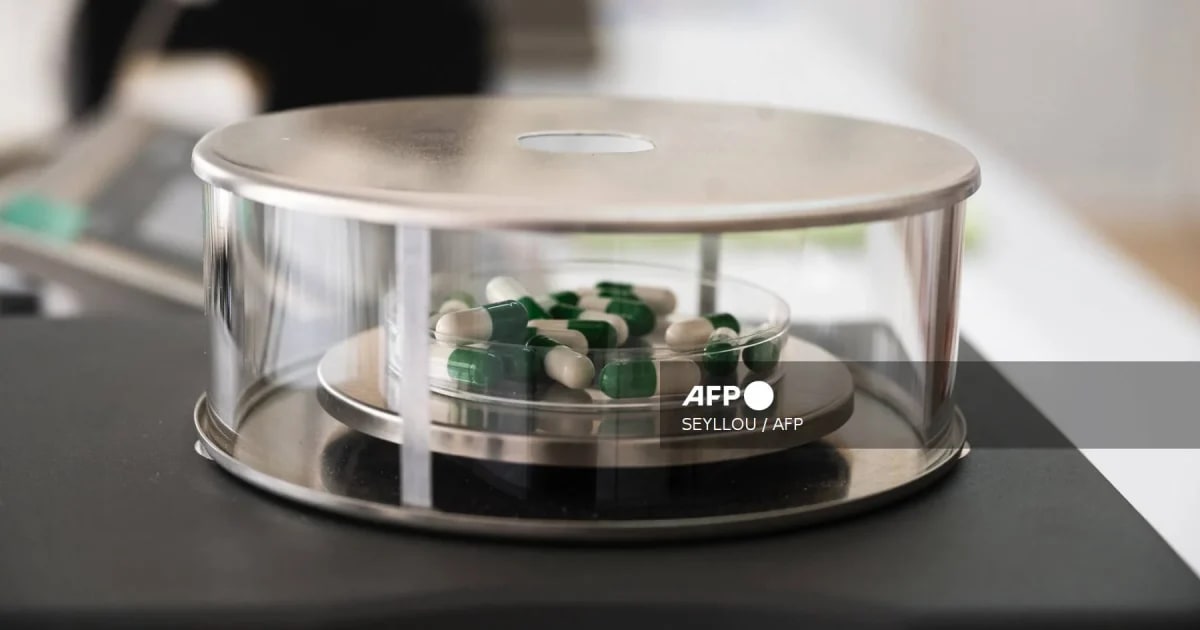
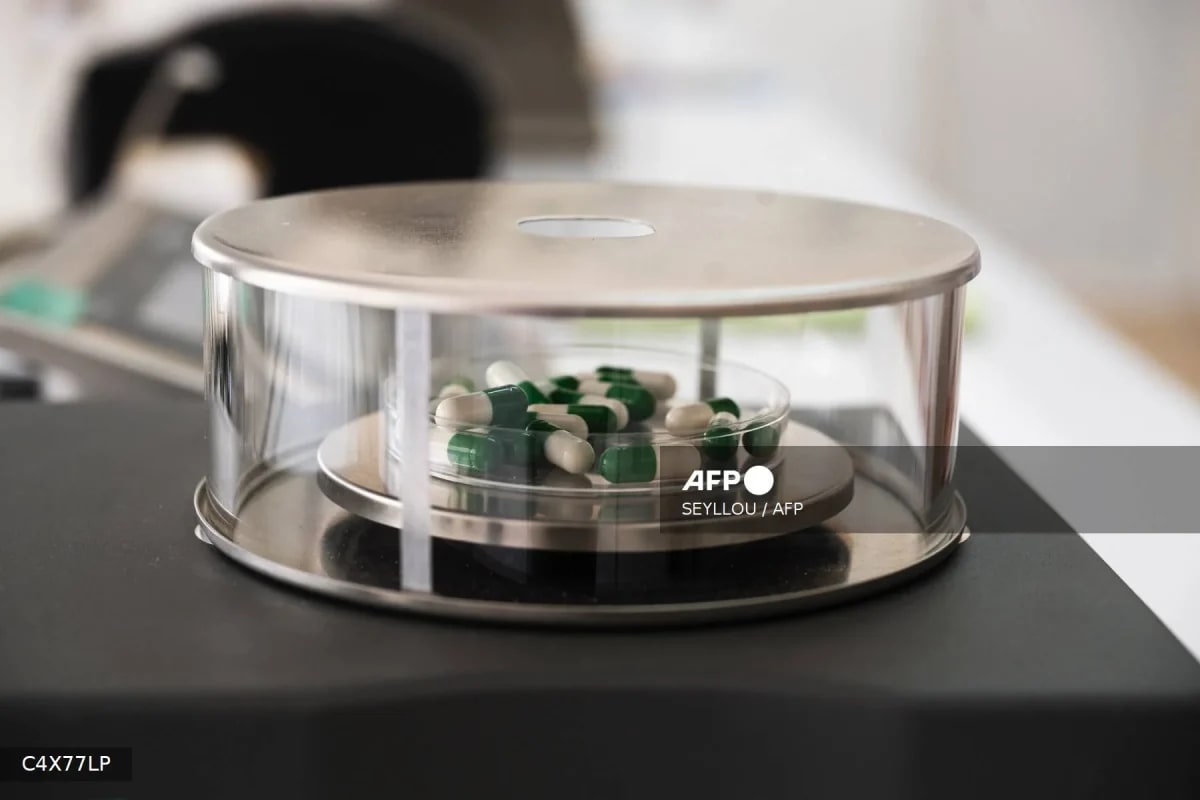
Teranga Pharma launched Drepaf in November 2025, becoming the first Senegalese company and one of the few labs in all of Africa producing generic hydroxyurea. The drug is the gold standard treatment for sickle cell disease, recommended by the World Health Organization to reduce painful crises, hospitalizations, and deaths.
The timing couldn't be more critical. Africa accounts for nearly 80% of the world's 8 million sickle cell cases, yet the continent has relied almost entirely on expensive medicines imported from Europe and the Americas. A 2023 study found that 78% of healthcare professionals across 13 French-speaking sub-Saharan African countries reported frequent disruptions in hydroxyurea supplies.
Drepaf sells to pharmacies at wholesale prices of $12 for adults and $6 for children. That's up to one-third the cost of imported alternatives like Hydrea and Siklos, making treatment accessible to families who've been priced out of care for years.
The company invested $7.1 million to create versions for both adults and children, including a pediatric formula that can be used from nine months old. Before Drepaf, no local solution existed, forcing doctors to treat only the symptoms rather than addressing the disease's root cause in red blood cells.
The impact is already visible in homes across Senegal. Lala Dieng switched her 17-year-old son from imported Hydrea to Drepaf 100 and noticed far fewer painful attacks. Magueye Ndiaye, president of the Senegalese Association for the Fight Against Sickle Cell Disease, points out another win: patients now buy one box of 60 tablets instead of two boxes of 20 for the same price.
The Ripple Effect
Demand is spreading rapidly across the continent. Burkina Faso, Guinea, and Ivory Coast are already working with Teranga Pharma, while the Democratic Republic of Congo, Gabon, and Cameroon have submitted requests. The company is partnering with an Indian technical firm to scale up production and meet its ambitious goal of supplying the entire sub-Saharan continent by 2030.
This isn't just about one drug. It's part of a larger movement toward pharmaceutical sovereignty in Africa, reducing dependence on imports and ensuring treatments are designed for African patients' realities. When supply chains break down or prices spike, local production means patients don't have to go without.
Awareness is growing alongside access. Ndiaye, who has been a genetic carrier of sickle cell disease for 20 years, now advocates for early screening and pre-marital testing that can help couples make informed decisions. On World Sickle Cell Day this past June, he brought together specialists to promote comprehensive care combining medication with psychosocial support.
For young patients like Tahirou, the combination of affordable treatment, early screening, and better awareness represents a future where sickle cell disease no longer dictates every aspect of their lives.
More Images



Based on reporting by Punch Nigeria
This story was written by BrightWire based on verified news reports.
Spread the positivity!
Share this good news with someone who needs it