Dogs and AI Detect Cancer From Breath in India Trials
A Bengaluru startup is combining trained dogs' incredible sense of smell with AI to create an affordable cancer screening test that could catch the disease early. Early trials with 1,500 people showed 90% accuracy in detecting cancer from breath samples alone.
A dog's nose can detect cancer in a person's breath, and now a startup in India is turning that natural ability into a real medical tool.
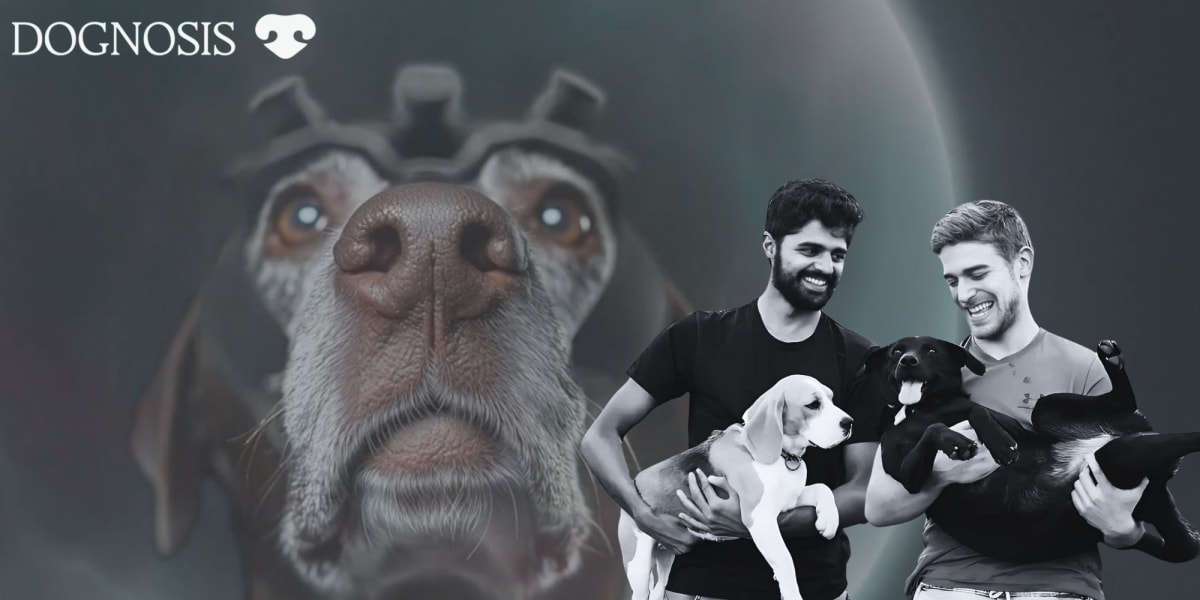
Dognosis, founded in Bengaluru in 2024, is combining the chemical detection power of trained dogs with artificial intelligence to create an affordable cancer screening test. The company collects breath samples on masks, has dogs sniff them for disease markers, then uses brain sensors and machine learning to translate the dogs' responses into consistent, measurable results.
The science behind it is real. Dogs have hundreds of millions of scent receptors compared to just a few million in humans. More than 50 peer-reviewed studies have shown dogs can detect disease across 28 different conditions by smell alone.
The challenge has always been making those results reliable enough for doctors to use. A dog might sit or bark when it smells something, but that's not the same as a standardized lab report.
Founder Akash Kulgod studied cognitive science at UC Berkeley before working in research labs across Israel, Budapest and the UK, where scientists were testing whether animals could smell disease. There he met Itamar Bitan, a former military dog handler, and the two decided to build a company around the idea.
Kulgod moved back to India specifically to develop an affordable screening tool rather than another expensive Silicon Valley product. In a country where cancer is often caught too late and screening is either too costly or too hard to access, a cheap breath test could reach millions of people the current system misses.
The company uses wearable brain-computer interfaces on the dogs to record their neural and behavioral responses when they detect disease markers. Software then standardizes those readings so the same signal gets captured the same way every time.
The Ripple Effect
Dognosis has now raised $2 million from investors including Boost VC, 1517 Fund, and Accel India. The company is running more than 10 hospital pilots across India and says its technology has been validated with the Government of Singapore.
The approach could work for any disease that leaves chemical traces in breath, not just cancer. Early trials with 1,500 participants showed around 90% accuracy, though these figures come from the company and haven't been independently peer-reviewed yet.
The team knows the work ahead is steep. Taking a promising idea and building the kind of solid, repeatable proof a cancer test needs takes time and rigorous validation. But if the results hold up, this could be a fast and affordable way to catch cancer early for people who need it most.
A simple breath test that costs a fraction of current screening methods could change how millions access early detection.
More Images


Based on reporting by YourStory India
This story was written by BrightWire based on verified news reports.
Spread the positivity!
Share this good news with someone who needs it