Dogs Bond With Owners the Same Way Across 5 Countries
A groundbreaking study reveals that hunting dogs in Mongolia, Peru, Madagascar, Vanuatu, and Germany share the same deep bonds with their owners, despite vast cultural differences. The research challenges assumptions about dog-human relationships being unique to Western pet culture.
Scientists just proved what dog lovers have always known: the bond between humans and their canine companions transcends culture, geography, and even how we raise our pups.
Researchers examined over 150 dog-owner pairs across five wildly different communities in Mongolia, Peru, Madagascar, Vanuatu, and Germany. They wanted to know if the close relationships we see between Western families and their pets existed everywhere, or if cultural differences changed the game.
The answer surprised them. Despite enormous diversity in how dogs live and work, the connections remained remarkably similar.
Most research on dog cognition happens in Western societies, but three-quarters of the world's dogs actually work as hunting or guard animals rather than family pets. Scientists assumed these working relationships would look totally different from the pampered pets sleeping on sofas in Western homes.
They put hunting dogs and their owners through six tests measuring communication, trust, and problem-solving. Dogs had to find hidden food by following pointing gestures, lead owners to treats, avoid forbidden snacks, and react to scary objects. Their owners answered 31 questions about their feelings toward their dogs.
The results were stunning. More than 90% of owners across all five countries said they could rely on their dog for protection. Every single owner enjoyed having their dog around, and all but one reported their life was better because of their canine companion.
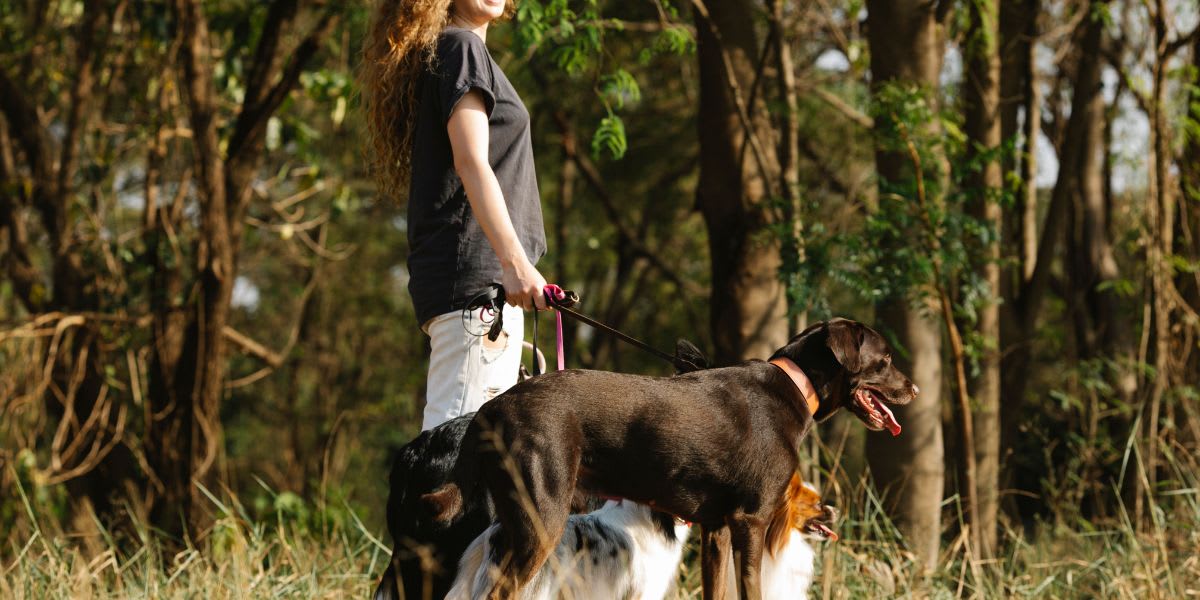
During tests, dogs in all locations frequently looked to their owners for guidance when facing unfamiliar situations. They understood human pointing gestures and worked cooperatively with their people, whether they were hunting in the mountains of Peru or the islands of Vanuatu.
Why This Inspires
This research reveals something beautiful about our relationship with dogs. For at least 15,000 years, since humans first domesticated wolves during the Ice Age, we've built partnerships with these animals that go deeper than training or utility.
Even when dogs serve primarily as working animals, their owners treasure them. The hunters in Madagascar whose dogs sleep outside value their companions just as much as German owners whose dogs curl up inside at night.
The bond adapts to different lifestyles but remains fundamentally the same: mutual trust, communication, and loyalty. Whether your dog helps you hunt for survival or just keeps you company on the couch, that connection is real and universal.
Minor differences did emerge. German hunting dogs responded faster when called and were better at avoiding forbidden food, likely because German law requires hunting dogs to pass exams. Emotional bonding varied slightly, with German owners more confident their dogs could sense sadness or fear.
But these small variations pale next to the overwhelming similarities. Across continents and cultures, dogs look to us for guidance, we rely on them for companionship and protection, and both species are genuinely better off together.
The partnership between humans and dogs isn't just a Western phenomenon or a modern luxury, it's a global relationship that has thrived across thousands of years and countless ways of life.
More Images


Based on reporting by Upworthy
This story was written by BrightWire based on verified news reports.
Spread the positivity!
Share this good news with someone who needs it