Dogs Were Our Best Friends 16,000 Years Ago
Scientists discovered the oldest dog DNA ever found in Turkey, revealing our bond with dogs began 5,000 years earlier than we thought. Puppies buried near human graves show just how deep this ancient friendship ran.
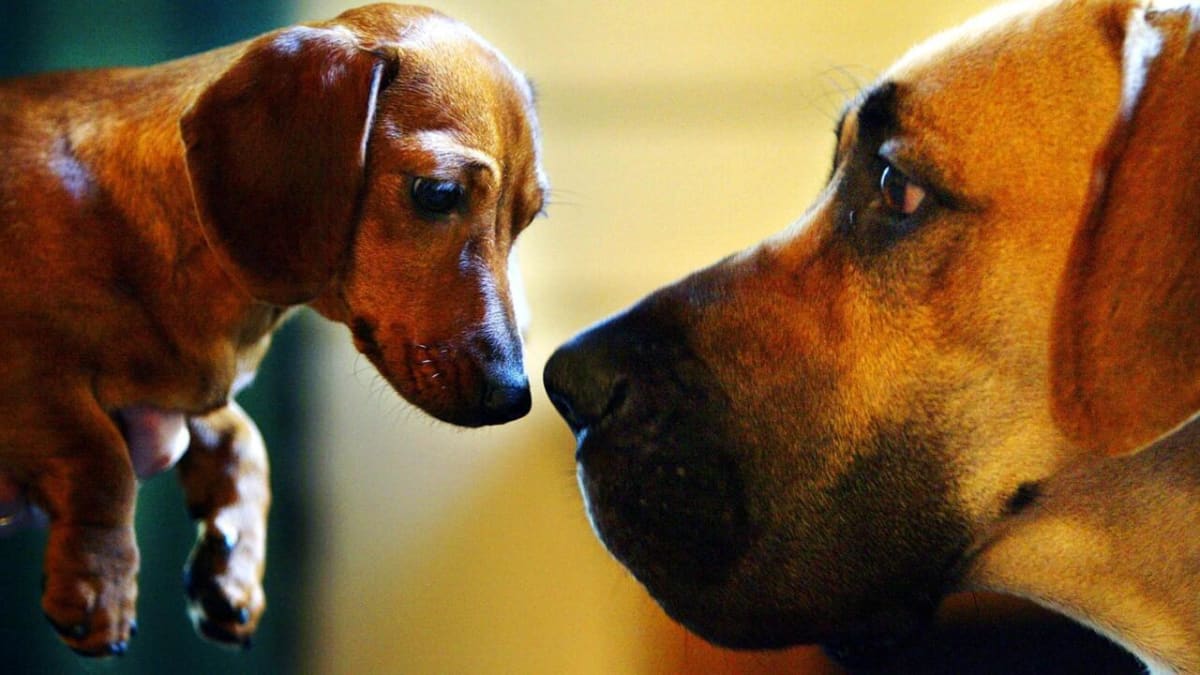
Your dog might be more than man's best friend. New research proves they've held that title for nearly 16,000 years.
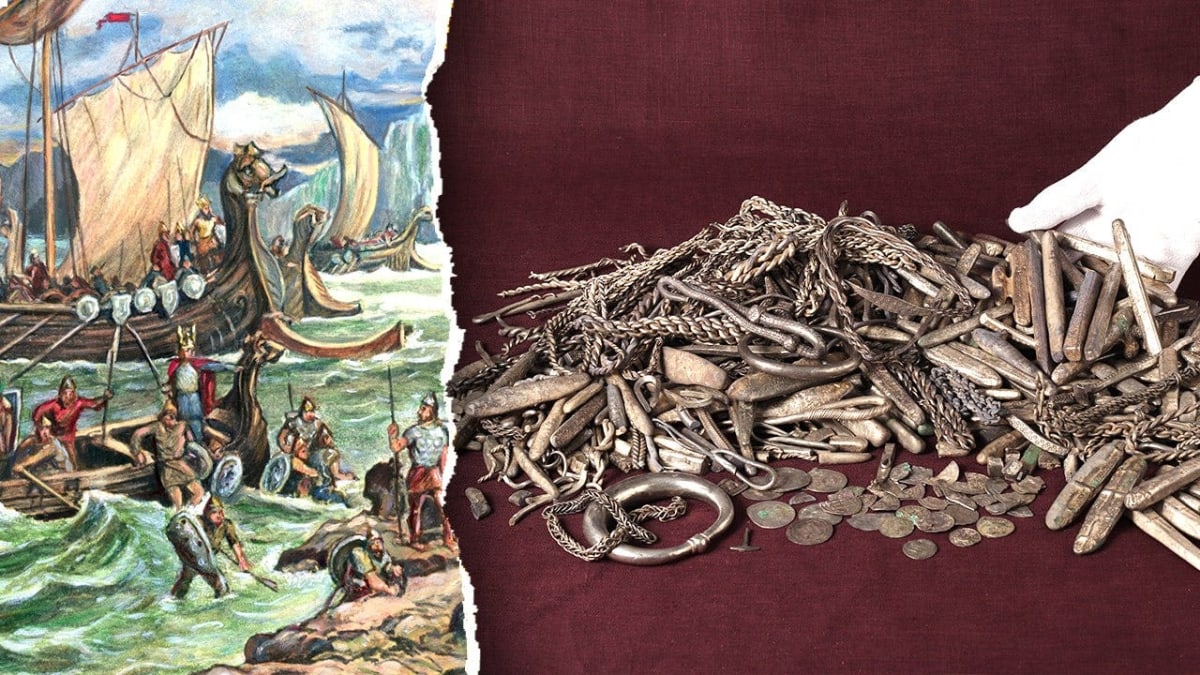
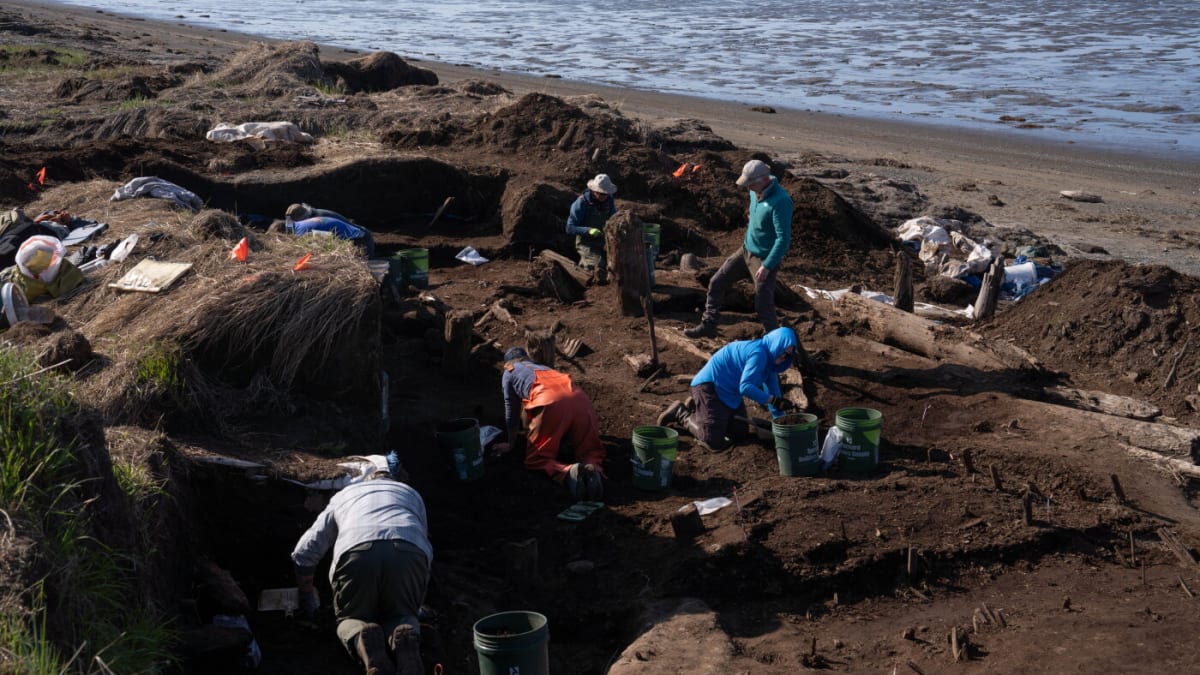
Scientists uncovered the world's oldest canine DNA in a piece of skull found in Pinarbasi, Turkey. The female puppy, just a few months old when she died, looked like a small wolf and lived around 15,800 years ago during the last Ice Age.
This discovery pushes back the timeline of dog domestication by 5,000 years. The previous record holder was DNA from 10,900 years ago, making this find a game changer for understanding our relationship with dogs.
Swedish geneticist Pontus Skoglund from the UK's Francis Crick Institute led one of two studies published in the journal Nature. His team also found 14,300-year-old dog DNA in southwest England, showing how quickly early dogs spread across Europe alongside humans.
Despite dogs living in homes and hearts worldwide, scientists have struggled to trace their origins. Ancient dog and wolf bones look remarkably similar, making it hard to tell them apart.
The research suggests dogs evolved from a mix of two types of grey wolves. However, pinpointing exactly when they diverged from their wild ancestors remains tricky.
What role did these Ice Age dogs play? Researcher Laurent Frantz from Ludwig Maximilian University of Munich thinks they were too expensive to feed without serving a purpose. They likely helped with hunting or protection.
But the relationship went beyond utility. Puppies were found buried above human graves in Pinarbasi, suggesting a deep emotional bond. "Kids will still have played with puppies," Frantz noted.
A second study compared genomes from 216 dog and wolf remains across Europe. Researchers discovered something surprising about the Neolithic agricultural revolution 10,000 years ago.
When farmers from southwest Asia migrated to Europe, they mixed genetically with local hunter-gatherers. But their dogs didn't mix the same way. The farmers adopted dogs that were already living with European hunter-gatherers instead.
This means domestication happened much earlier than that migration. There's still a "genetic abyss between dogs and wolves," Skoglund said, adding that "the search for the missing link continues."
Why This Inspires
This research reminds us that some bonds transcend time. For 16,000 years, through ice ages and agricultural revolutions, across continents and cultures, dogs have chosen to stay by our side. Those ancient puppies playing with children and resting near their human families aren't so different from the furry friends sleeping on our couches today. The love was real then, and it's real now.
The next time your dog looks up at you with those knowing eyes, remember you're part of humanity's longest friendship.
More Images
Based on reporting by France 24 English
This story was written by BrightWire based on verified news reports.
Spread the positivity!
Share this good news with someone who needs it