$100M Fund Helps Tribes Control Their Clean Energy Future
A new fund aims to solve a painful irony: tribes sitting on energy-rich land but lacking money to develop projects that benefit their own communities. Former federal energy director Wahleah Johns is raising $100 million to change that.
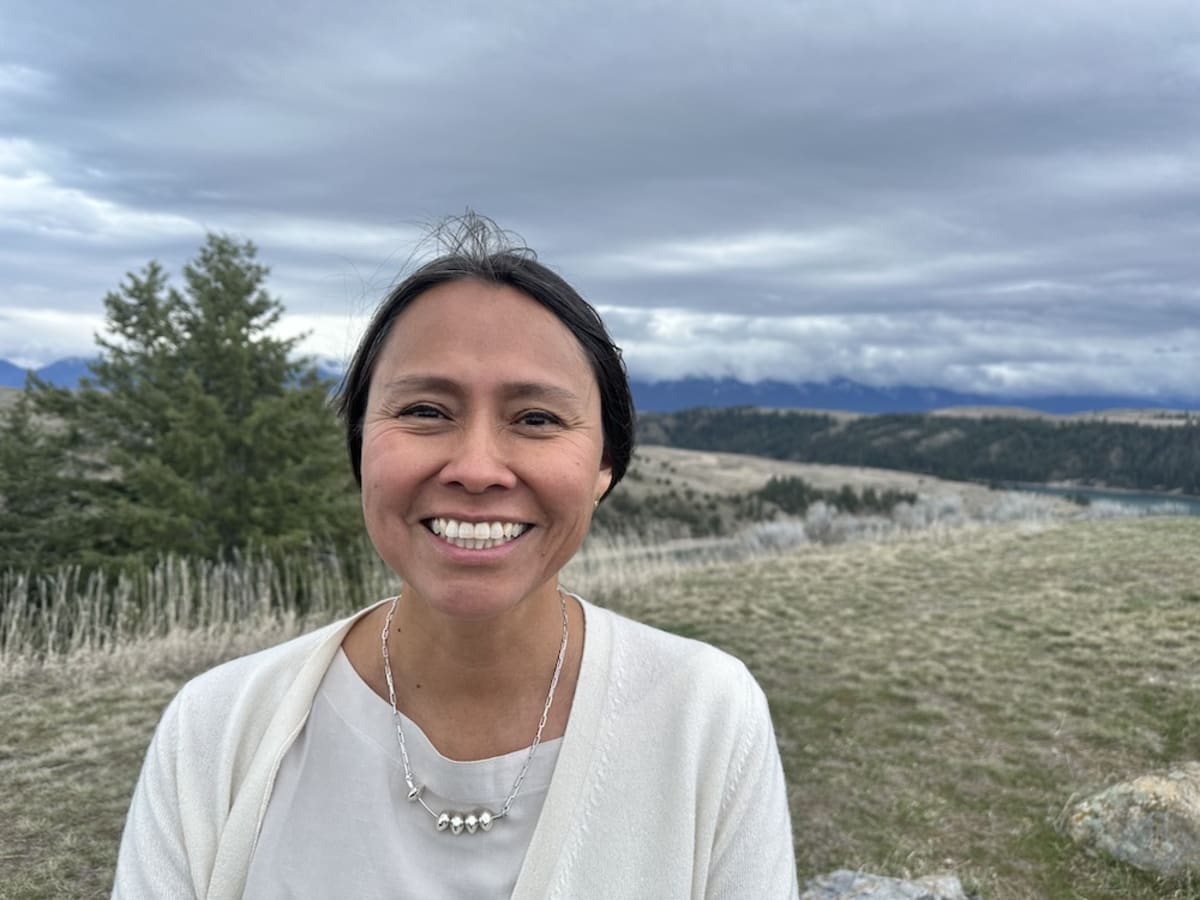
Wahleah Johns grew up watching coal from a massive Arizona mine power the western United States while Navajo families just miles away carried water to homes without electricity. That contradiction shaped everything she'd do next.
Now Johns is launching the Four Directions Energy Fund, targeting $100 million to help tribes develop their own clean energy projects. It's the first global Indigenous fund focused on solving a problem that's kept tribes on the sidelines of the energy economy for generations.
The challenge is simple but frustrating. Tribes need money upfront for feasibility studies, environmental reviews, and grid connections before they can attract investors. But investors won't commit until projects are shovel-ready. It's a catch-22 that's left tribal lands with less than 2,300 megawatts of renewable energy despite enormous potential.
"I've always seen tribal communities facing major energy economies without getting to participate in them," Johns said. Her experience as director of the U.S. Department of Energy's Office of Indian Energy Policy and Programs showed her exactly where the system breaks down.
The predevelopment gap hits hard. Getting into the interconnection queue alone can cost millions, money most tribes don't have readily available. Without that early funding, promising projects stall before they start, and outside developers swoop in with proposals designed for their benefit, not the community's.
Johns wants to flip that dynamic. The fund will support tribes in designing their own projects from the ground up, positioning them to negotiate better royalties and equity stakes. Instead of reacting defensively to outside proposals, tribes can be proactive about how they want to participate in the energy economy.
The Ripple Effect
This approach could transform how Indigenous communities worldwide relate to their land and resources. The fund plans to support not just U.S. tribes but Indigenous peoples globally who share that unique connection to their ancestral territories.
When tribes control the development process, they can ensure projects align with their values and directly benefit their people. They can turn land into economic opportunity on their own terms, generating long-term revenue rather than watching resources extracted by outsiders.
The fund is in early stages, still sketching out structure and talking with investors. But the vision is clear: tribes in the driver's seat, designing energy futures that honor both their land and their people.
Johns believes this shift from defensive to proactive changes everything. "It's about creating space for tribes to decide what type of projects they want in their communities and putting them in a position of power."
For someone who grew up watching her community's resources benefit everyone but themselves, that's the definition of progress.
Based on reporting by Google News - Clean Energy
This story was written by BrightWire based on verified news reports.
Spread the positivity!
Share this good news with someone who needs it