$156 Vouchers Drop Diabetes Levels in Low-Income Patients
A Jerusalem study shows giving low-income diabetes patients medication vouchers tied to health improvements works as well as adding new drugs. The simple fix helped patients better afford the treatments they already needed.
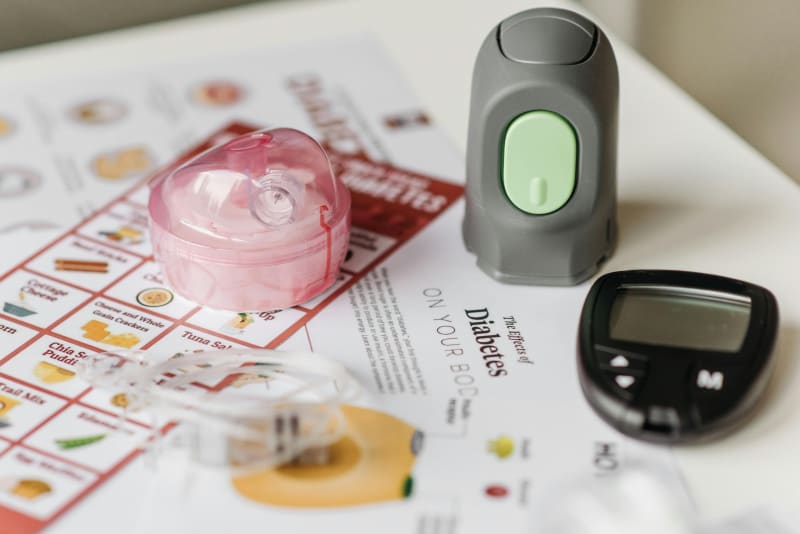
For thousands of people living with type 2 diabetes, the math is brutal: skip medication to pay rent, or stay healthy but fall behind on bills.
A groundbreaking study from Hebrew University of Jerusalem found a surprisingly simple solution. Researchers gave 93 low-income patients with uncontrolled diabetes vouchers worth about $156 to cover medication costs, but only if they improved their blood sugar levels.
The results stunned even the medical team. After six months, patients with vouchers saw their HbA1c levels (a key measure of blood sugar control) drop by 1.4%, compared to just 0.7% in patients paying regular copays.
That 0.7% difference might sound small, but it's clinically massive. The improvement matched what doctors typically see when adding an entirely new class of medication to a patient's treatment plan.
The best part? Patients weren't taking more drugs or expensive treatments. They were simply able to afford the medications they'd already been prescribed but couldn't consistently buy.
The study involved 186 patients in lower-income Jerusalem neighborhoods where one in five people admit to skipping diabetes medication due to cost. Despite effective treatments existing, 27% of diabetes patients in Israel fail to reach healthy blood sugar targets, with the gap widest among those struggling financially.
Dr. Ayelet Prigozin-Mozenzon, who worked on the study, explained the deeper meaning. "Equality also means equality of opportunity," she said. "When an incentive is adapted to a patient's real need, it functions as more than just a financial boost."
The Ripple Effect
The implications extend far beyond 186 patients in Jerusalem. This model offers healthcare systems worldwide a practical tool to close persistent health disparities without inventing new drugs or technologies.
Prof. Amnon Lahad, who led the research team, emphasized that financial incentives should complement quality medical care, not replace it. The vouchers weren't handouts but structured support tied directly to health outcomes, making patients active partners in their care.
The research team notes the incentive didn't need to be huge to work. Covering one or two medications monthly made the benefit both tangible and achievable, proving that smart, targeted support can match the power of pharmacology.
Health providers now have peer-reviewed evidence that relieving financial barriers, when done strategically, delivers real clinical results. For the millions managing chronic conditions on tight budgets, this Jerusalem study lights a path forward where staying healthy doesn't mean choosing between medicine and making ends meet.
More Images


Based on reporting by Medical Xpress
This story was written by BrightWire based on verified news reports.
Spread the positivity!
Share this good news with someone who needs it