$200M Phoenix Species Project Aims to Save 100 Rare Species
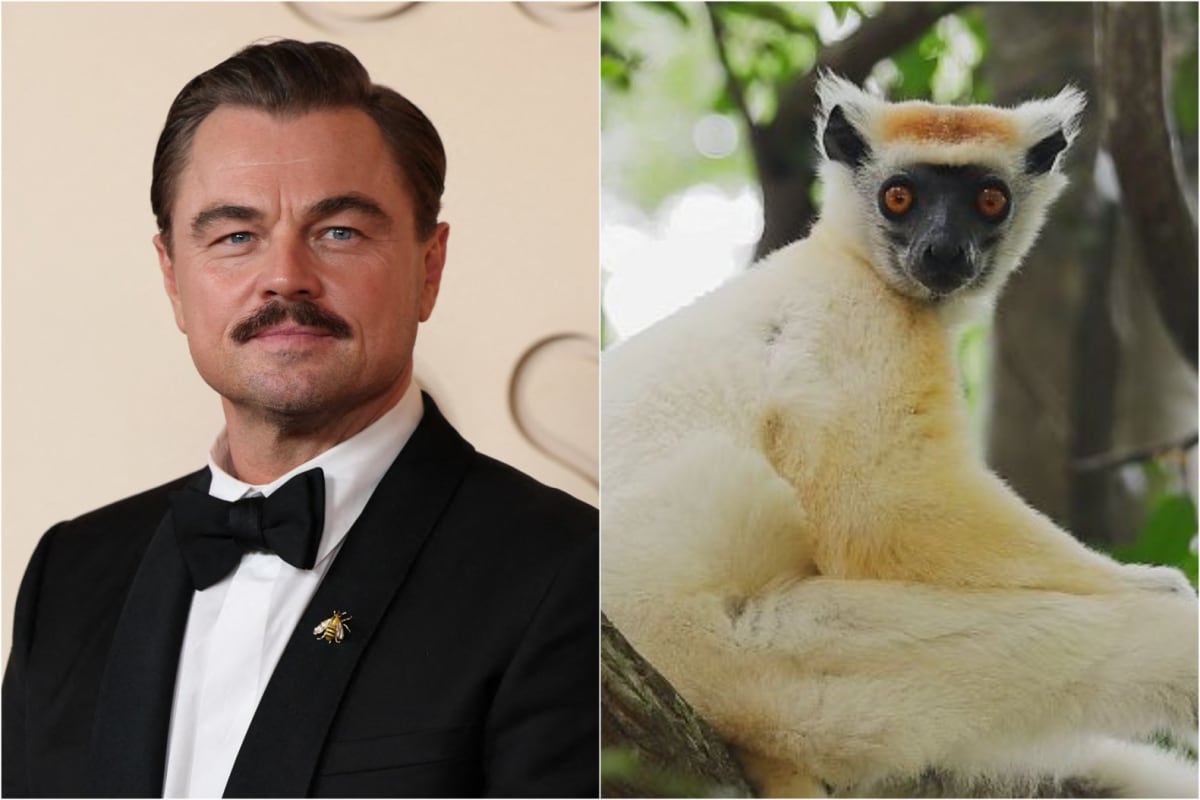
Leonardo DiCaprio's Re:wild and the Bezos Earth Fund just launched a $200 million initiative to save 100 species from extinction. It's the largest single conservation effort ever dedicated exclusively to recovering critically endangered animals and plants.
A groundbreaking $200 million conservation project could rewrite the future for 100 species teetering on the edge of extinction.
Leonardo DiCaprio's Re:wild and the Bezos Earth Fund announced the Phoenix Species Project this week, bringing together Indigenous communities, scientists, and conservationists to protect Earth's most vulnerable creatures. The funding makes it the largest single philanthropic effort ever focused solely on bringing critically endangered species back from the brink.
The $200 million comes from two equal sources: $100 million from the Bezos Earth Fund and $100 million from Re:wild, supported by DiCaprio, Age of Union, and the Todd Graves Family Foundation. Unlike short-term conservation grants, this money will fund multi-year recovery efforts that give species real time to rebuild their populations.
"Species on the brink of extinction are often the ones that anchor some of the world's most important ecosystems," DiCaprio explained in a statement. When we protect these animals and plants, we also protect the forests, wetlands, grasslands, and oceans they call home.
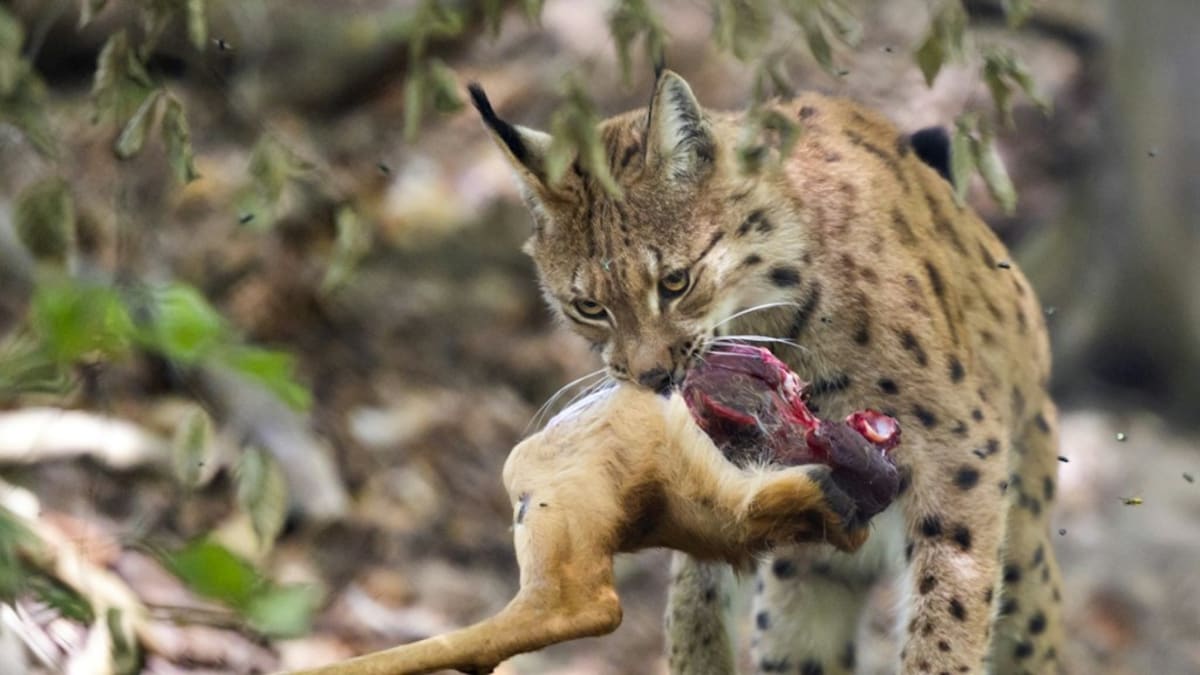
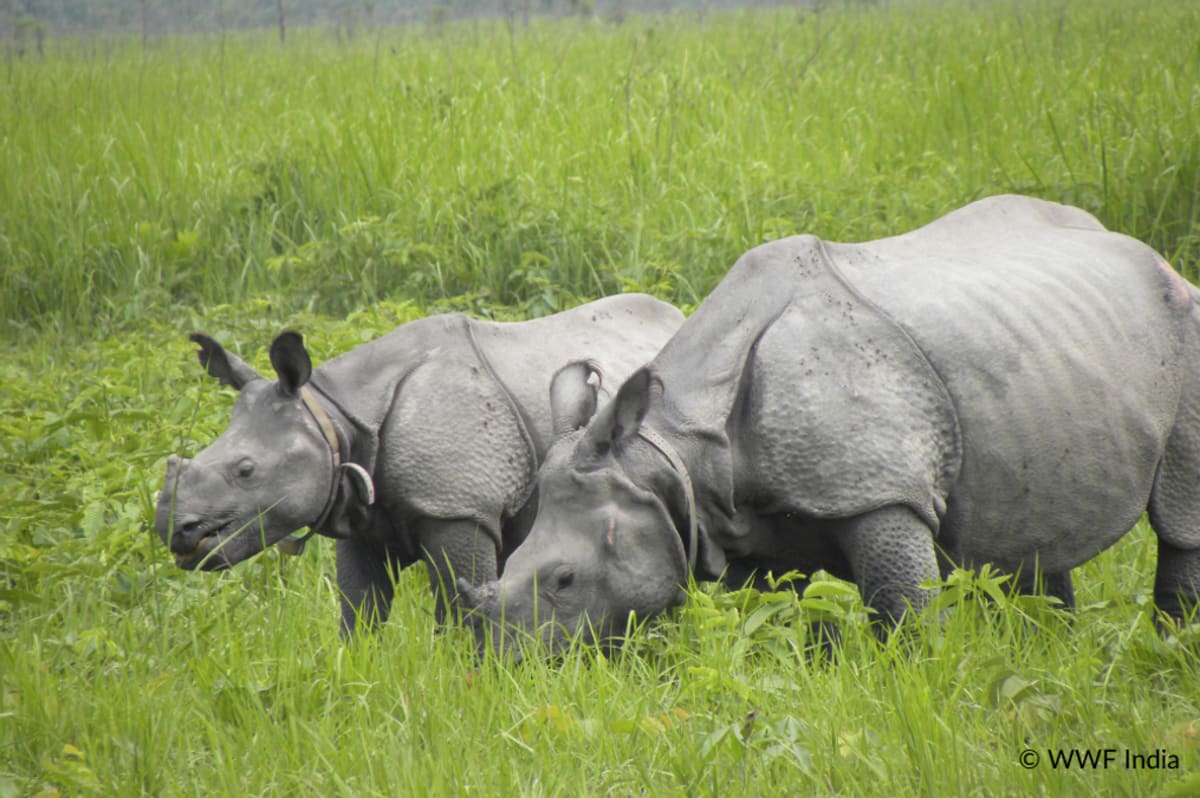
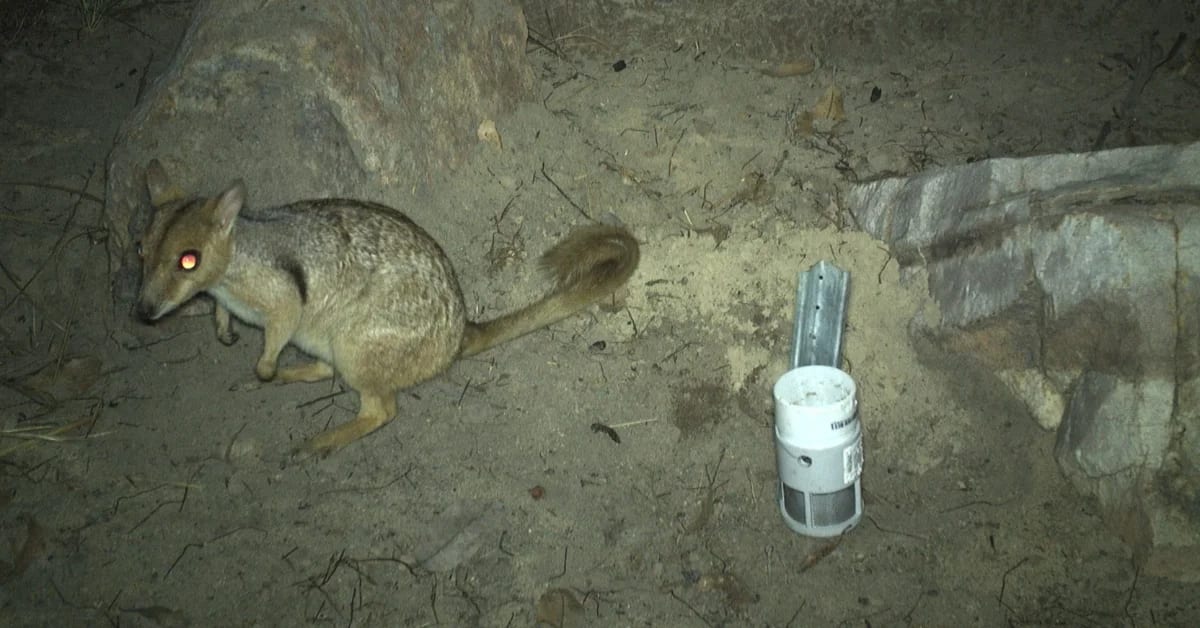
The Phoenix 100 list spans an impressive range of life across 30 countries. Mammals, amphibians, reptiles, birds, fish, invertebrates, and plants living everywhere from tropical rainforests to volcanic plains will receive targeted support.
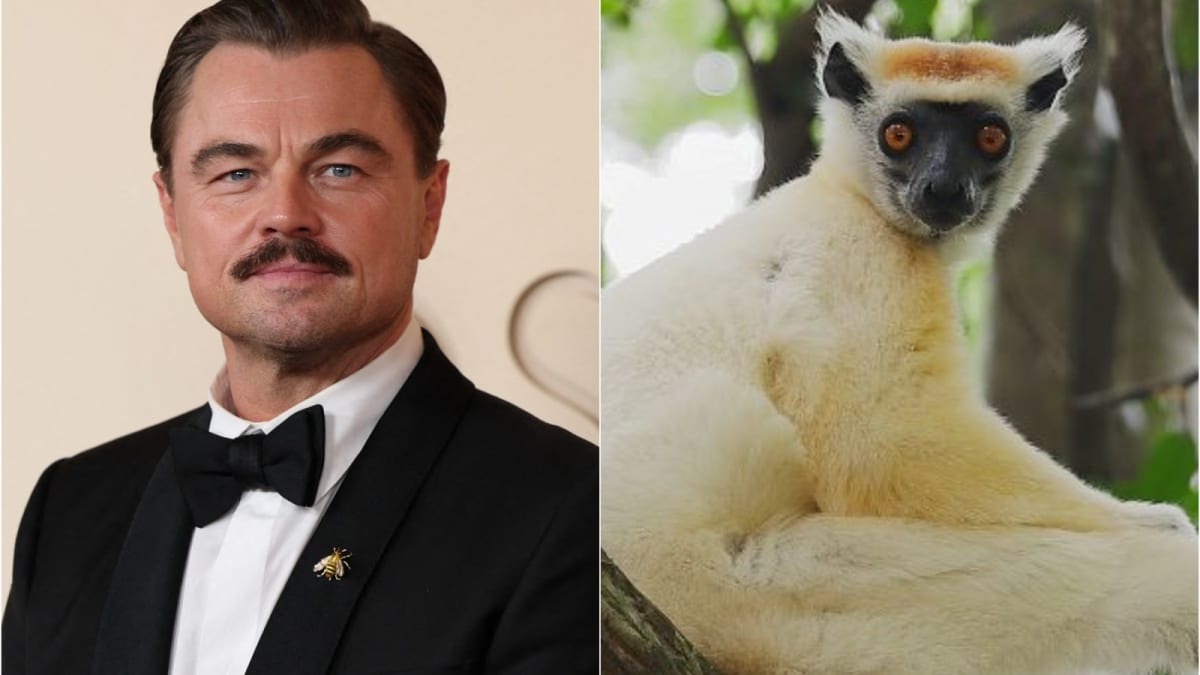
One early success story comes from Madagascar's northern forests. Association Fanamby has been protecting the golden-crowned sifaka for years on a shoestring budget. Now, with Phoenix Species Project funding, executive director Tiana Andriamanana sees a new chapter opening.
"We are no longer only holding the line against extinction; we can begin to bring the gold of Madagascar's northern forests back," Andriamanana said. The project will protect drinking water sources, create ecotourism opportunities for local communities, and prove that conservation works best when everyone participates.
The Ripple Effect
Saving these 100 species does more than prevent extinctions. Each recovered species strengthens entire ecosystems that millions of people depend on for clean water, food security, and climate stability. When golden-crowned sifakas thrive in Madagascar, nearby communities gain both environmental and economic benefits through ecotourism and healthier forests.
The project will track progress transparently, posting population recovery updates and threat reduction measurements on its website and social media. Todd Graves of the Graves Family Foundation calls it an investment in future generations.
The best part? These species were never truly lost—just waiting for the support they deserved to make their comeback.
More Images
Based on reporting by Google News - Endangered Species Recovery
This story was written by BrightWire based on verified news reports.
Spread the positivity!
Share this good news with someone who needs it