$220M Emergency Fund Fights Ebola in Central Africa
A global pandemic fund just unlocked $220 million to help 12 African nations fight a dangerous Ebola outbreak and build stronger health systems for the future. The rapid response shows how international cooperation can save lives when disease threatens to spread across borders.
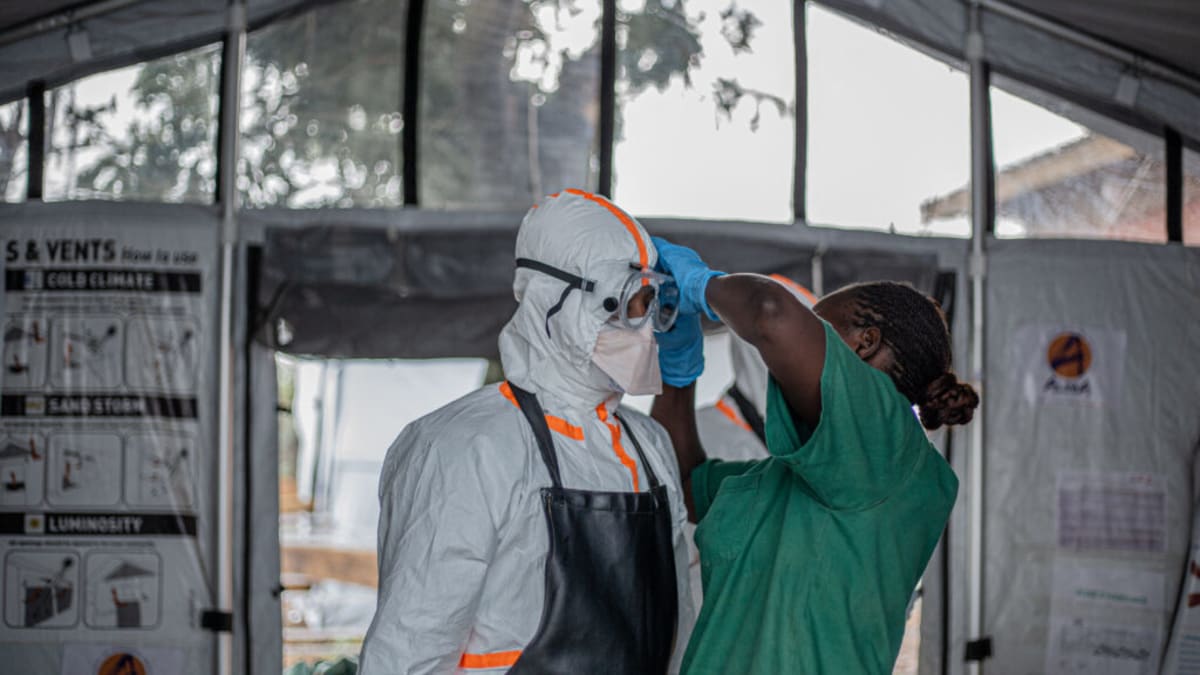
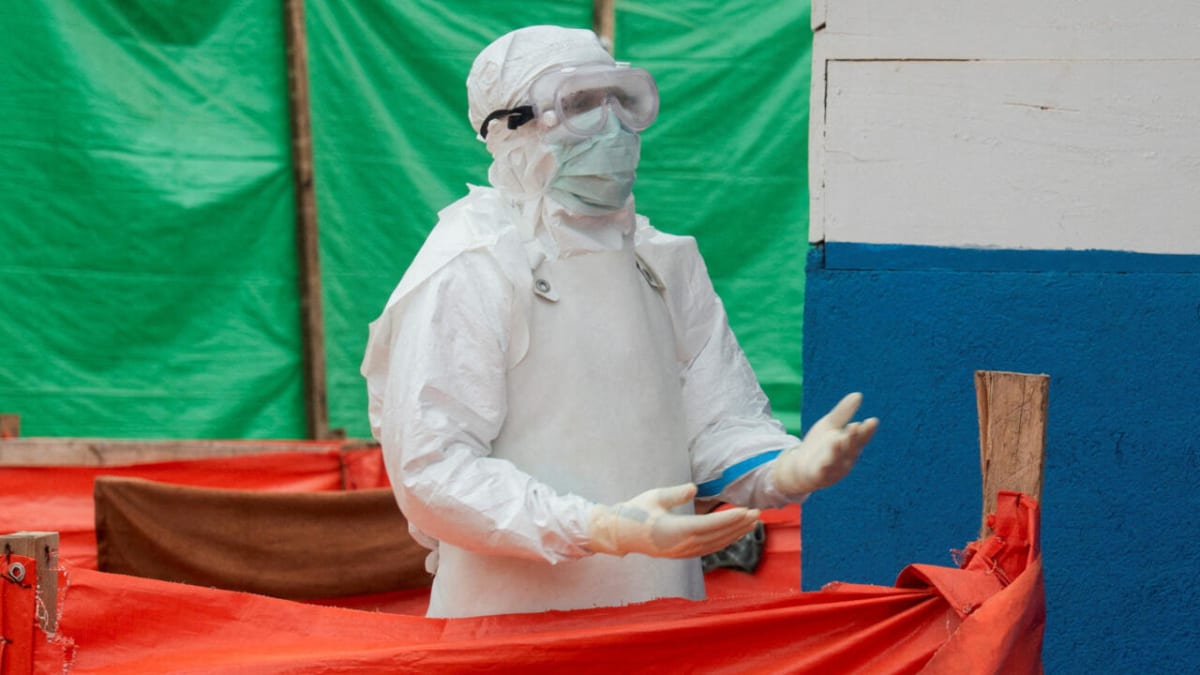
When a dangerous Ebola outbreak began spreading across Central and Eastern Africa, the world's new Pandemic Fund jumped into action with $220 million in emergency support for 12 countries.
The Pandemic Fund's Governing Board approved the massive aid package after the World Health Organization declared the outbreak a global health emergency on May 17, 2026. This particular strain, called the Bundibugyo virus, is especially challenging because doctors currently have no vaccine, treatment, or reliable rapid test for it.
The disease has already crossed multiple borders, affecting countries including Democratic Republic of Congo, South Sudan, Rwanda, Burundi, Tanzania, Zambia, Angola, Kenya, Ethiopia, Uganda, Central African Republic, and Republic of Congo. The fund is redirecting money from existing projects and fast-tracking new ones to get help where it's needed most.
The emergency funding will strengthen disease surveillance systems, improve laboratory testing capabilities, and boost health workforce capacity across the region. Countries themselves are leading the charge, deciding exactly how to use the resources based on their specific needs and gaps.
About $175.7 million comes from accelerating funds already approved for pandemic preparedness projects in nine affected countries. Another $44.9 million will flow through expedited approval processes to support three additional nations on the frontlines.
The Ripple Effect
This emergency response does double duty. While fighting the immediate outbreak and saving lives today, the investment also builds lasting pandemic defense systems that will protect communities for years to come.
The Pandemic Fund is coordinating closely with national governments, health organizations like WHO and Africa CDC, and civil society groups to ensure resources reach the people who need them most. The approach follows a unified strategy: one plan, one budget, one team working together to stop transmission and prevent wider spread.
The funding prioritizes populations at greatest risk while strengthening the ability of national and regional health systems to detect, contain, and respond to future threats. This means better trained healthcare workers, improved lab equipment, and stronger communication networks that span borders.
International health leaders emphasized that early, coordinated action makes all the difference in containing outbreaks before they become catastrophic. The speed of this $220 million response demonstrates how far global health cooperation has evolved since past health crises.
As the situation continues to develop, the Pandemic Fund stands ready to adjust support based on emerging needs. The emergency response proves that when nations work together and act quickly, they can protect millions of people from deadly diseases while building a healthier, more resilient future for entire regions.
More Images


Based on reporting by AllAfrica - Health
This story was written by BrightWire based on verified news reports.
Spread the positivity!
Share this good news with someone who needs it