$300M Project Aims to Save Great Barrier Reef
Scientists and Indigenous communities are teaming up for the world's largest reef rescue mission. The Great Barrier Reef Restoration and Adaptation Program is using cutting-edge science to help this natural wonder survive climate change.
Under a cloudy December sky, marine scientist Peter Harrison leaned over his boat and sniffed the dark water. He was hunting for something extraordinary: millions of coral eggs floating to the surface during the Great Barrier Reef's massive annual spawning event.
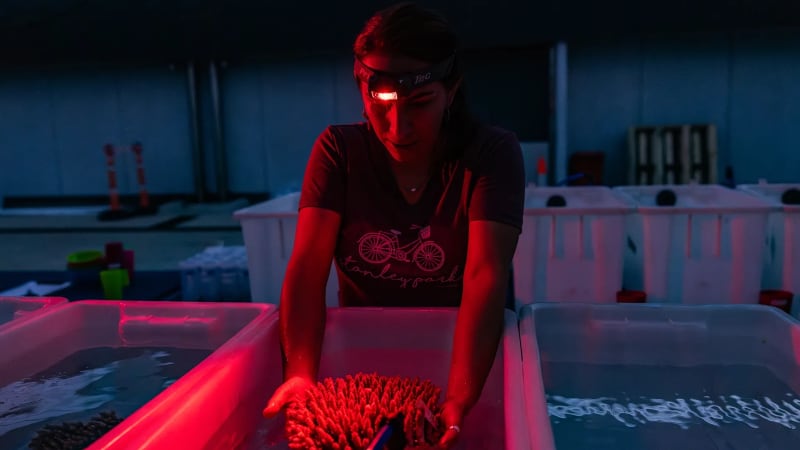
Harrison and his team were collecting hundreds of thousands of coral eggs as part of an ambitious rescue mission. The Reef Restoration and Adaptation Program, backed by nearly $300 million, is the largest effort ever mounted to save a coral reef from climate change.
The Great Barrier Reef covers 133,000 square miles and includes 3,000 individual reefs. It's home to more than 1,600 fish species and generates $5.3 billion annually in tourism revenue for Australia.
Every summer after the full moon, corals across the reef release pearly bundles of eggs and sperm in what scientists call the largest reproductive event on Earth. The spawn floats to the surface, where eggs meet sperm from different corals to create larvae that settle back onto the reef.
Scientists use modified pool nets to skim the spawn from the water's surface. These precious eggs are part of a larger strategy involving robots, massive research aquariums, and hundreds of world-renowned scientists working to protect this World Heritage site.
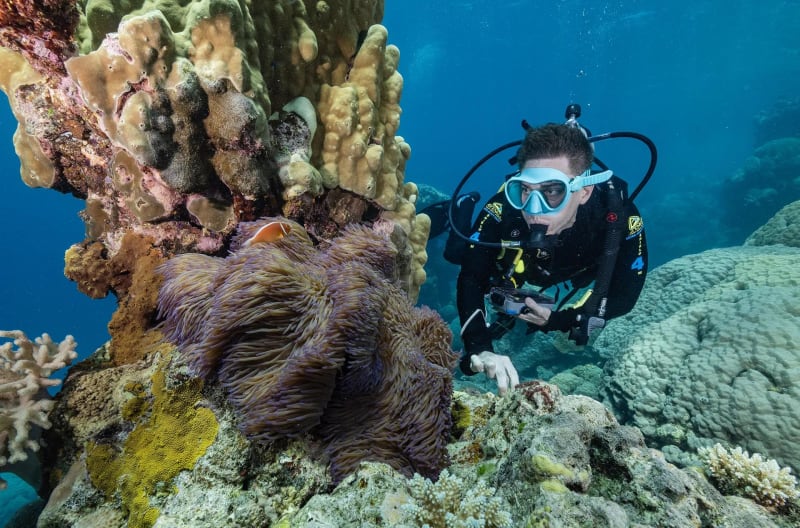
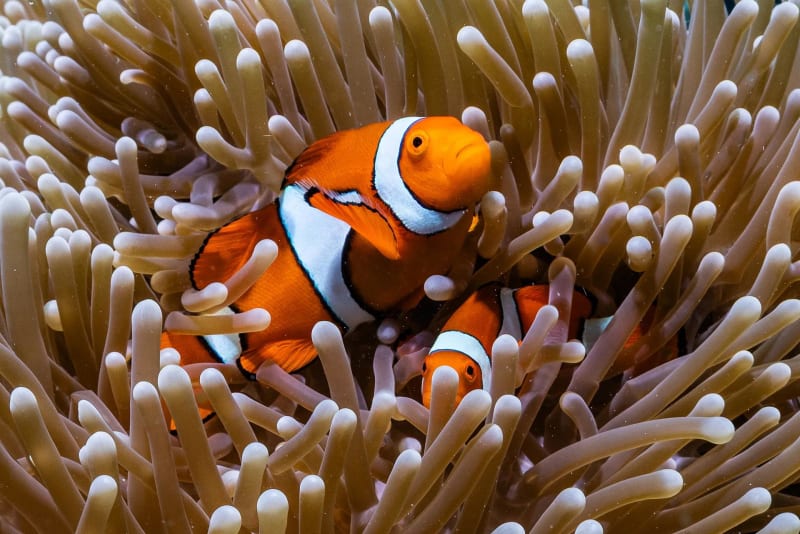
The reef remains spectacular despite rising threats. Divers still see vibrant blue staghorn corals and colorful fish darting through massive colonies. Some coral structures rise higher than a person, forming an alien cityscape beneath the waves.
The Ripple Effect
Indigenous Australians like Cindel Keyes of the Gunggandji peoples are essential partners in the restoration work. These communities have relied on the reef for thousands of years and bring invaluable traditional knowledge to the scientific effort.
The reef supports a $200 million commercial fishing industry and provides food for coastal communities. Protecting it means safeguarding livelihoods, cultural heritage, and one of Earth's most biodiverse ecosystems.
The restoration program combines traditional practices with cutting-edge technology to give corals a fighting chance. Teams are working to breed heat-resistant corals and develop new ways to speed up reef recovery.
This massive collaboration proves that humans can choose to fight for nature's most precious places, bringing together science, culture, and determination to protect a wonder of the natural world.
More Images


Based on reporting by Grist
This story was written by BrightWire based on verified news reports.
Spread the positivity!
Share this good news with someone who needs it