$6B Startup Uses Old EV Batteries to Power Data Centers
A Nevada data center now runs on solar power and recycled electric vehicle batteries instead of straining the electric grid. The innovation could solve America's growing energy crisis as AI and data centers push electricity demand to record highs.
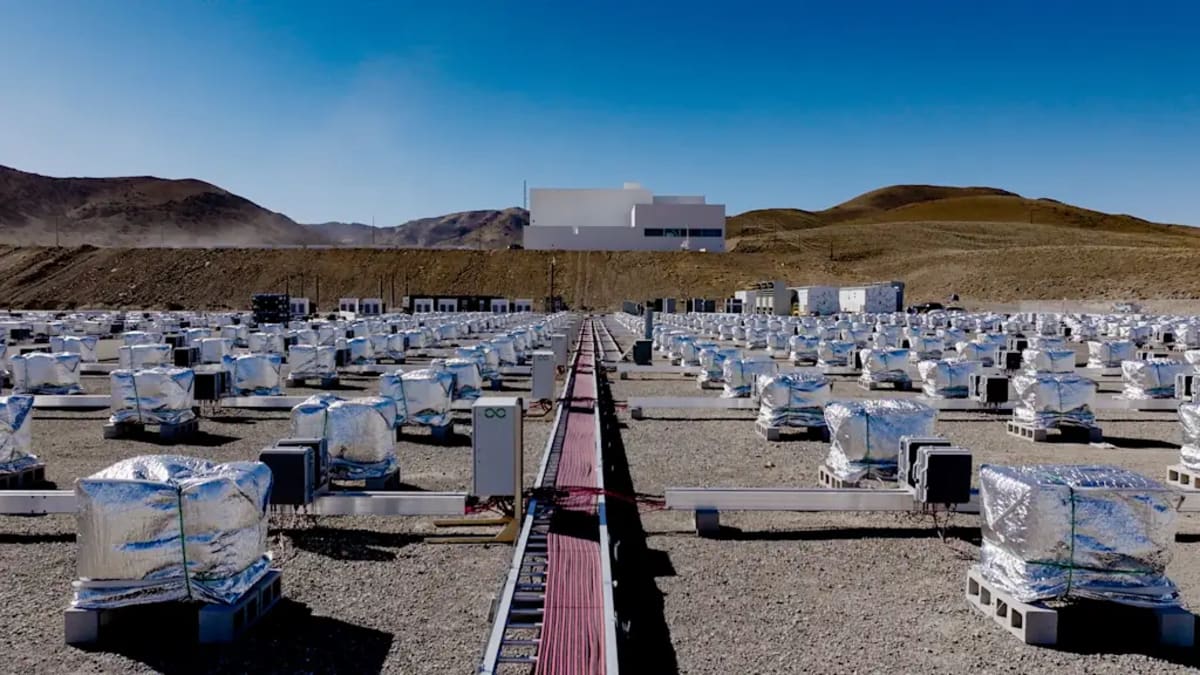
In the hills near Reno, Nevada, a data center is running without breaking the electric grid or raising anyone's power bill.
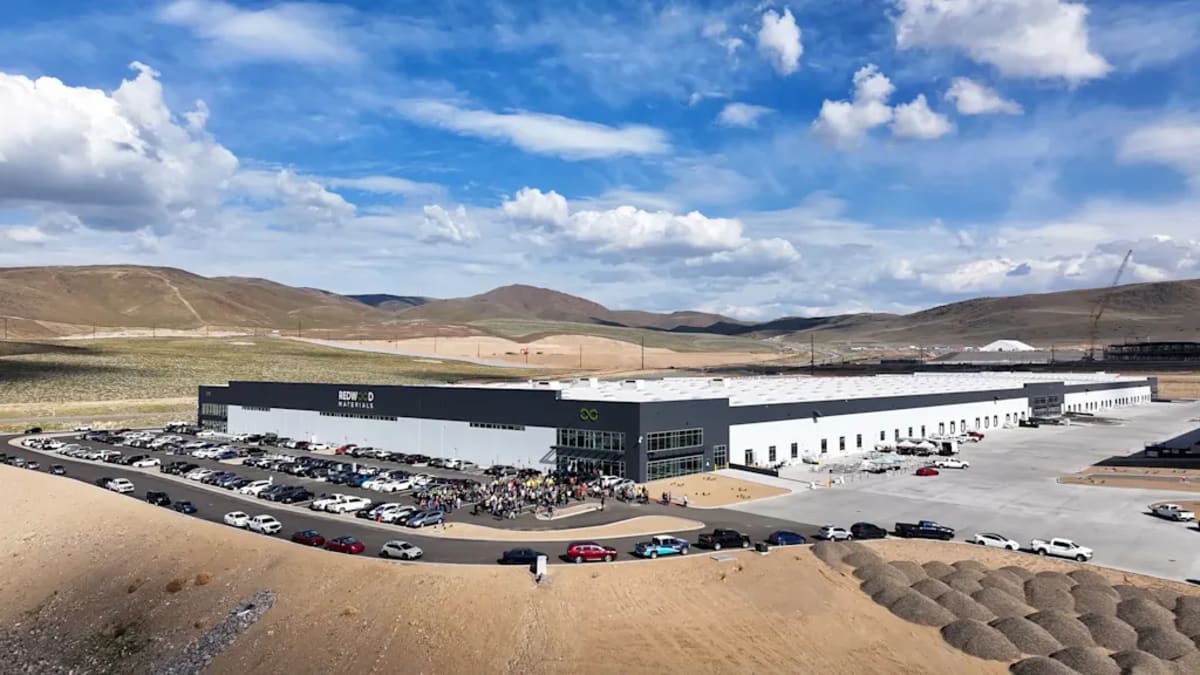
The secret? Hundreds of second-life batteries pulled from electric vehicles, paired with solar panels to create a self-sustaining power system. It's the work of Redwood Materials, a $6 billion startup founded by JB Straubel, the former Tesla CTO who helped build the company's first electric cars.
The timing couldn't be better. Last year, America added enough energy storage capacity to power 15 million homes. California recently hit a milestone when batteries supplied 43% of the state's electricity at one time. By 2027, the U.S. expects battery storage to surge another 50%, driven partly by data centers' massive appetite for power.
Those data centers have become a political flashpoint. Some are planning new gas plants that could emit more pollution than entire countries. Others are overwhelming local grids and driving up electric bills for neighbors.
Straubel saw a different path. Old EV batteries might not have enough juice left for cars, but they still hold tremendous value. Instead of immediately recycling them or letting them go to waste, his team realized they could store grid power at a fraction of the cost of new batteries.
"I have kind of an aversion to waste," Straubel says. "It pains the engineer in me to watch that happen."
The approach solves multiple problems at once. Data center developers can skip long waits with utility companies and comply with White House demands to bring their own power. Utilities get a cheaper way to store renewable energy. Factories can save money by storing electricity when it's cheapest.
Redwood is on pace to deploy storage equivalent to some power plants this year. Next year, they're aiming for gigawatt hours of capacity.
The Ripple Effect
For utilities that once dismissed grid-scale batteries as unworkable, the technology has become essential. Cal Lankton, Redwood's chief commercial officer who previously worked on Tesla's charging infrastructure, watched the transformation firsthand. As solar and wind power expanded and battery costs dropped, skeptical utilities became enthusiastic adopters.
The shift reflects Straubel's career pattern of being early to ideas that later become obvious. In the early 2000s, he pitched investors on electric sports cars with lithium-ion batteries. Most passed. Elon Musk didn't, bringing Straubel into Tesla after leading its Series A in 2004.
When Straubel started Redwood in 2017, investors were similarly doubtful. "You're starting a garbage company?" some asked. They thought EVs were too new to generate enough old batteries worth recycling.
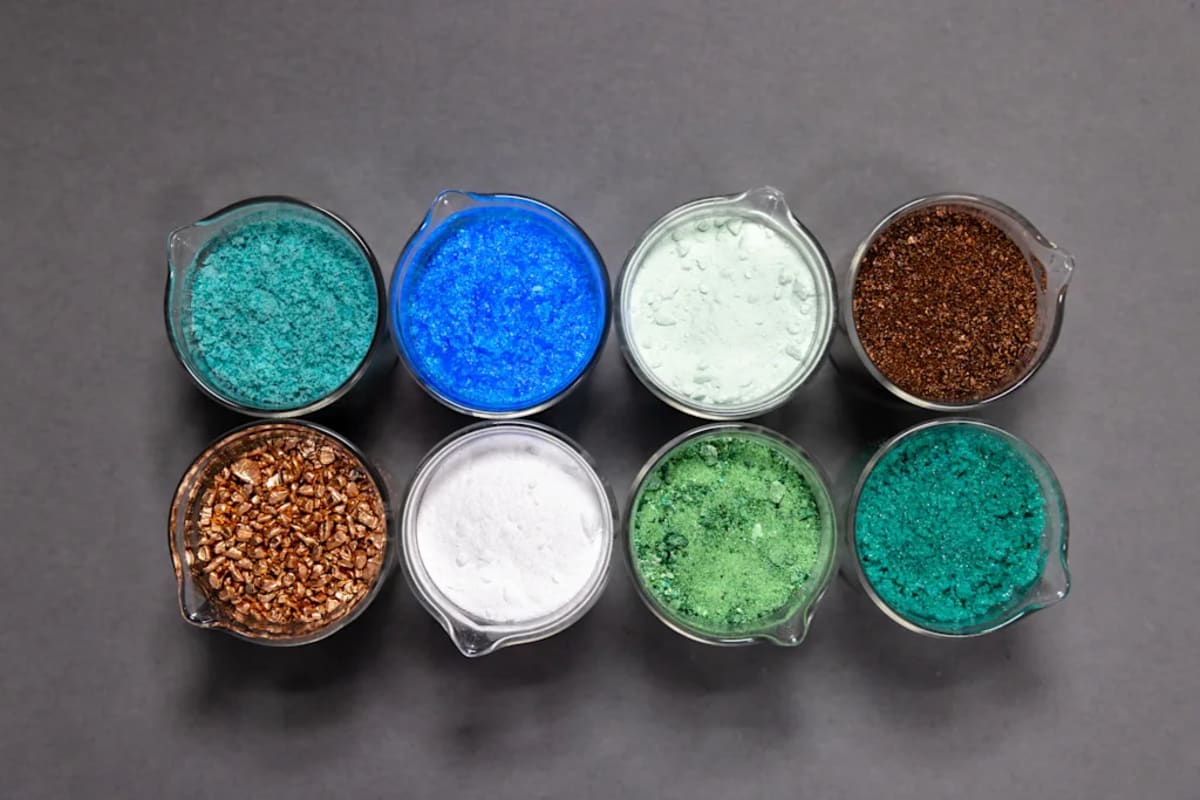
But Straubel had spent years deep in battery technology at Tesla. He knew two things: critical battery materials would become scarce, and a flood of used batteries was coming. Now, as data centers threaten to overwhelm America's grid, those recycled batteries are offering a cleaner path forward.
The grid doesn't have to break under the weight of our digital future.
More Images

Based on reporting by Fast Company - Innovation
This story was written by BrightWire based on verified news reports.
Spread the positivity!
Share this good news with someone who needs it