Dorset Seagrass Meadows Heal 94% in Just Five Years
Underwater scars from boat anchors have nearly vanished in one of the UK's most precious marine habitats, bringing seahorses and rare species back to Dorset's seagrass meadows. The secret? Eco-moorings that protect the seabed while still welcoming boaters.
Beneath the gentle waves of Studland Bay, something remarkable is happening. Bare patches that once scarred the seabed have shrunk by 94% in just five years, transforming a damaged underwater meadow into a thriving haven for seahorses, eels, and crabs.
The turnaround came from a simple but brilliant solution: replacing traditional boat anchors with eco-moorings. These special anchors use a helical screw drilled into the seabed, connected to an elastic riser that stretches with the tide. No more chains dragging across the ocean floor, ripping up precious seagrass.
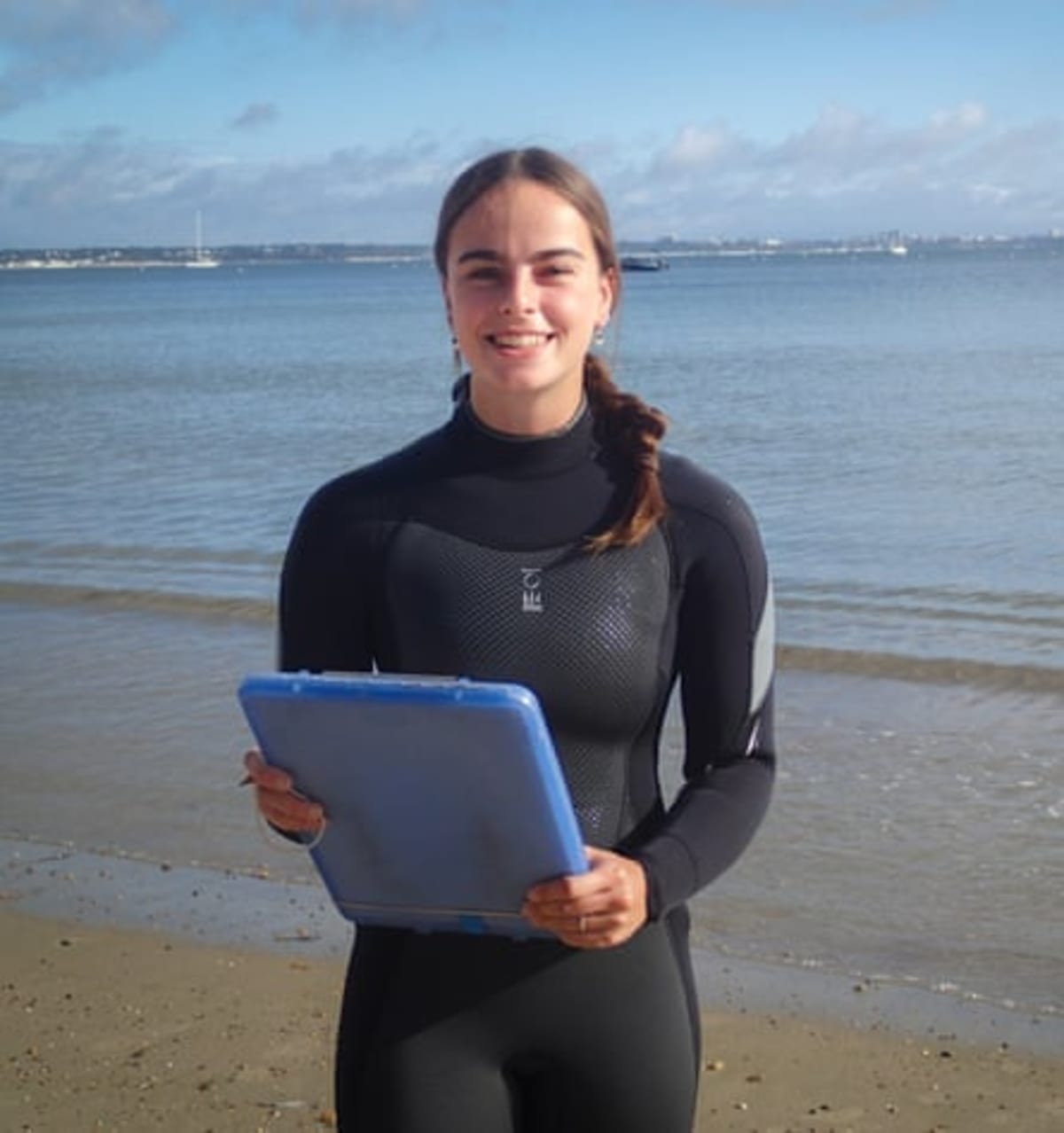
Kira Dunn, a researcher from the University of Southampton, tracked the recovery across different zones. In areas where 10 trial eco-moorings were installed in 2021, the results stunned even optimistic scientists. Even in spots where traditional moorings remained until 2023, scars still shrank by 65%.
The recovery matters for more than just the grass itself. Seagrass meadows rank among the world's most valuable ecosystems, storing carbon and protecting coastlines from erosion. They're disappearing globally due to pollution, coastal development, and climate change.
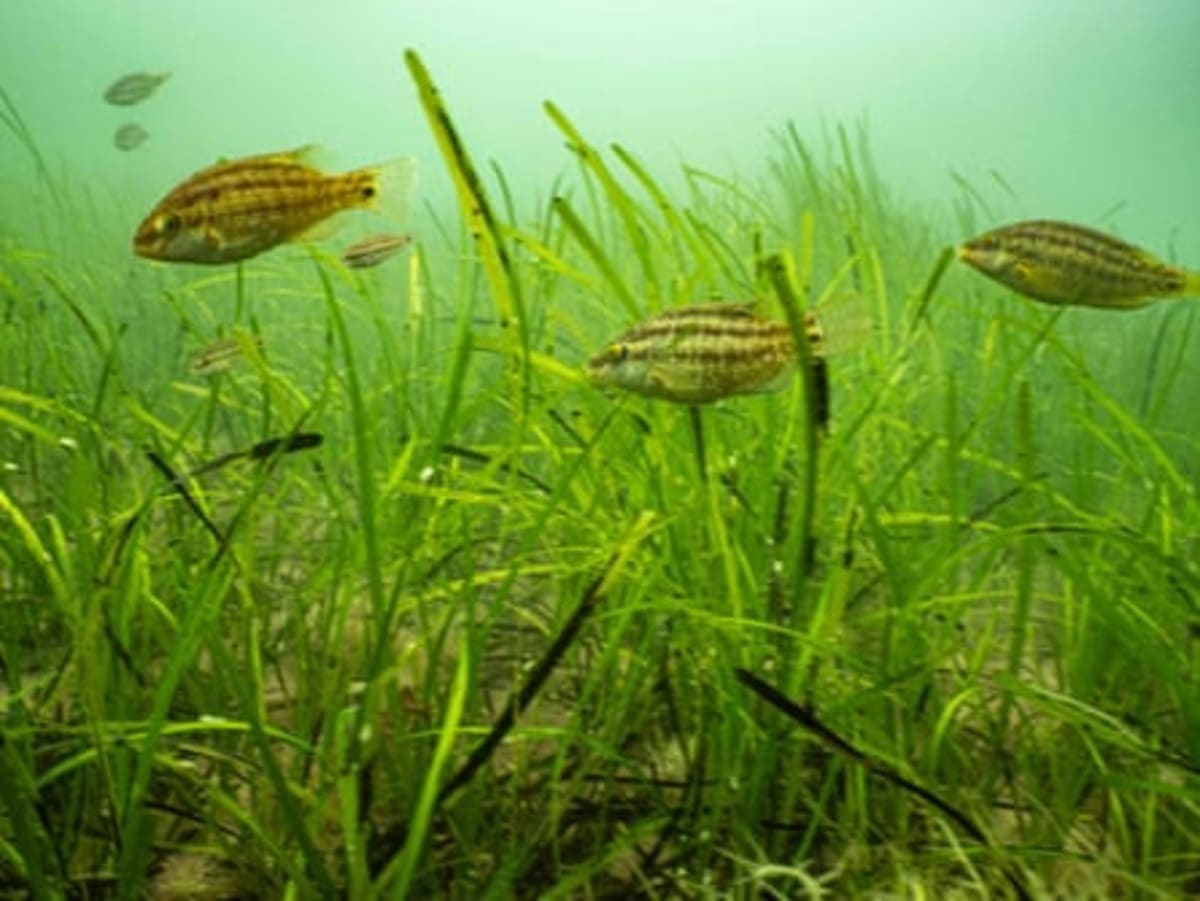
Studland Bay hosts one of the UK's largest seagrass meadows and became a marine conservation zone in 2019. The meadows shelter the protected spiny seahorse and the rare short-snouted seahorse, along with conger eels, spider crabs, and corkwing wrasse.
The Ripple Effect
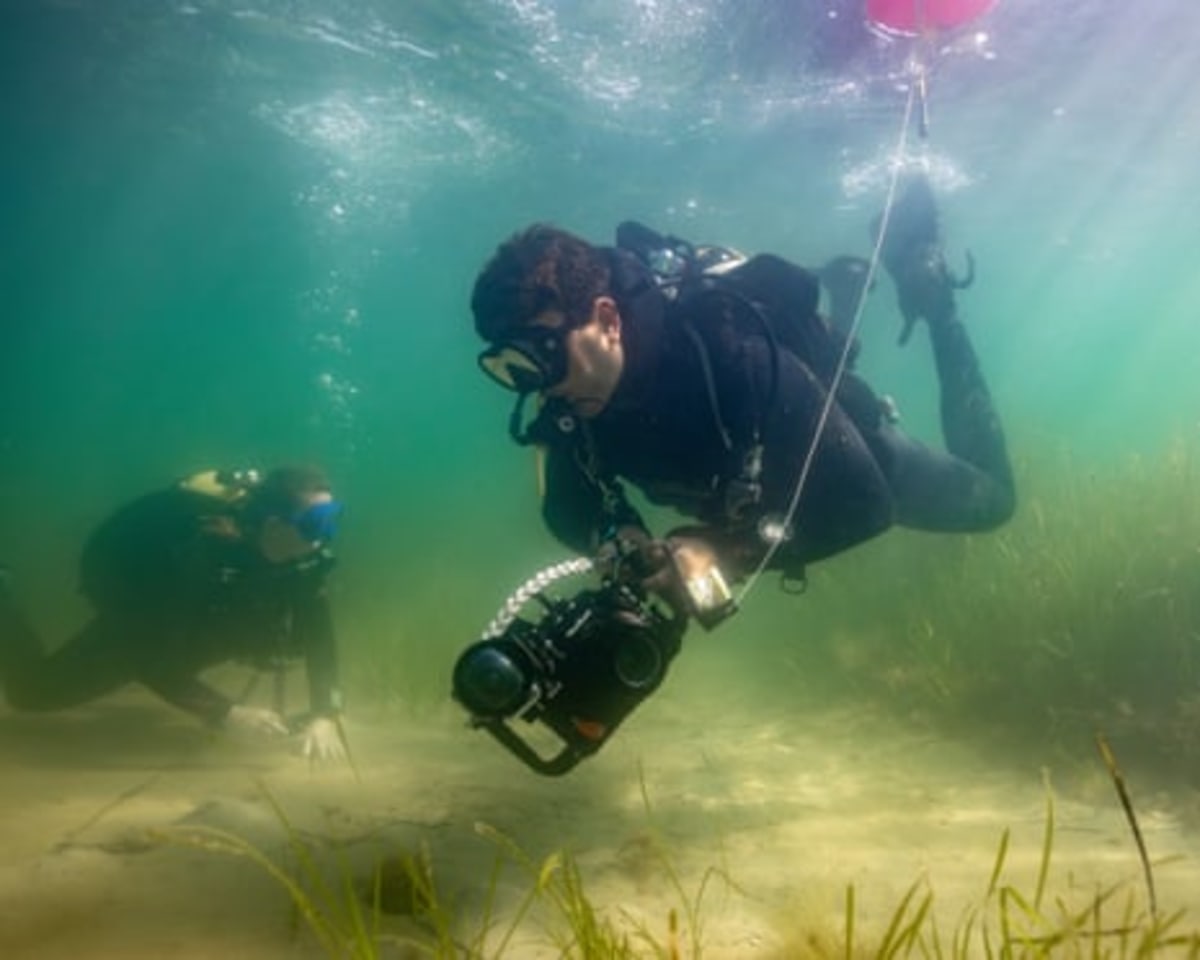
Volunteer divers monitoring seahorse populations have reported increasing numbers since the eco-moorings arrived. David Brown from the National Trust called the impact "beyond our expectations," noting that robust monitoring now provides hard science to prove the benefits.
The success story emerged from an unusual partnership. The Studland Bay Marine Partnership brought together conservationists and boating enthusiasts, groups that might typically clash over ocean access. Together, they found a way to protect fragile habitat without banning boats from this popular leisure spot.
Ken Collins, a research fellow at the University of Southampton who supervised the study, believes the findings could transform how other coastal areas balance recreation with conservation. The research provides solid evidence that eco-moorings work for both seagrass restoration and ongoing protection.
The partnership now hopes their model will spread to other busy marine environments across the UK where seagrass faces similar threats. The message is clear: given a chance to heal, nature bounces back faster than we expect.
More Images

Based on reporting by Guardian Environment
This story was written by BrightWire based on verified news reports.
Spread the positivity!
Share this good news with someone who needs it