DR Congo Vaccinates 50,000 Health Workers Against Ebola
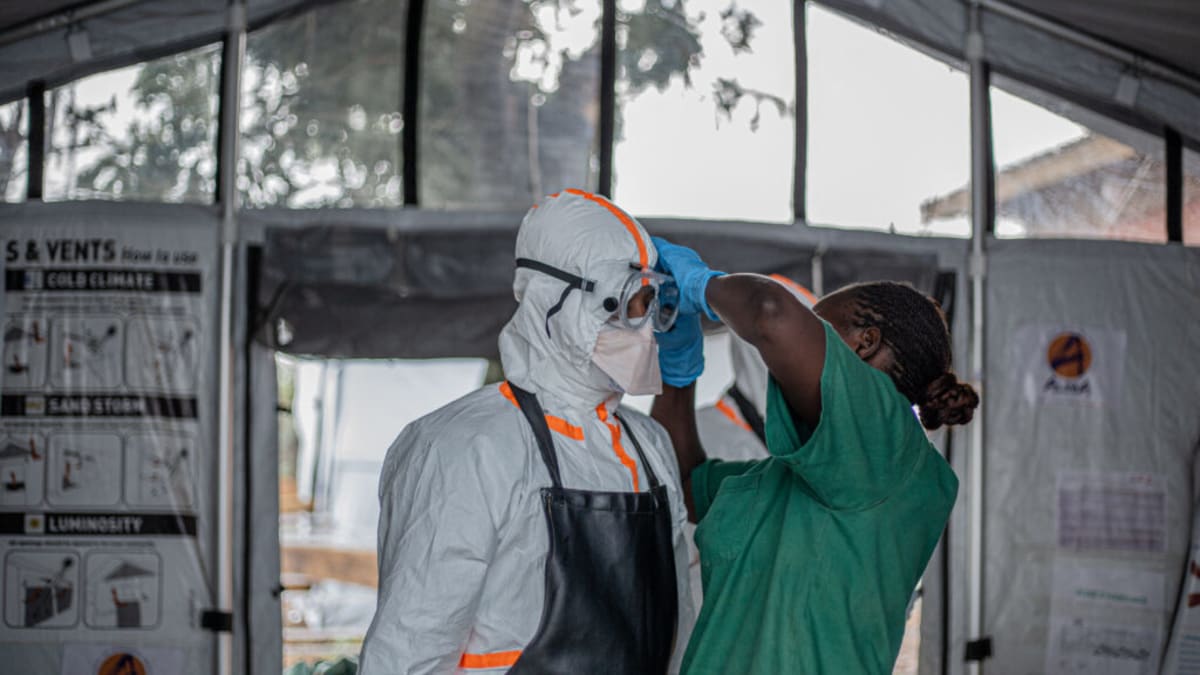
Health workers in the Democratic Republic of Congo started receiving Ebola vaccines this weekend, offering new hope in fighting the fastest-growing outbreak in history. The rollout protects 50,000 frontline workers who risk their lives daily to care for patients.
Health workers in the Democratic Republic of Congo are getting a powerful new tool in the fight against Ebola: protection for themselves.
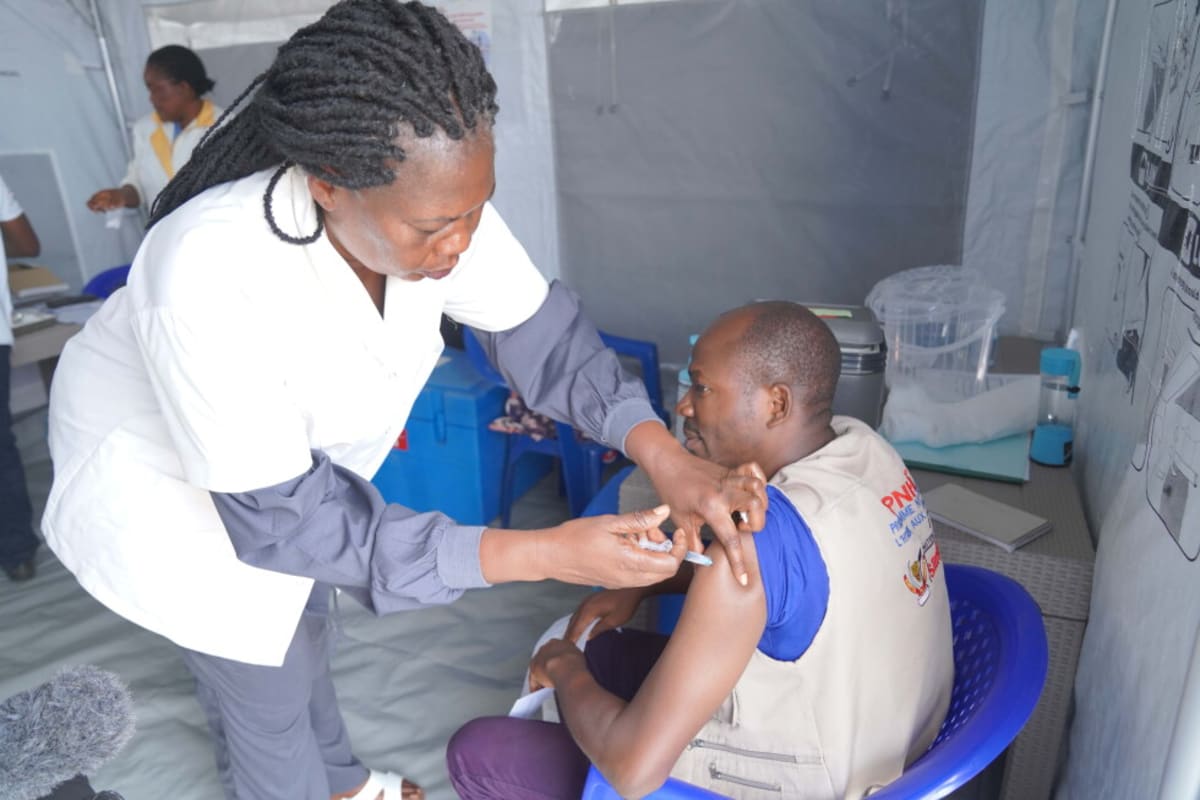
Starting Saturday in Bunia, the capital of Ituri province, 50,000 health and frontline workers began receiving the Ervebo vaccine. These medical heroes have been working on the front lines of the fastest-growing Ebola outbreak ever recorded, often without adequate protection.
The vaccine rollout, backed by the World Health Organization and Doctors Without Borders, targets the hardest-hit regions of Ituri and North Kivu provinces. Provincial governor Major-General Gaby Kasongo Mulumba emphasized that health workers "are particularly exposed and deeply involved in the response."
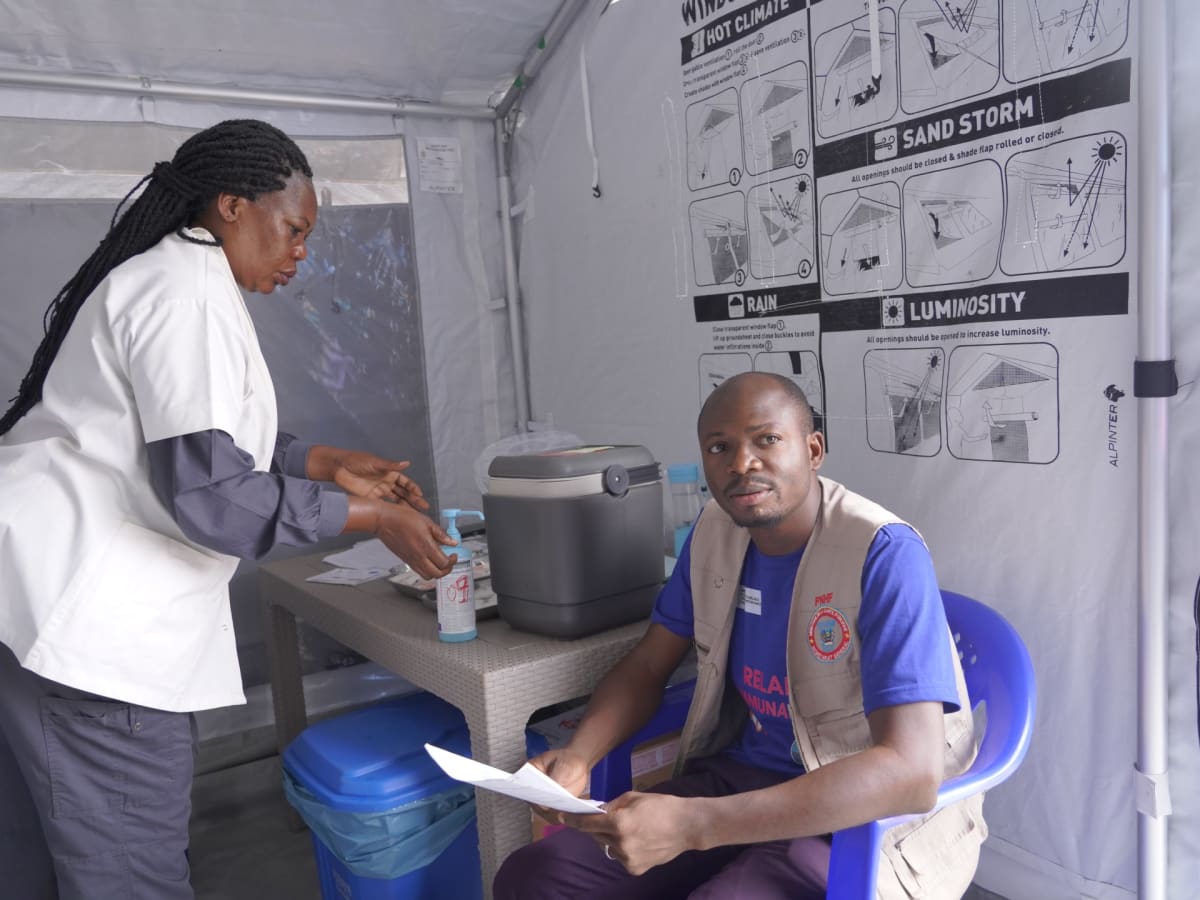
Dr. Jeannot Elua, receiving his vaccine at a Bunia health facility, called it "beneficial" despite the mandatory nature. His willingness reflects the dedication of healthcare workers who continue showing up even as the virus spreads.
The outbreak has affected over 7,500 people since May, but there's reason for hope. Nearly 2,000 people have already recovered, showing that survival is possible with proper care.
The Ervebo vaccine was originally developed for a different Ebola strain, but early animal trials suggest it could offer protection against the current outbreak. Researchers will monitor 20,000 vaccine recipients for up to a year to measure its effectiveness, while clinical trials continue for a targeted vaccine.
The Ripple Effect
Protecting health workers creates a cascade of benefits that extends far beyond individual safety. When medical staff feel safer, they can focus fully on patient care rather than fear. More protected workers means more hands available to treat patients, trace contacts, and educate communities about prevention.
These 50,000 newly vaccinated frontline workers represent 50,000 families who can sleep a little easier tonight. They're parents, siblings, and community pillars who can now continue their lifesaving work with an added layer of defense.
The WHO approved 70,000 doses for use in the DRC, and while officials note "encouraging signs" that transmission may be slowing, the vaccine rollout adds crucial ammunition to the fight. Communities that have watched their healers risk everything now see those heroes getting the protection they deserve.
As researchers work toward a fully licensed vaccine for this particular strain, this compassionate-use program shows what's possible when global health organizations move quickly to protect those on the front lines of an outbreak.
Based on reporting by Google News - Health
This story was written by BrightWire based on verified news reports.
Spread the positivity!
Share this good news with someone who needs it