Dr. Kumar: New DSM-6 Adds Biology to Mental Health
Mental healthcare is taking a historic step forward as the upcoming DSM-6 integrates biological markers into psychiatric diagnosis. This breakthrough promises more accurate treatments and validates mental health conditions with measurable science.
Imagine walking into a doctor's clinic for mental health support and receiving a clear, biological roadmap for your recovery. Mental healthcare is stepping directly into that reality as medical pioneers modernize psychiatry's most influential diagnostic guide.
For over seven decades, mental health practitioners have relied on the Diagnostic and Statistical Manual of Mental Disorders to identify complex psychological conditions. Clinicians evaluated conditions such as major depression, anorexia, and post-traumatic stress disorder entirely through patient interviews, behavioral questionnaires, and observational histories.
While these compassionate evaluations saved countless lives, patients frequently endured years of exhausting trial and error to find the right medication. Subjective checklists alone could never fully capture the intricate physiological activity happening beneath the surface.
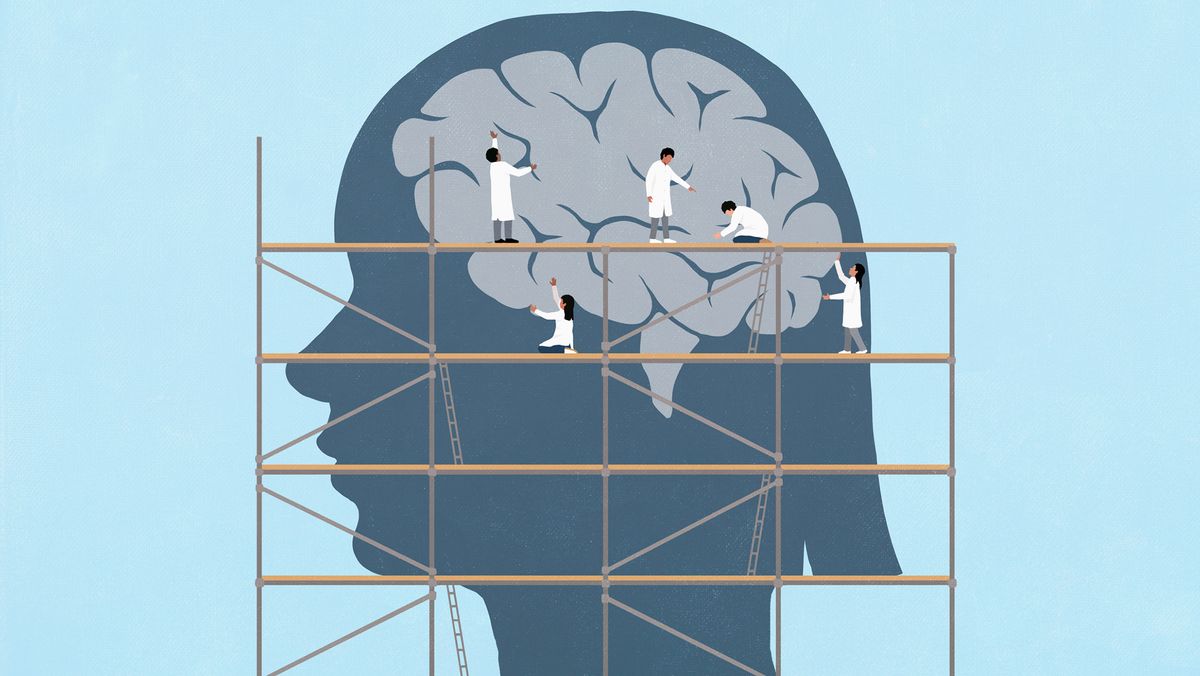
Now, psychiatry is preparing for its most transformative leap forward with the upcoming development of the DSM-6. For the first time in history, scientists are embedding biological markers and physical evidence directly into the diagnostic manual.
Dr. Anand Kumar, a distinguished professor and head of psychiatry at the University of Illinois Chicago, spent two years guiding these vital discussions on the DSM Strategy Committee. He confirms that the global medical community finally possesses both the tools and the consensus necessary to welcome biology into daily psychiatric care.
This bold evolution brings psychiatry into harmony with the rest of modern medicine. Just as cardiologists rely on blood panels to evaluate heart disease, mental health doctors will soon utilize objective physical indicators to guide their care plans.
The upcoming framework incorporates cutting-edge insights from genome-wide association studies that analyze thousands of individual genes. While each gene contributes a modest degree of vulnerability, tracking these genetic patterns helps specialists identify distinct biological risks early.
Researchers are also uncovering the profound influence of the human immune system on emotional well-being. Robust data reveals that systemic inflammation and immune-system dysfunction actively drive nearly one-third of all major depression cases.
Understanding these biological pathways allows physicians to prescribe tailored treatments rather than generic remedies. Patients with immune-driven symptoms can receive therapies that specifically target inflammation, opening new pathways to rapid relief.
Recent clinical breakthroughs in neurodegenerative care show exactly how rapid and reliable this objective testing can be. Healthcare providers previously detected Alzheimer's disease through invasive spinal punctures or costly brain scans.
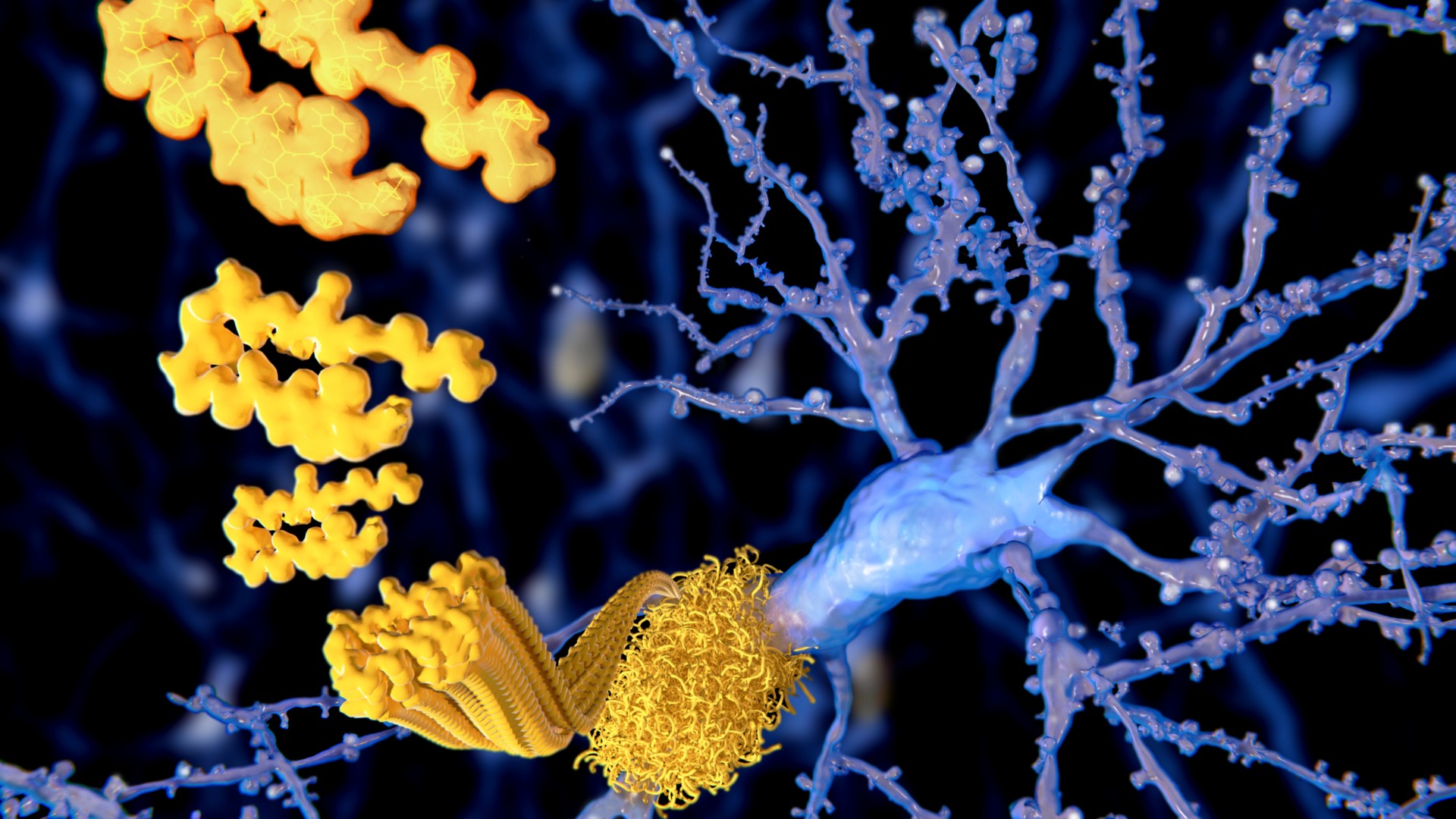
Today, clinicians identify definitive Alzheimer's biomarkers using fast, FDA-approved blood tests that measure specific tau and amyloid proteins. This remarkable achievement proves that precise, blood-based diagnostic tools can revolutionize brain health in routine clinical settings.
The Bright Side
This shift to biological precision offers far more than clinical efficiency. It delivers profound emotional validation to millions of brave individuals navigating mental health challenges every day.
For generations, cultural misconceptions led many individuals to view psychological struggles as personal weaknesses rather than genuine physical illnesses. Objective lab markers dissolve that outdated shame, reassuring patients that their challenges stem from measurable biology rather than flawed willpower.
Families also gain unprecedented clarity and deeper empathy when supporting loved ones through difficult diagnoses. Clear scientific metrics help relatives recognize mental illness as a treatable health condition that deserves patience, respect, and comprehensive care.
Furthermore, objective diagnostics streamline conversations with insurance providers and encourage pharmaceutical companies to design highly focused, gentle medications. Faster diagnoses reduce healthcare costs, protect precious time, and connect people with effective support before crises escalate.
By weaving together human empathy and advanced biological science, the medical community is creating a kinder, more precise future for healing.
Hope and definitive answers are finally arriving side by side to light the path forward for millions of people.
More Images

Based on reporting by Live Science
Reset Your Focus With Today’s Daily Affirmations & Mood Check
Take a 60-second mindful pause with curated daily affirmations and our private positivity mood tracker.
Spread the positivity!
Share this good news with someone who needs it