DRC Ebola Cases Drop 33% as Outbreak Shows Control
After months of devastating loss, the Democratic Republic of Congo is finally seeing hope in its battle against Ebola. Health officials report new infections have dropped from 120 to 80 cases per day, with six regions now cleared of the disease.
The Democratic Republic of Congo just hit a turning point in its fight against one of the world's deadliest diseases.
For the first time since May, Ebola infection rates are slowing down across the country. Health Minister Samuel Roger Kamba announced that daily cases have dropped from 120 to just 80, a sign that months of intense public health efforts are working.
Six health zones have now gone more than 42 days without a single new case. Four more regions have passed 21 days without infection, moving them closer to being declared Ebola-free.
The outbreak has been brutal. More than 3,475 people have died from the Bundibugyo variant of Ebola since May, with over 7,200 confirmed cases. The virus hit especially hard in Ituri province, where ongoing conflict made treatment and prevention incredibly difficult.
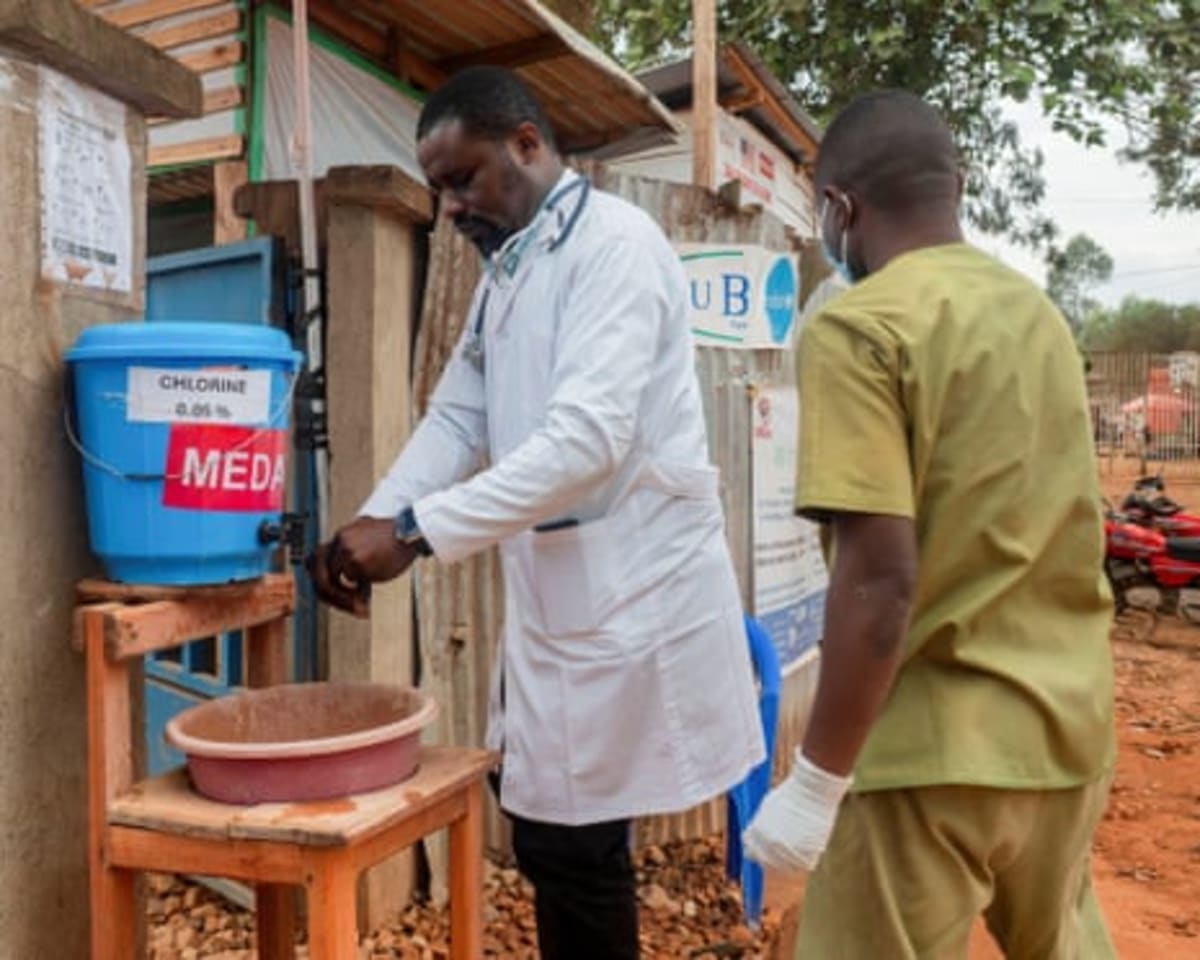
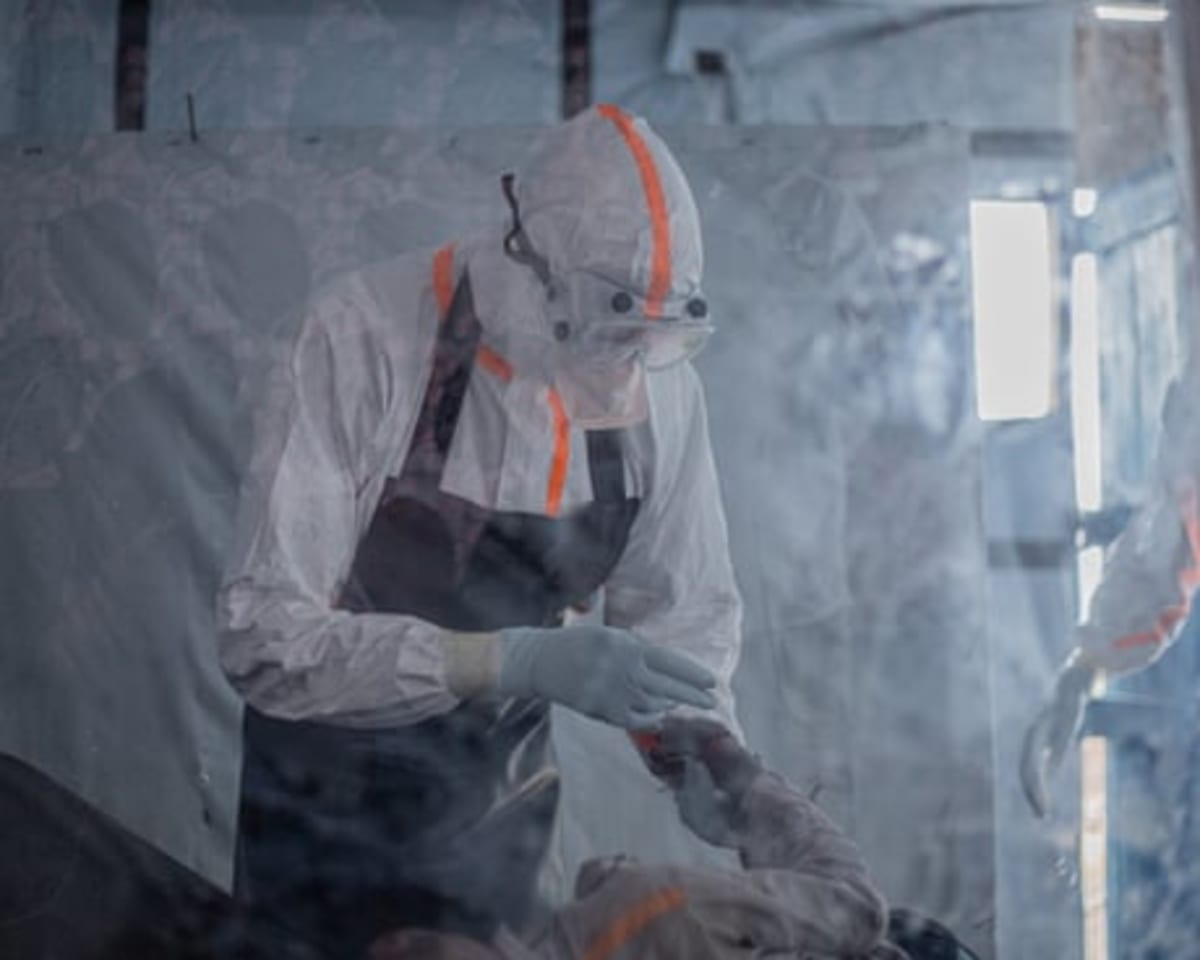
But health workers never gave up. Dr. Papy Mafuta and teams across the region worked tirelessly in dangerous conditions, following strict safety protocols and tracking contacts. Last month, the DRC received more than 70,000 vaccine doses to help protect communities, even though no specific treatment exists yet for this virus variant.
The Ripple Effect
The progress is breathing new life into exhausted communities. In Rwampara, a town in Ituri province, 36-year-old mother Léa Munyere lost two close friends to the disease. Now she's cautiously hopeful about the future.
"We hope the disease will soon be declared over," she said. "We just want to get back to our normal lives."
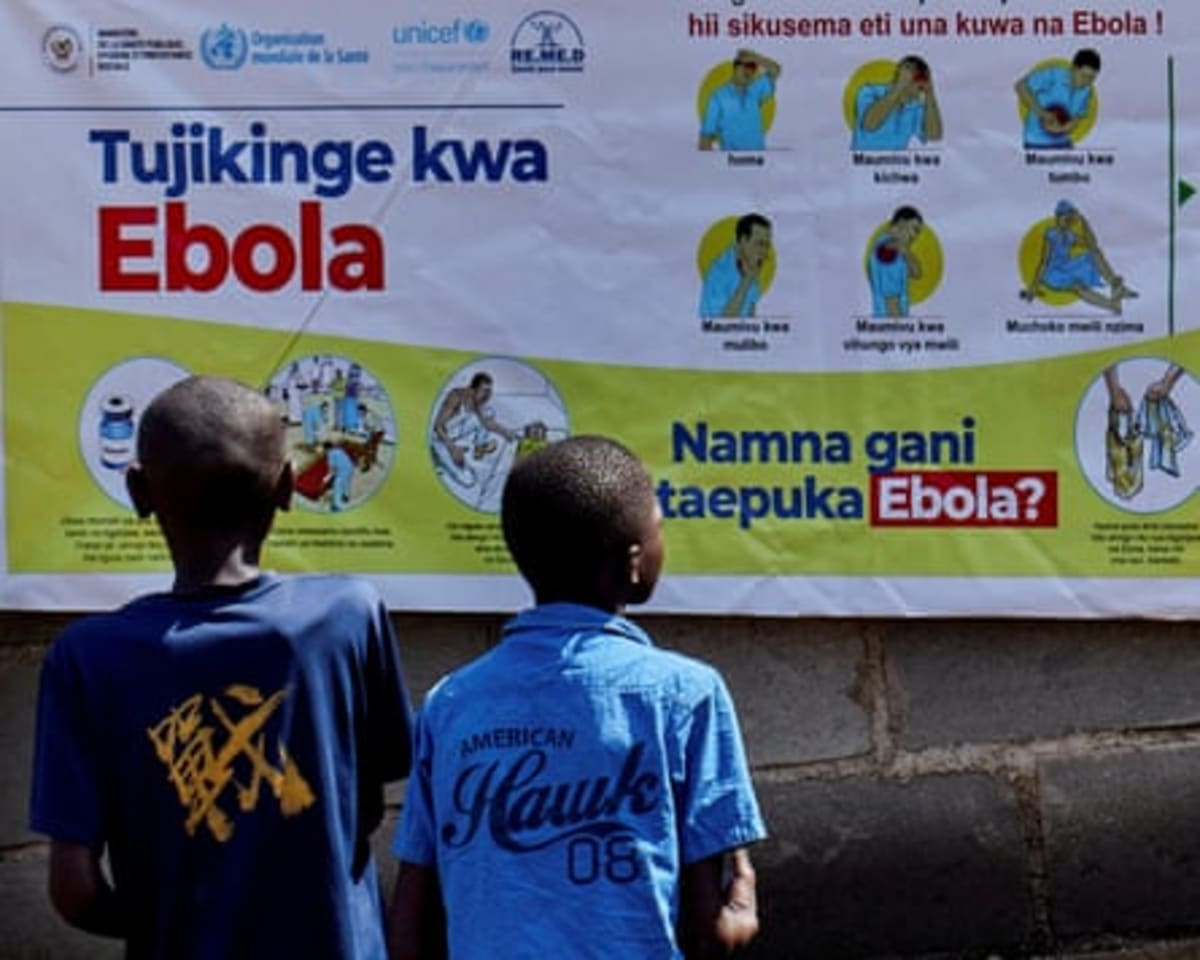
Local leaders are calling for continued vigilance while celebrating the wins. MP Iracan Gratien de Saint-Nicolas emphasized that transparency in data and maintaining safety measures will be key to sustaining progress and rebuilding public trust.
Clinical trials continue in affected regions, giving researchers valuable information about the Bundibugyo variant. Jean Kaseya from the African Centres for Disease Control said effective contact tracing will be the final key to declaring the outbreak truly over.
For now, the trend lines point in the right direction, bringing relief to communities that have endured months of fear and loss.
More Images

Based on reporting by Google News - Health
This story was written by BrightWire based on verified news reports.
Spread the positivity!
Share this good news with someone who needs it
%2Fhttps%3A%2F%2Ftf-cmsv2-smithsonianmag-media.s3.amazonaws.com%2Ffiler_public%2F6c%2Fcd%2F6ccd5e01-e02d-493d-afe2-b75b33883c4e%2Fsmithsonian_feature_images_22.png)