DRC Gets 70,000 Ebola Vaccines to Fight Rare Outbreak
The Democratic Republic of the Congo just received 70,000 Ebola vaccine doses to combat a rare strain of the virus. Half will protect frontline workers while 20,000 will help scientists learn if the existing vaccine works against this different Ebola type.
When a rare form of Ebola emerged in the Democratic Republic of the Congo, the international health community responded with speed and science.
The country requested emergency vaccines last week, and by Monday, global health partners approved an immediate release of 70,000 doses from the international stockpile. The response shows how far the world has come in fighting diseases that once spread unchecked.
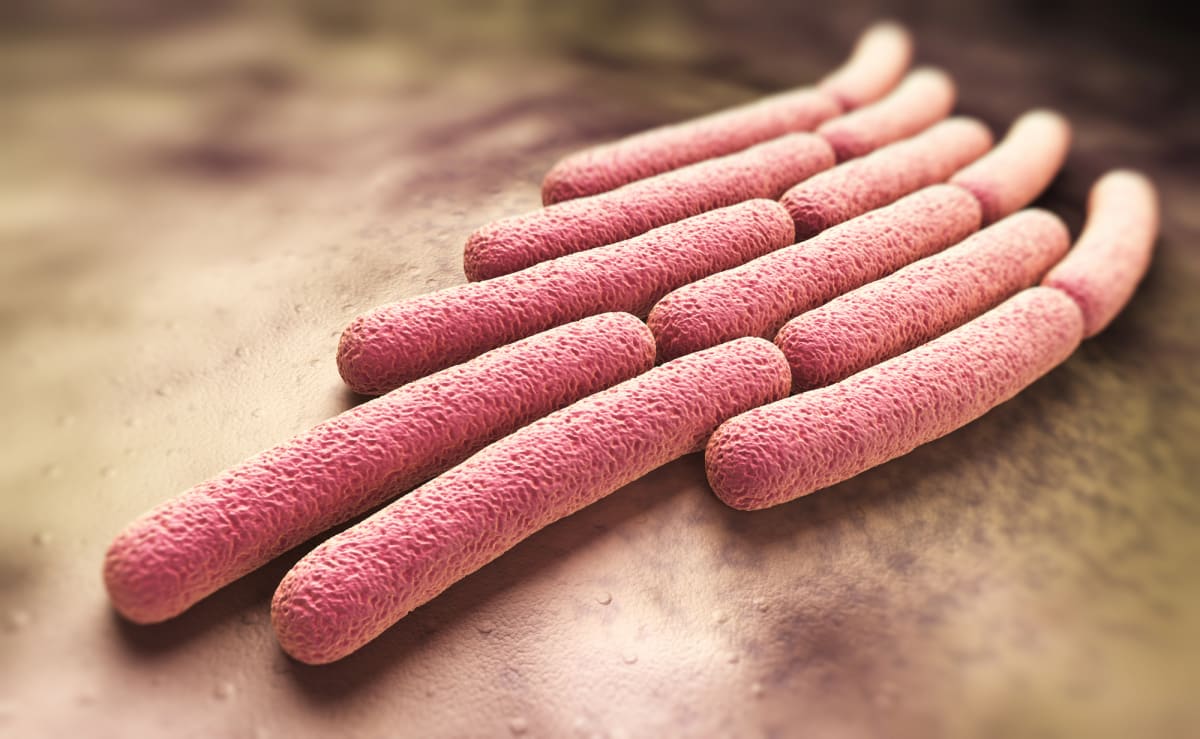
This outbreak involves the Bundibugyo virus, a less common cousin of the Ebola strain the world knows better. Scientists aren't sure if the existing Ervebo vaccine, which works well against the more common form, will protect against this variant. Early tests in labs and animals suggest it might help.
That's where the smart part of this response comes in. The allocation includes 50,000 doses to immediately protect healthcare workers and frontline responders who face the highest risk. Another 20,000 doses will support a clinical trial to finally answer whether this vaccine works against Bundibugyo.
The World Health Organization and Africa CDC are backing the DRC's community-focused approach. Local people will play a central role in the response, and everyone offered the vaccine will receive clear information about what scientists know and don't know yet.
The International Coordinating Group manages the global Ebola vaccine stockpile, funded by Gavi, the Vaccine Alliance. Since 2021, they've allocated over 56,000 doses to fight Ebola outbreaks in DRC and provided 167,000 more doses for preventive campaigns across five African countries.
The Ripple Effect
This rapid response reflects years of preparation paying off. The international stockpile system, created after devastating meningitis outbreaks in Africa, now covers four major diseases: cholera, meningitis, yellow fever, and Ebola. When outbreaks hit, countries don't have to beg or negotiate. The system ensures fair access to life-saving vaccines.
The clinical trial happening alongside the emergency response means this outbreak could strengthen protection for future generations. Every piece of evidence scientists gather helps African countries and the world prepare better for what comes next.
Communities affected by this outbreak will benefit from both immediate protection and the knowledge that their participation in research could save countless lives down the road.
More Images

Based on reporting by AllAfrica - Health
This story was written by BrightWire based on verified news reports.
Spread the positivity!
Share this good news with someone who needs it