Drivers Help Track Insect Recovery in Southeast England
Thousands of drivers across Southeast England are joining a citizen science project that counts bug splats on car plates to help scientists understand and protect insect populations. The simple survey method has already revealed crucial data that's now expanding internationally.
Drivers in Southeast England have a new way to help save the planet, and it only takes a few minutes per trip.
The Bugs Matter survey, launching Wednesday and running through September 30, asks drivers to count insect splats on their license plates after each journey. Kent Wildlife Trust and Buglife are leading the effort to track flying insect health across Kent, Surrey, and Sussex.
The method might sound simple, but it's producing powerful results. Data collected between 2021 and 2025 has already documented a 59% decline in flying insects, giving scientists hard evidence to guide conservation efforts.
Andrew Whitehouse, head of operations at Buglife, says the three counties sit within one of the UK's richest regions for insect variety. That makes local drivers perfect partners for gathering meaningful data.
The survey's success is spreading beyond British borders. Researchers have now extended Bugs Matter to France, with Kent serving as the natural gateway between Britain and the continent.
Rosie Bleet, who leads citizen science at Kent Wildlife Trust, says the expansion means better data across seasons and locations. More information helps scientists understand what insects need to thrive.
The Ripple Effect
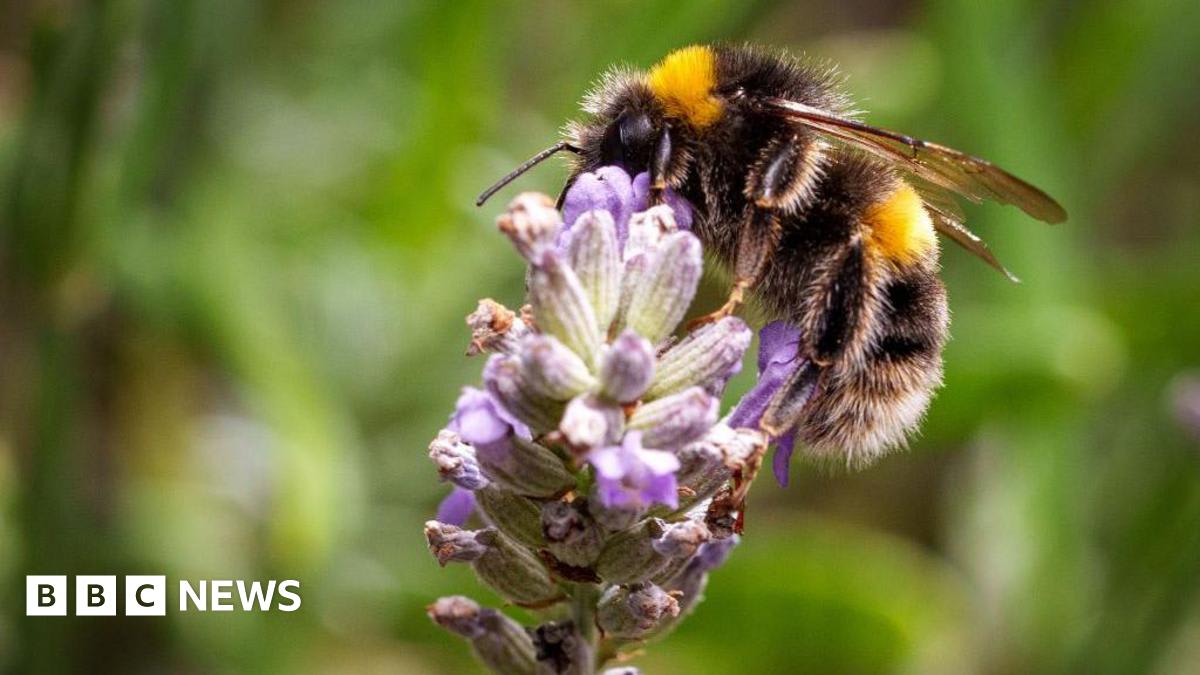
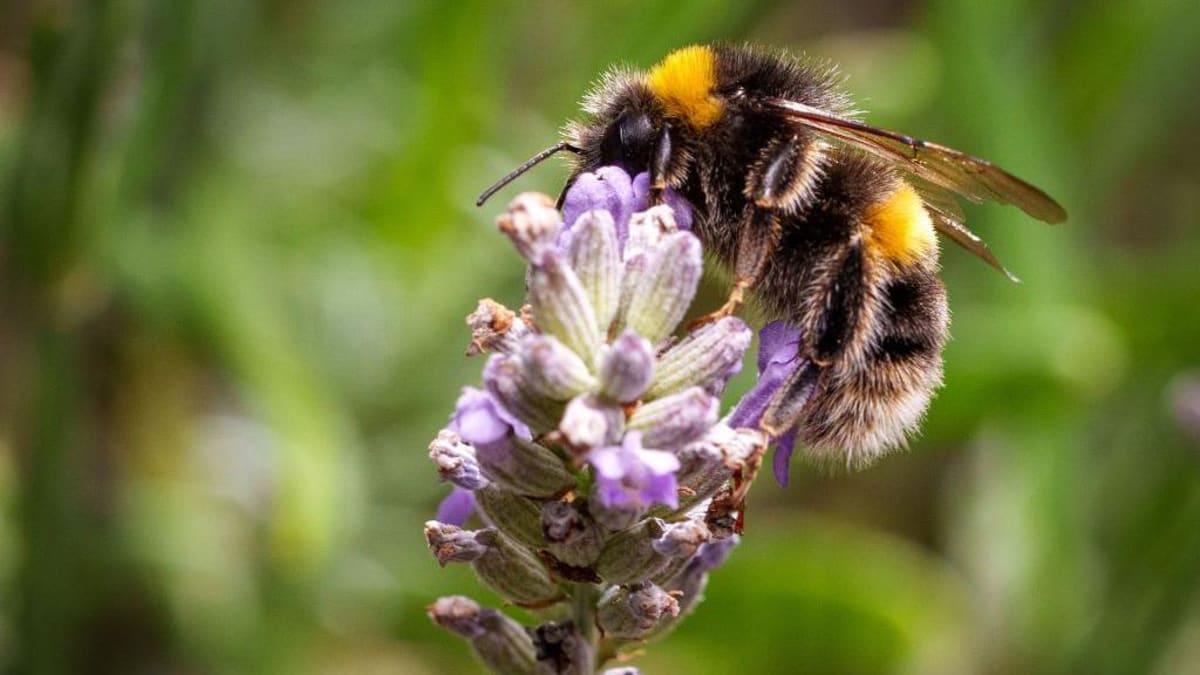
The stakes go far beyond counting splats. Insects pollinate the crops we eat, control pests naturally, decompose waste, and recycle nutrients back into soil.
They also form a crucial foundation of the food chain. Birds, small mammals, fish, and countless other species depend on insects for survival.
"Without insects, the planet's ecological systems would collapse," Whitehouse explains. That's why every driver who participates helps protect not just bugs, but the entire web of life they support.
The survey transforms ordinary commutes into meaningful conservation work. Parents can teach kids to count splats, making science accessible to the next generation of environmental stewards.
Thousands of everyday drivers are becoming citizen scientists, one journey at a time.
More Images

Based on reporting by BBC Science
This story was written by BrightWire based on verified news reports.
Spread the positivity!
Share this good news with someone who needs it