Drone Tech Saves Remote Island From Mouse Plague
Australian researchers used a world-first drone baiting program to eliminate thousands of invasive mice from Browse Island, restoring a critical breeding haven for threatened migratory seabirds. The innovative approach could bring colonies back from the brink after over a century of devastation.
A remote island off Western Australia's coast is about to become a sanctuary for seabirds again, thanks to a flying robot and 700 kilograms of bright green bait.
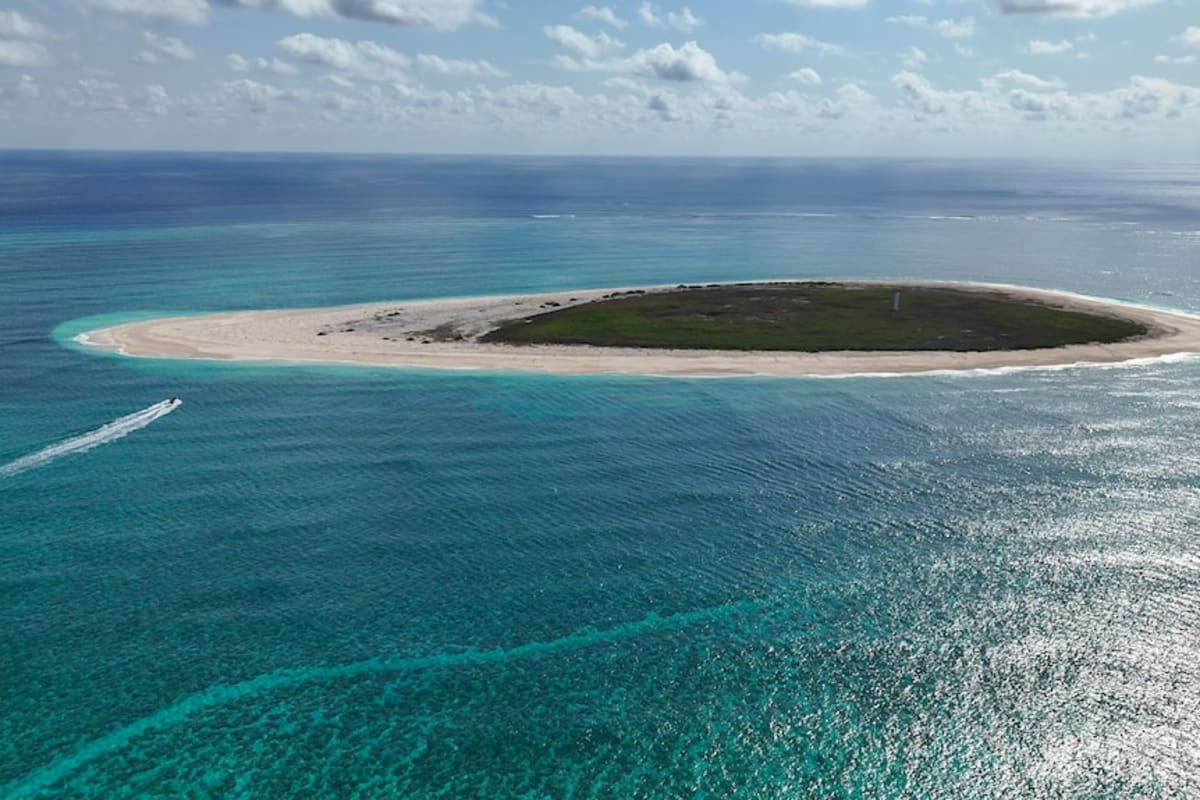
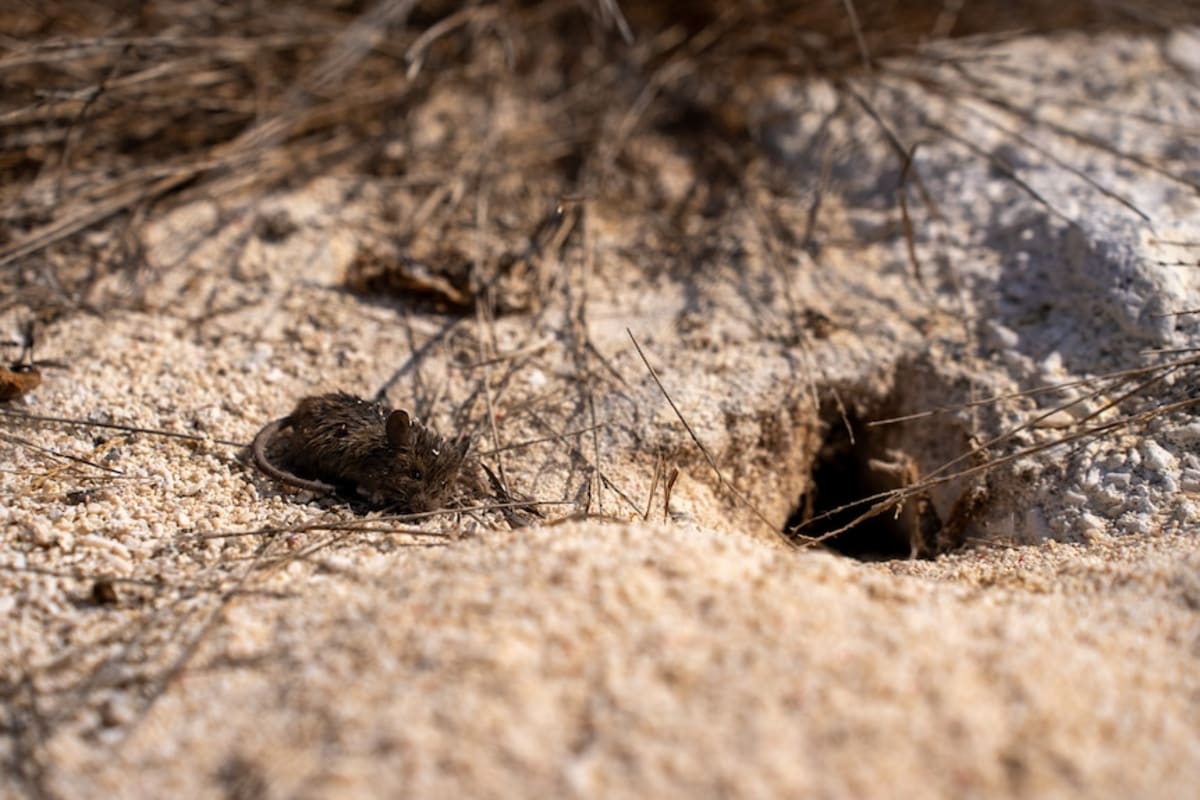
Browse Island, located 450 kilometers off Broome, was once a safe haven for migratory seabirds. But house mice, likely introduced during guano mining in the late 1800s, turned the 17-hectare island into what researchers call "plague proportions."
The invasive rodents ate seabird eggs and constantly disturbed nesting birds. Most seabirds fled to other islands, threatening the entire breeding population for the region.
For seven years, scientists from Monash University and the Department of Biodiversity, Conservation and Attractions searched for a solution. Traditional baiting methods wouldn't work because of the island's humid conditions, soaring temperatures, and dense vegetation that helicopters and ground teams couldn't navigate.
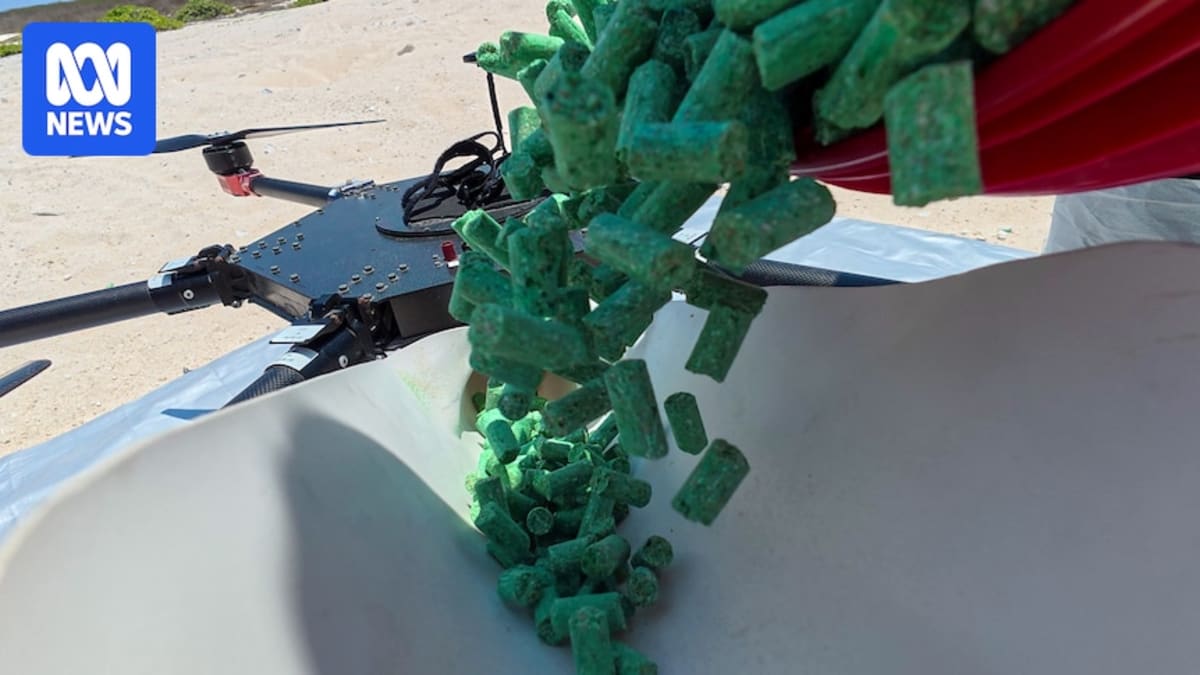
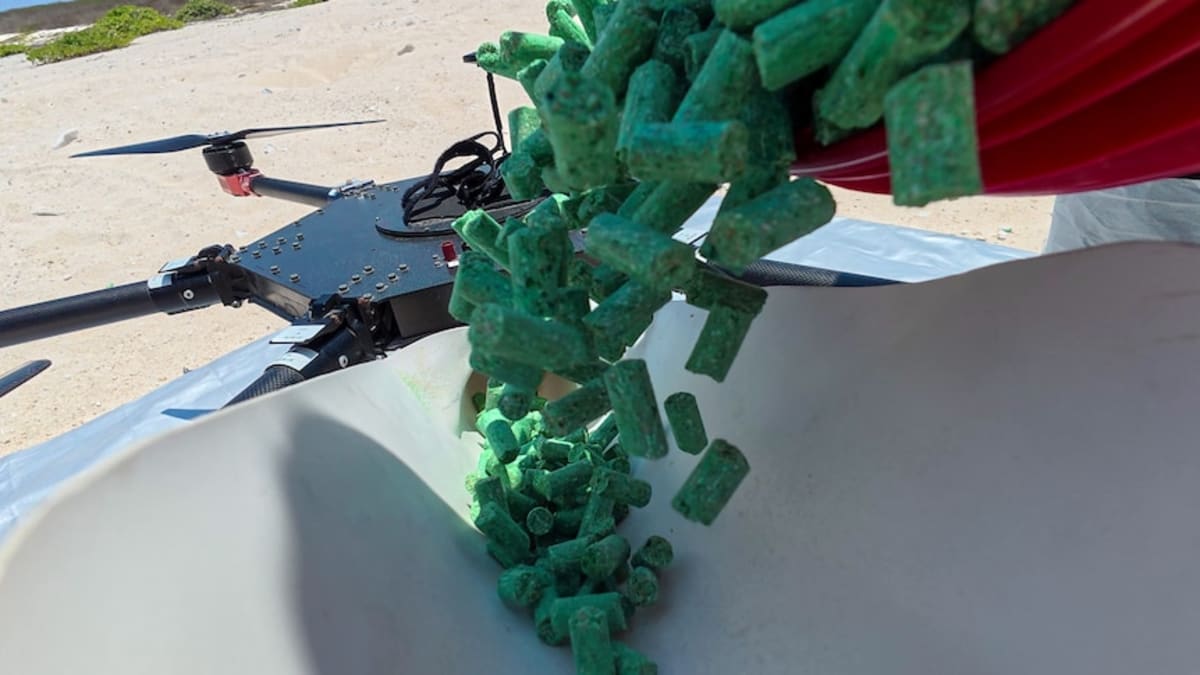
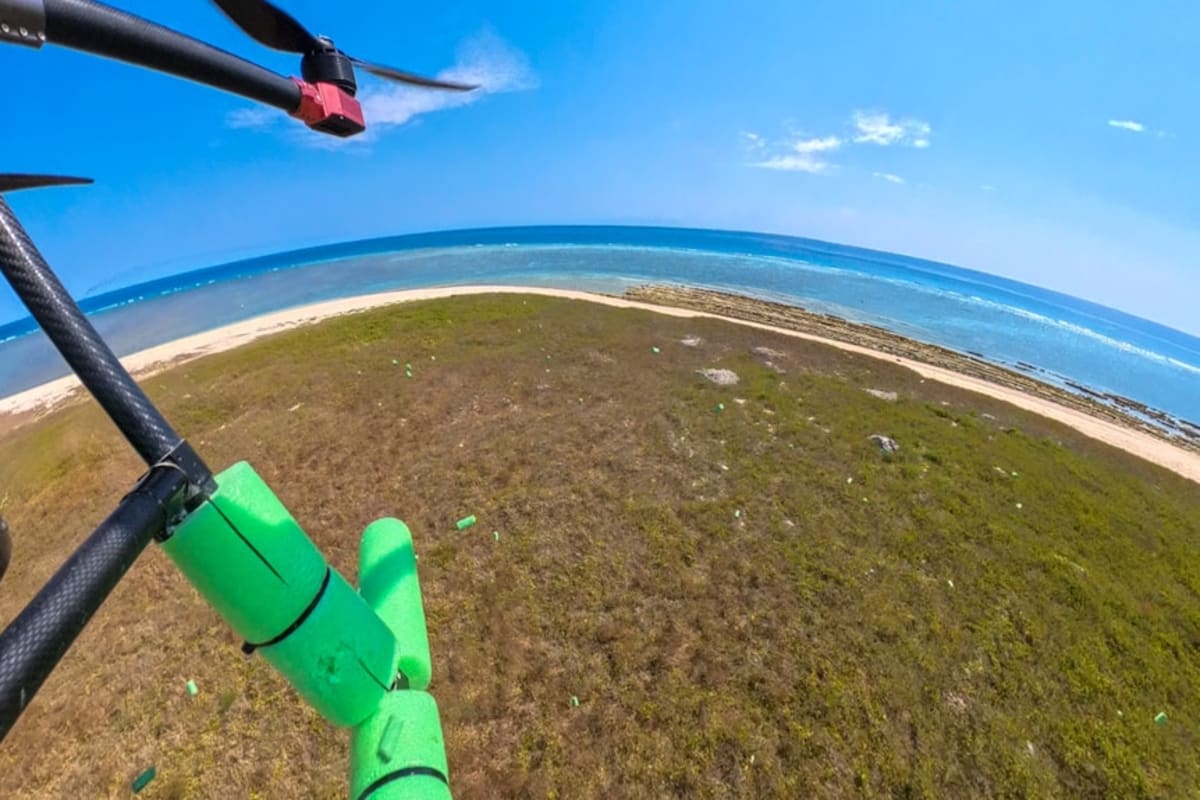
Enter the hexacopter. Researchers contracted New Zealand technicians to build a custom drone that could precisely scatter bait pellets across every inch of the island.
"If you have gaps in your baiting application, then you're at risk of failing because you really need to get literally every single individual," said Bruce Greatwich, Kimberley conservation coordinator. The drone allowed pinpoint accuracy that other methods couldn't achieve.
In October, the team scattered over 700 kilograms of rodenticide pellets across Browse Island in the world's first drone operation specifically targeting house mice. Research teams camped on the island afterward, monitoring whether the mice ate the bait by checking for nibble marks.
A second drop two weeks later ensured any survivors were eliminated. Monash University professor Rohan Clarke called the operation especially ambitious given the island's remoteness.
The Ripple Effect
The success of Browse Island could transform seabird conservation across Australia's northwest. Without this breeding site, birds had to crowd onto other islands like Adele Island and Ashmore Reef, stressing those ecosystems.
Restoring Browse means spreading the breeding population more safely across the region. It also proves drone technology can tackle invasive species in places previously considered unreachable.
The approach could be adapted for other remote islands facing similar infestations. Australia has hundreds of islands where invasive rodents threaten native wildlife, and this technology opens new possibilities.
Researchers will return in April to confirm whether every mouse is gone. If cameras and monitoring show zero mice, the island can begin its recovery.
"That is the dream, that we're going to return Browse back to its former ecological state and its glory of supporting seabirds for the region," Greatwich said.
After more than a century of disruption, migratory seabirds may finally have their sanctuary back.
More Images
Based on reporting by ABC Australia
This story was written by BrightWire based on verified news reports.
Spread the positivity!
Share this good news with someone who needs it