Drones and K9s Save Missing Man in Connecticut Park
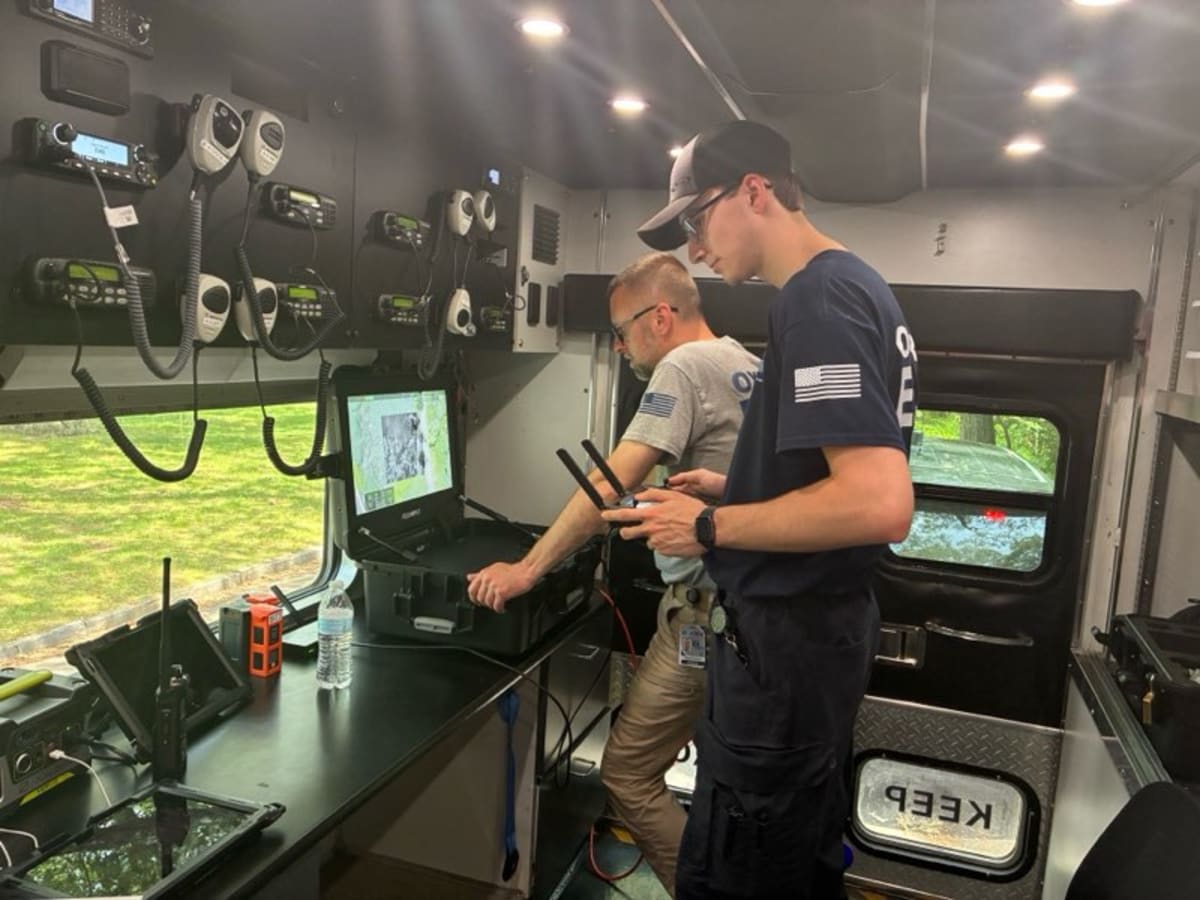
A missing autistic man survived two days in dense marshland thanks to a volunteer rescue team's innovative combination of search dogs and drone technology. The successful rescue marked the first major deployment of Oxford EMS's newly formed special operations unit.
When a New Haven man with autism disappeared during an evening walk on June 10, his family faced every parent's worst nightmare. Two days later, a groundbreaking rescue effort brought him home alive.
Oxford EMS's Special Operations team got the call at 6:30 a.m. on June 12. The volunteer unit, which just launched its drone program and K9 team earlier this year, assembled quickly and headed to Edgewood Park where the man was last seen.
New Haven police knew the missing man loved watching ducks at the park's pond. That detail became the key to focusing the search in the right area, even though dense cattails and marshy terrain made traditional searching nearly impossible.
The Oxford K9 units picked up a scent near the overgrown wetlands but couldn't push through the thick vegetation. That's when the team's technology made the difference.
Using tracking systems, the crew monitored exactly where the dogs changed their behavior. They marked those precise locations, then flew drones overhead to investigate what the dogs had detected but couldn't reach.
The drone spotted something unusual in the cattails about 100 to 150 feet from the walking path. It didn't look like it belonged there, so the team sent K9 handlers to verify.
They found him. The man was unresponsive but alive, hidden in vegetation so thick that searchers on foot might have walked right past him.
EMTs on the Oxford team immediately provided life-saving care alongside New Haven police before American Medical Response transported him to Yale New Haven Hospital. The combination of animal instinct, human expertise, and aerial technology had worked exactly as hoped.
The Ripple Effect
Seth Poston, Oxford EMS chief, calls it a huge win that validates countless hours of volunteer training. His team proved that smaller communities can deploy sophisticated rescue capabilities by creatively combining resources.
The success demonstrates how modern search and rescue is evolving beyond traditional methods. Dogs provide the biological detection that technology can't match, while drones access terrain too dangerous or dense for humans and animals.
For Oxford's volunteers, this rescue validates their investment in training and equipment. For other communities, it offers a blueprint for building effective search teams without massive budgets.
Most importantly, a family got their loved one back alive.
Based on reporting by Google: rescue saves
This story was written by BrightWire based on verified news reports.
Spread the positivity!
Share this good news with someone who needs it