Drones Could Help Find Water on Mars for Future Astronauts
Scientists have proven that drones with radar can map buried ice on Mars, showing exactly where future missions should drill for water. This breakthrough could transform how we find resources to support human exploration of the Red Planet.
Finding water on Mars just got a lot easier, and the solution came from flying drones over glaciers in Alaska and Wyoming.
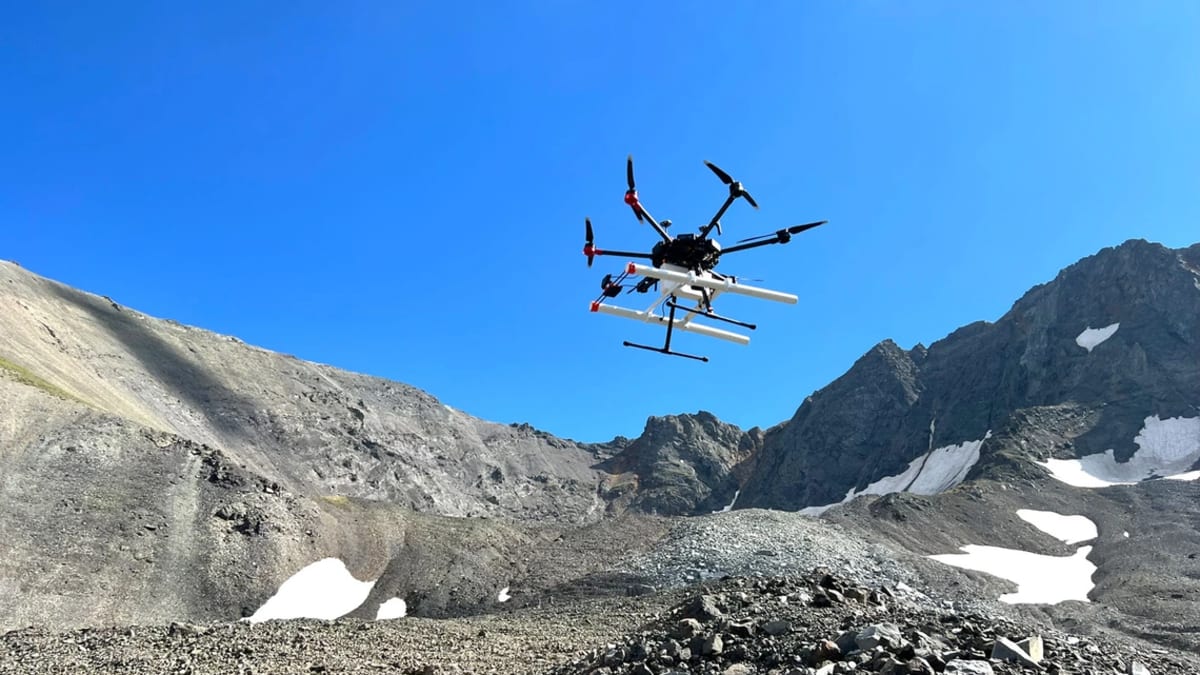
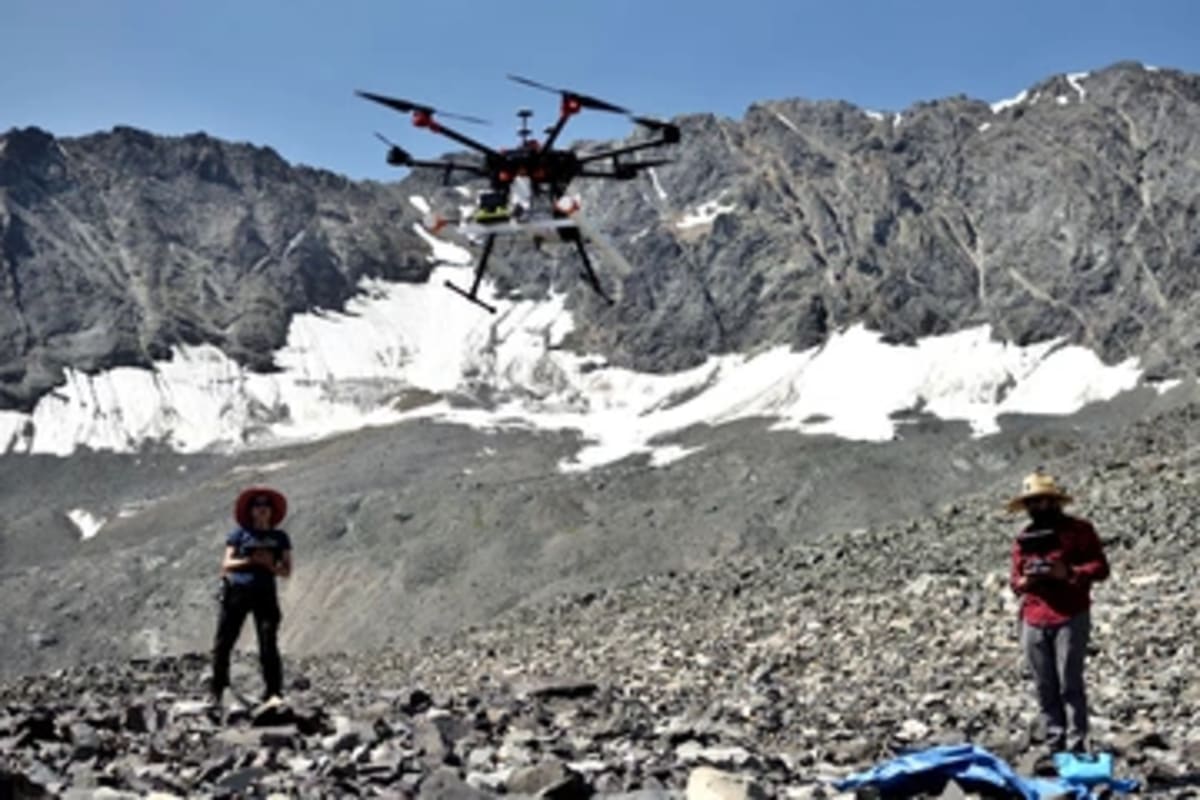
University of Arizona researchers have shown that drones equipped with ground-penetrating radar can map buried ice with stunning precision. They tested the technology on Earth's debris-covered glaciers that closely resemble ice deposits on Mars, and the results could revolutionize how we search for water on the Red Planet.
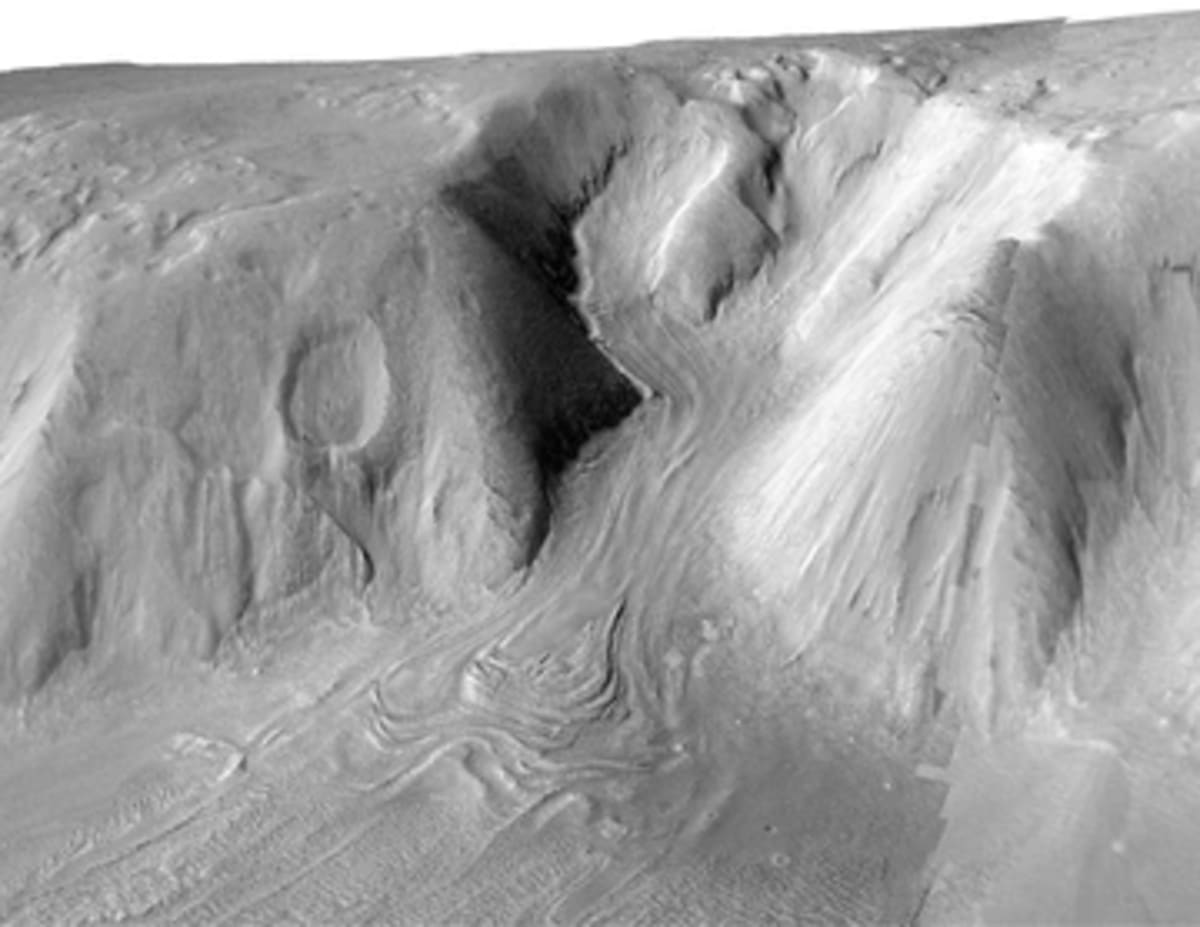
The challenge has always been knowing exactly how deep to dig. Satellites orbiting Mars can spot large ice deposits, but they can't tell mission planners whether that ice sits under one meter of debris or ten meters of hardened rock.
"If you want to make decisions about where to drill on Mars, you need to know if the ice you're trying to find is under one meter of debris or 10," said Roberto Aguilar, lead researcher and doctoral student at the University of Arizona. "That's the kind of information a drone-based system could provide."
The team flew drones low over glaciers, mapping ice thickness and detecting debris layers just a few feet thick. They validated everything with actual drilling and excavations, proving the radar signals were accurate.
On Mars, similar drones would work as scouts between satellites and surface missions. Orbiters would identify promising regions, drones would create detailed maps, and rovers or astronauts would drill in the exact right spots.
The Ripple Effect
This isn't just about finding water to drink, though that's certainly important for future astronauts. Martian ice holds clues to the planet's climate history and could help scientists understand if Mars ever supported life.
Water ice could also be converted into oxygen for breathing and fuel for rockets. Finding it efficiently could make long-term human missions to Mars actually feasible, turning science fiction into realistic planning.
The approach builds on NASA's Ingenuity helicopter, which proved that flying in Mars' thin atmosphere is possible. That little helicopter opened the door for more capable aerial platforms that could carry scientific instruments.
Instead of guessing where to drill, future missions could target locations where ice lies closest to the surface. That means less risk, lower costs, and better chances of success for both robotic missions and eventual human explorers.
"We are filling the gap between today's orbital observations and a more distant future, where astronauts land on Mars and make observations on the ground," Aguilar explained. The team published their findings in the Journal of Geophysical Research: Planets on March 24.
By borrowing glacier-mapping techniques from Earth and adapting them for Mars, scientists have turned the search for buried ice from guesswork into precision science.
More Images
Based on reporting by Space.com
This story was written by BrightWire based on verified news reports.
Spread the positivity!
Share this good news with someone who needs it