Drones Cut Kaziranga Rhino Poaching by 86% Since 2017
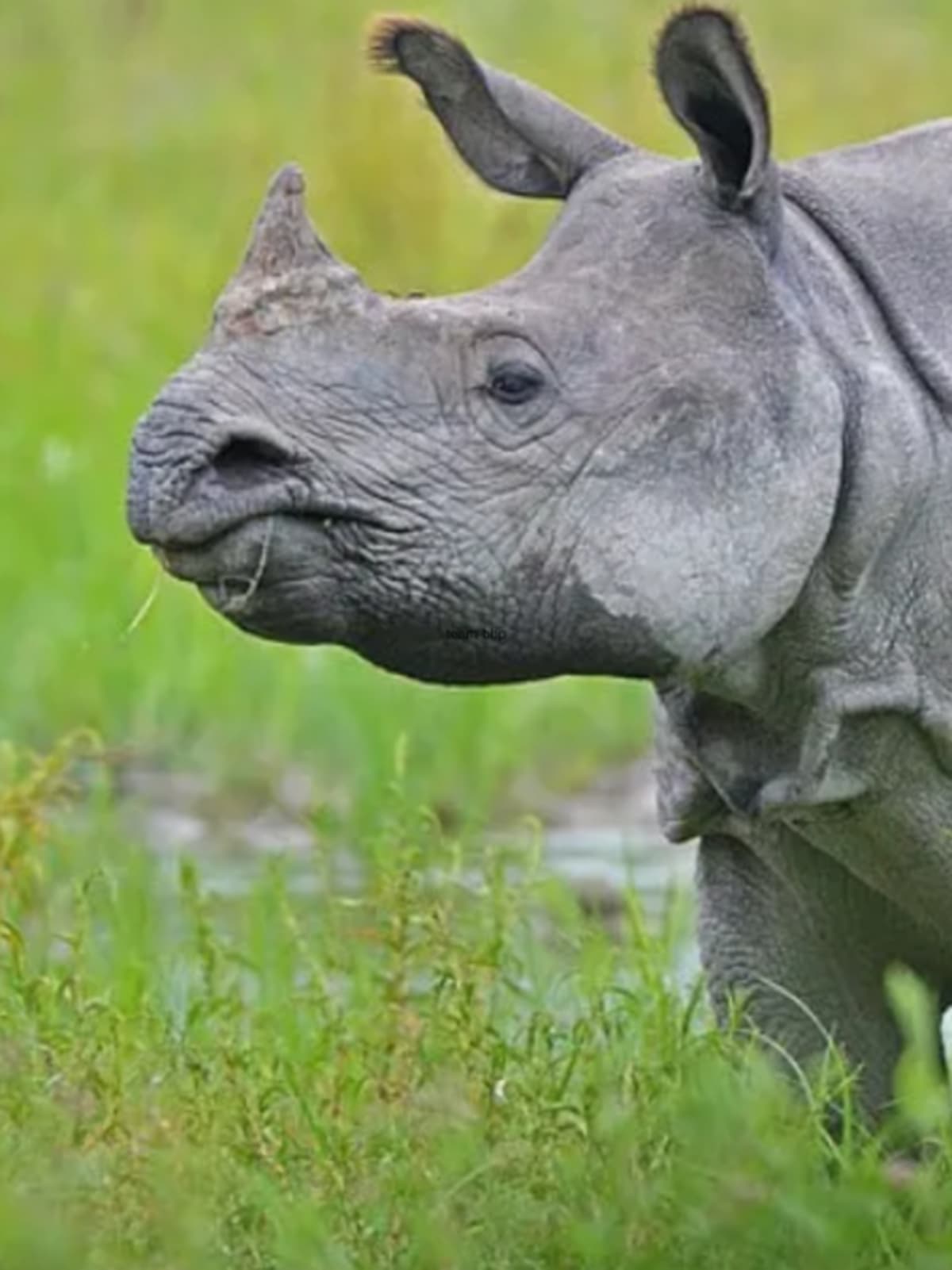
After losing 27 rhinos to poachers in a single year, India's Kaziranga National Park turned to drones for help. The result: poaching dropped dramatically, and more than 2,600 one-horned rhinos now roam safer than ever.
In 2013, Kaziranga National Park faced a crisis that would have broken many conservationists' hearts. Poachers killed 27 one-horned rhinos that year, and another 27 the next, pushing these magnificent creatures closer to danger despite decades of protection efforts.
The problem wasn't a lack of dedication. Rangers risked their lives patrolling the park's dense forests and grasslands, but Kaziranga spans hundreds of square miles of terrain that's nearly impossible to monitor on foot alone.
Then someone looked up. In 2013, park officials launched an experiment with drone surveillance, flying unmanned aircraft over the areas most vulnerable to poaching. The technology showed so much promise that by 2017, India's Central Government approved drones for regular monitoring across the park.
Today's drones are remarkable tools. They fly for up to 60 minutes at a time, streaming live footage back to ranger stations. Thermal imaging cameras can detect human activity even in darkness or thick fog, giving teams a crucial advantage against poachers who once relied on the cover of night.
The numbers tell an incredible story. Between 2000 and 2021, more than 190 rhinos were killed by poachers in Kaziranga. But since drones became a regular part of park operations, poaching incidents have dropped dramatically. The park now protects more than 2,600 one-horned rhinos, the largest population anywhere in the world.
The Ripple Effect
The drones have become far more than anti-poaching tools. During Kaziranga's seasonal floods, they track rhinos moving to higher ground and spot animals stranded or in distress, helping rangers coordinate rescue operations that save lives.
The technology maps vegetation changes across the park, giving scientists data to understand how the habitat evolves. Thermal sensors can detect heat signatures from early-stage forest fires, alerting teams before flames become visible from the ground.
When rhinos, elephants, or wild boars wander into nearby villages, drones help teams track their movements and alert communities. This early warning system prevents dangerous encounters between wildlife and people, protecting both.
Rangers are quick to point out that drones don't replace boots on the ground, local knowledge, or habitat protection. But they give conservation teams something precious: the ability to see more, respond faster, and stay one step ahead of threats.
Above Kaziranga's grasslands, a quiet revolution is taking place, one flight at a time.
Based on reporting by The Better India
This story was written by BrightWire based on verified news reports.
Spread the positivity!
Share this good news with someone who needs it