Drones Now Prevent Wildfires and Catch Crime in Real Time
Autonomous drones are becoming first responders across America, detecting faulty power lines before they spark fires and helping police catch criminals as they flee. The top US drone manufacturer just showed how flying robots are quietly building an invisible safety net in our skies.
While you were sleeping, a drone might have prevented a wildfire in your neighborhood. These aren't the military machines you're thinking of—they're autonomous flying guardians keeping our communities safer every single day.
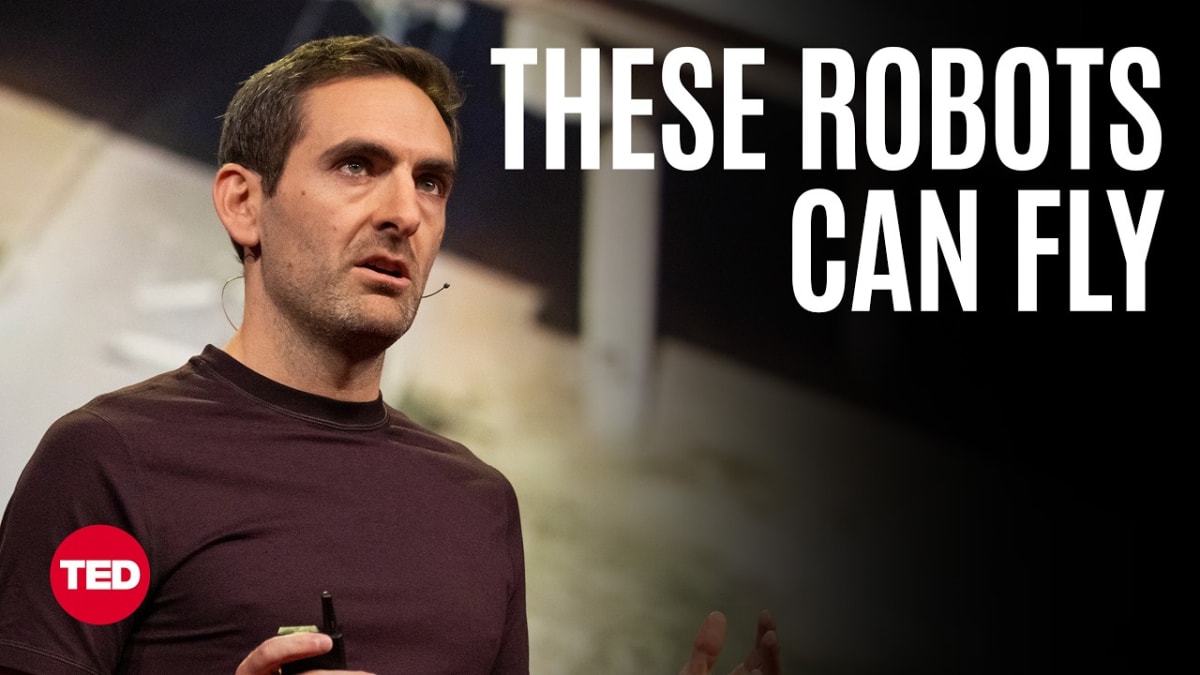
Adam Bry leads America's top drone manufacturer, and he just revealed how flying robots are transforming public safety across the country. During a live demonstration at TED2026, he piloted a drone in Tokyo from his laptop in Vancouver, showing technology that's already saving lives closer to home.
These drones patrol power lines, spotting faulty equipment before it sparks the next catastrophic wildfire. They inspect bridges and buildings that would take human crews days to survey. When crime happens, they launch automatically, tracking suspects in real time while officers respond safely on the ground.
The technology marks a massive shift from how we think about drones. Instead of weapons, they're becoming infrastructure inspectors, emergency responders, and guardians of the electrical grid.
Real police departments are already using them. When a 911 call comes in, autonomous drones can arrive at the scene in minutes, giving dispatchers eyes in the sky before human responders reach the location. That early intelligence helps officers make better decisions and keeps everyone safer.
The wildfire prevention work might be the most crucial application. California and other western states lose entire communities to fires that often start from damaged power equipment. Drones can fly inspection routes daily, using thermal cameras and AI to spot problems invisible to ground crews.
One drone can inspect miles of power lines in hours. A human crew might take weeks to cover the same distance, often missing small defects that become big disasters. The robots work in weather conditions that would ground helicopters and never get tired or distracted.
Bry's demonstration showed just how far the technology has come. Controlling a drone halfway around the world with minimal lag isn't just impressive—it's proof that autonomous flight systems are ready for serious work. The same connectivity lets one operator manage multiple drones across a city or region.
The Ripple Effect
This invisible infrastructure in the sky creates safety benefits that multiply outward. Preventing one wildfire saves homes, lives, and billions in economic damage. Faster emergency response means better outcomes for heart attack and accident victims. Better infrastructure inspections mean bridges get repaired before they become dangerous.
Communities adopting drone technology report faster response times and more efficient use of limited public safety budgets. Instead of replacing human workers, the drones handle the dangerous, repetitive tasks that put people at risk. Inspectors no longer climb hundred-foot towers. Officers get crucial information before walking into unknown situations.
The technology also creates new jobs. Pilots, maintenance crews, software developers, and data analysts all support these aerial systems. Cities investing in drone programs are building expertise that positions them as leaders in next-generation public safety.
Emergency responders themselves report feeling more confident with drone support. Having eyes in the sky before arrival means fewer surprises and better preparation. In active crime situations, that advantage can mean the difference between tragedy and peaceful resolution.
The quiet revolution happening overhead reminds us that the best technology often works invisibly, making our lives better without demanding attention or praise.
Based on reporting by TED
This story was written by BrightWire based on verified news reports.
Spread the positivity!
Share this good news with someone who needs it