Drug Discovery AI Now Works Through Simple Conversation
SandboxAQ just made billion-dollar drug discovery tools as easy to use as texting a friend. Scientists can now access powerful molecular simulation models through Claude's chat interface, no computing degree required.
Finding a new drug typically takes ten years and costs billions of dollars, with most candidates failing before they ever reach patients. Now a company backed by Google's former CEO is making that grueling process accessible to any scientist who can type a question.
SandboxAQ has partnered with Anthropic to integrate its specialized AI models directly into Claude, the conversational AI platform. For the first time, researchers can run complex molecular simulations simply by asking questions in plain English.
The breakthrough isn't just about better science. It's about who gets to do that science. Until now, using advanced drug discovery AI required expensive computing infrastructure and technical expertise that kept these tools locked inside major pharmaceutical companies.
SandboxAQ's models are different from typical AI. They're built on physics and chemistry rules rather than patterns in text, meaning they can predict how molecules will actually behave in the real world. These "large quantitative models" simulate chemical reactions at the molecular level, helping researchers spot promising drug candidates before anyone steps into a lab.
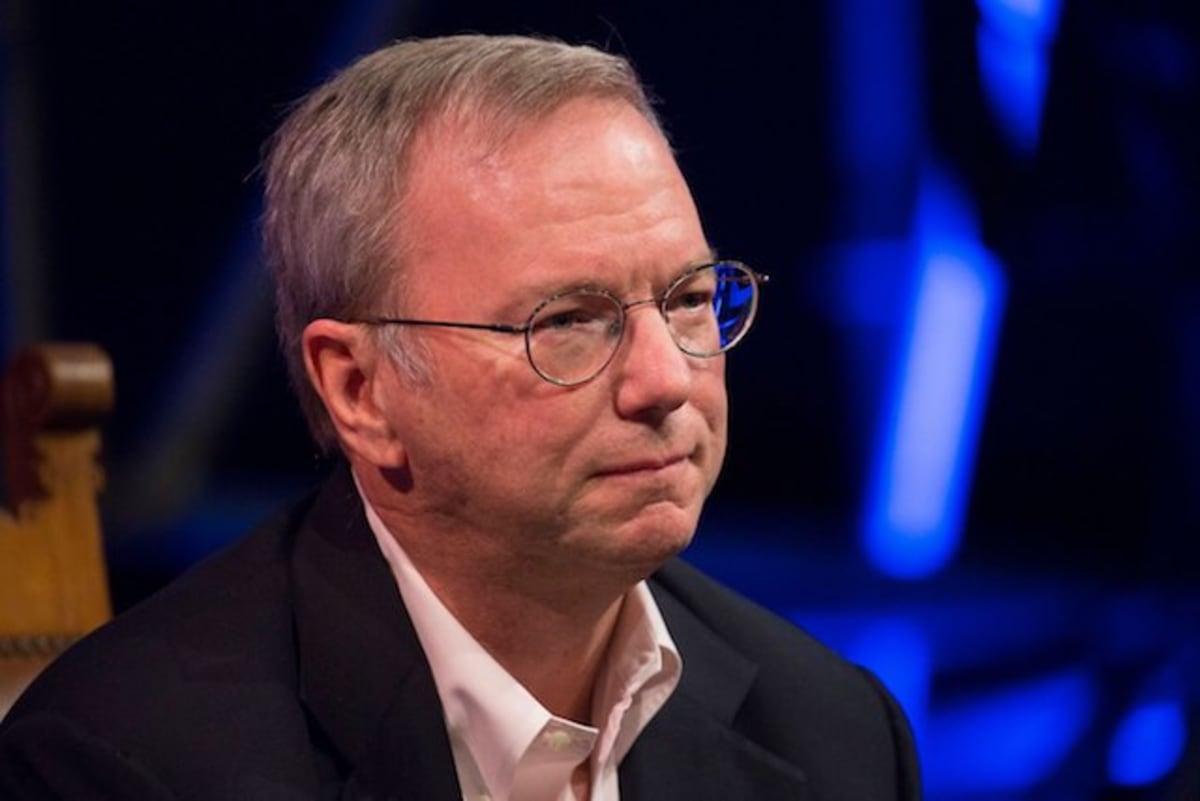
The company spun out of Google's parent company Alphabet five years ago and has raised over $950 million. Eric Schmidt, Google's former CEO, serves as chairman. Their clients are usually computational scientists at major pharmaceutical and industrial companies hunting for breakthrough materials.
"For the first time, we have a frontier quantitative model on a frontier LLM that someone can access in natural language," says Nadia Harhen, SandboxAQ's general manager of AI simulation. Previously, customers needed their own digital infrastructure just to run the models.
The timing matters. While competitors like Chai Discovery and Isomorphic Labs have focused on building better models, SandboxAQ is solving the usability problem. The most powerful tool means nothing if only a handful of experts can operate it.
The Ripple Effect
This accessibility could reshape who discovers tomorrow's medicines. Smaller research teams without massive computing budgets can now tackle complex molecular problems that were previously out of reach. University labs, startup biotech firms, and independent researchers gain tools that once belonged exclusively to pharmaceutical giants.
The technology targets what SandboxAQ calls "the quantitative economy," a $50 trillion sector spanning drug development, advanced materials, energy, and financial services. These fields all depend on understanding how complex systems behave, whether that's a new cancer drug or a better battery material.
Companies turn to SandboxAQ when conventional software fails to solve their toughest problems, Harhen explains. The real test isn't whether a simulation looks promising on screen, it's whether that molecule actually works when scientists synthesize it in the lab.
Now that barrier between powerful prediction and practical application just got a lot lower, and the conversation to find the next lifesaving drug might start with a simple typed question.
Based on reporting by TechCrunch
This story was written by BrightWire based on verified news reports.
Spread the positivity!
Share this good news with someone who needs it