Dubai to Store DNA of 10,000 Species in Global Biobank
A company that brought back the dire wolf is building the world's largest genetic library to save thousands of endangered species from extinction. The Dubai biobank will preserve frozen cells from animals like snow leopards and white rhinos, giving scientists a backup plan for life on Earth.
The same company that resurrected the dire wolf after 10,000 years is now racing to save thousands of living species before they disappear forever.
Colossal Biosciences announced this week it's partnering with the United Arab Emirates to create a massive genetic library of more than 10,000 endangered species. The frozen tissue samples will be stored at Dubai's Museum of the Future, with the facility opening as early as next year.
The project starts with Earth's 100 most threatened animals. Snow leopards, savanna elephants, great white sharks, and northern white rhinos top the list. Scientists will collect cells from hundreds of individual animals per species to preserve genetic diversity.
"The Colossal BioVault should be up and running almost immediately," says Matt James, the company's chief animal officer. The team plans to add several hundred species each year until they hit their 10,000 species goal.
This isn't just a freezer full of samples collecting dust. Visitors to the Dubai museum can watch scientists sequence genomes in real time. All the genetic data will be open source, meaning researchers worldwide can access it for conservation and potential de-extinction projects.
The scale matters more than most people realize. When animal populations crash, the surviving creatures often face a genetic bottleneck with too few healthy breeding pairs. Storing cells from hundreds of individuals per species prevents this problem from affecting future conservation efforts.
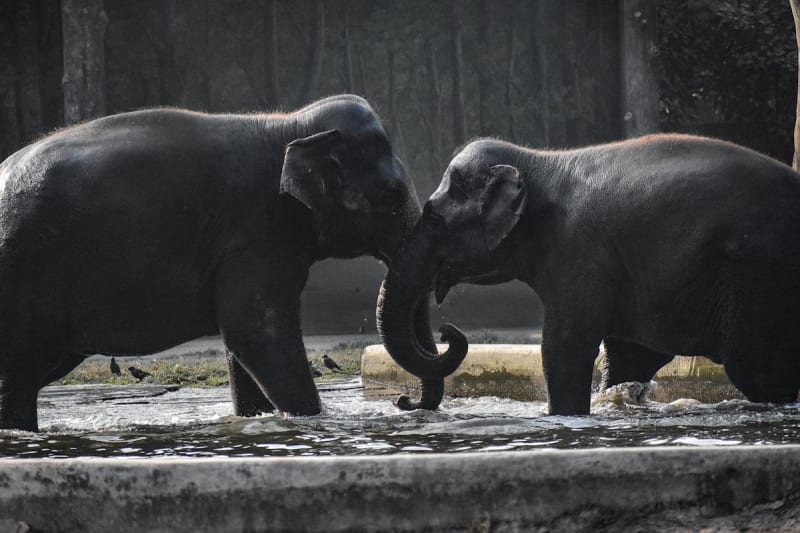
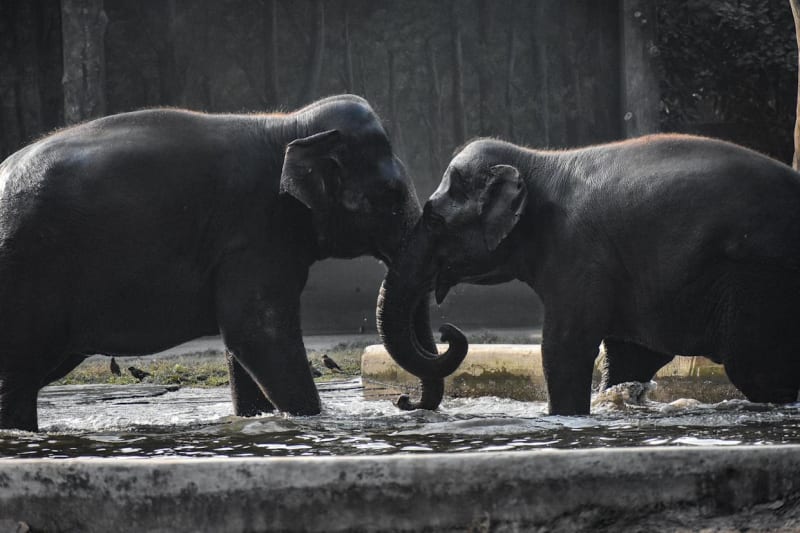
For Asian elephants alone, Colossal expects to bank cells from hundreds of different animals. That genetic variety could prove essential if wild populations continue declining.
The company brings serious resources to the table. Founded in 2021, Colossal reached a market value exceeding $10 billion by 2025. The U.A.E. recently invested $60 million as part of a $615 million funding round. Neither party will reveal the exact biobank budget, but they confirm it's over $100 million.
Why This Inspires
Other genetic libraries exist, including San Diego Zoo's 50-year-old Frozen Zoo with samples from 1,300 species. But the Colossal network will dwarf all previous efforts in both size and ambition.
The team envisions seven to 10 major biovaults distributed across biodiversity hotspots worldwide, with smaller regional facilities branching out from each hub. Different regions can preserve their own native species while contributing to the global network.
Seventy-five conservation groups are already partnering with Colossal to collect samples from wild animals. Those tissues get shipped to Dubai where scientists sequence the DNA, store the digital information, and freeze the physical samples at temperatures reaching negative 320 degrees Fahrenheit.
Human activity drives much of the current extinction crisis through habitat destruction and climate change. Roughly 30% of known species could disappear by 2050, according to the Center for Biological Diversity.
These biobanks work like genetic flash drives, copying and preserving species before it's too late. They give future generations tools our ancestors never had when passenger pigeons and dodos vanished forever.
"We are losing species at an alarming rate," says Ben Lamm, Colossal's co-founder and CEO. "The world urgently needs a true backup plan for life on Earth."
More Images


Based on reporting by Google: species saved endangered
This story was written by BrightWire based on verified news reports.
Spread the positivity!
Share this good news with someone who needs it