Duke Alzheimer's Drug Gives Patients More Time With Loved Ones
A three-year study at Duke University shows that an Alzheimer's drug called lecanemab is helping patients slow disease progression and hold onto precious time. Nearly 80% of patients continued treatment for a full year, offering new hope for those in early stages of the disease.
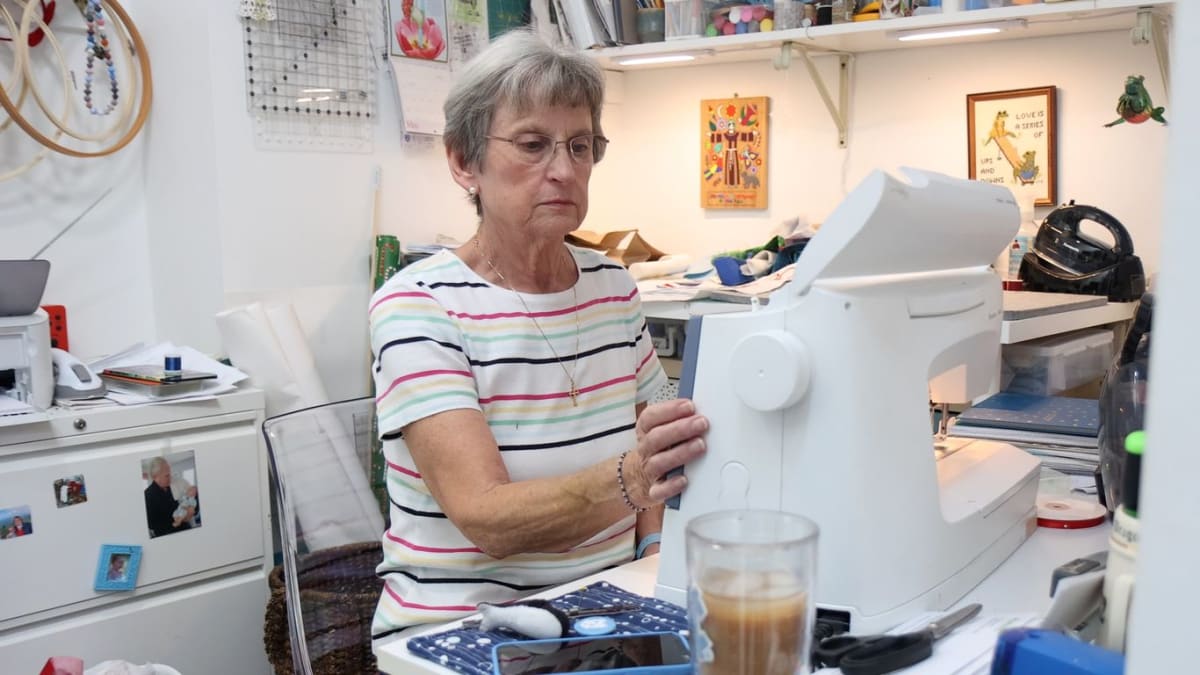
When Sally Osmer received her Alzheimer's diagnosis at 74, the news felt devastating, but within a month she started treatment at Duke University that gave her something she feared she'd lost: hope for the future.
Duke researchers just published the most comprehensive real-world study yet on lecanemab, an Alzheimer's drug that works by removing harmful protein buildup from the brain. The study followed 230 patients between 2023 and 2025, tracking both their progress and side effects.
The results show that 79% of patients stuck with the treatment for a full year. While 21% stopped due to side effects, these numbers matched exactly what clinical trials predicted before the FDA approved the drug in 2023.
"This is about buying time in a disease that takes it away," says Dr. Andy Liu, an associate professor at Duke University School of Medicine. The drug can't cure Alzheimer's, but it slows the progression for people caught in early stages with mild memory impairment.
Osmer says the treatment gave her more than slowed decline. "The prospect of having a slow decline but being physically healthy is very frightening," she explains. The infusions offered her "a sense of hope and a promise for a better future than we've assumed about Alzheimer's in the past."
The Bright Side
While one in four patients developed brain swelling or bleeding, these side effects didn't affect their cognitive performance at 12 months. Researchers monitored patients carefully with regular MRI scans and cognitive tests, learning valuable lessons about who faces higher risks.
Patients carrying a specific high-risk Alzheimer's gene were four times more likely to develop complications. This discovery helps doctors identify who needs extra monitoring, though researchers admit they still need better prediction tests.
About 400 patients have now received the therapy at Duke. Each infusion represents more breakfasts with grandchildren, more walks in the park, more moments that matter when time becomes the most precious gift.
The research, published Friday in Neurology Open Access, gives families facing Alzheimer's something they desperately need: real options backed by real-world evidence, not just clinical trial promises.
More Images



Based on reporting by Google News - Researchers Find
This story was written by BrightWire based on verified news reports.
Spread the positivity!
Share this good news with someone who needs it