Duke Injectable Gel Helps Stroke-Damaged Brains Heal in Mice
Scientists created an injectable gel that helped mice recover movement after severe strokes by recruiting immune cells to rebuild blood vessels and nerve tissue. Within eight weeks, treated mice walked as well as healthy mice.
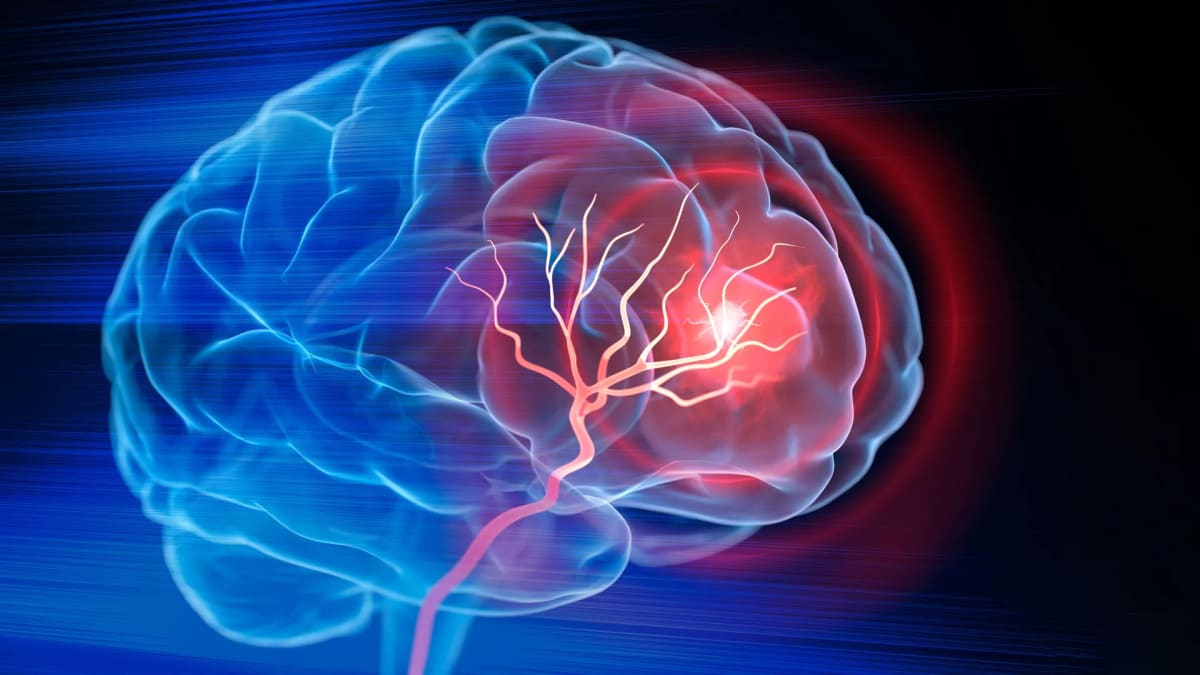
A gel injected into stroke-damaged brains helped mice regain normal movement by transforming a brain cavity into healing tissue. The breakthrough offers hope for millions who lose brain function to severe strokes each year.
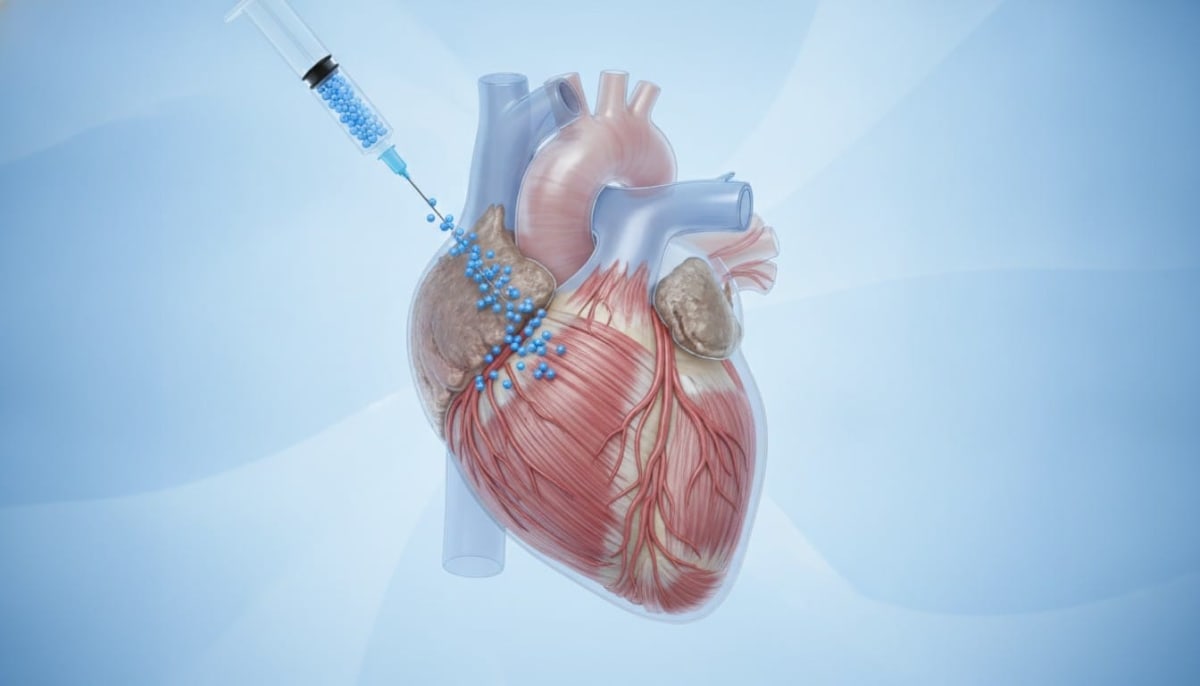
Biomedical engineers at Duke University created a scaffold made of tiny gel particles that assembled into a porous structure inside the stroke cavity. The material recruited the body's own immune cells, encouraged new blood vessels to grow, and supported nerve tissue regrowth.
The team built on a surprising discovery about neutrophils, immune cells usually blamed for causing inflammation damage after strokes. When these cells arrived later and encountered the right environment, they actually helped rebuild tissue instead of harming it.
Lead scientist Shangjing Xin and her colleagues collected signaling molecules from astrocytes, star-shaped brain cells that respond quickly to injury. They chemically attached these signals to the gel particles, keeping repair instructions concentrated where healing needed to happen.
Two signals, IL-4 and C1q, proved especially effective at attracting helpful immune cells. When researchers reduced neutrophil populations to test their importance, blood vessel formation dropped dramatically and the scaffold remodeled less successfully.
The treatment worked on multiple fronts at once. New blood vessels formed throughout the stroke cavity. Axons, the essential structures that let brain cells communicate, grew both inside and around the injured region.
Mice treated with the optimized scaffold performed better on walking tests designed to measure coordination mistakes. By eight weeks, their performance matched that of healthy mice, and the improvement lasted for the remainder of the study.
Professor Tatiana Segura explained that once brain tissue dies, restoring blood flow cannot replace what was lost. Severe strokes destroy substantial tissue, leaving cavities where healthy brain once existed.
Current treatments focus on emergency intervention with clot-dissolving drugs and procedures to remove blockages. These approaches can save tissue that's still viable, but they cannot rebuild regions already destroyed. Rehabilitation helps surviving circuits adapt but does not directly repair damaged areas.
The Ripple Effect: This research changes how scientists think about timing and environment in stroke recovery. The same immune cells that cause harm early on may support healing later when surrounded by the right signals and materials.
The Duke team is engineering local environments that coordinate several parts of the repair response simultaneously. Their approach keeps repair signals concentrated, giving incoming cells better opportunities to receive instructions and contribute to recovery.
The treatment represents a new strategy for severe strokes where substantial brain tissue has been lost. By creating conditions that allow immune, vascular, and neural repair processes to work together, the scaffold helps the body rebuild what was once considered permanently damaged.
Recovery is no longer limited to rehabilitation alone.
Based on reporting by Science Daily
This story was written by BrightWire based on verified news reports.
Spread the positivity!
Share this good news with someone who needs it