Stem Cells Restore Heart Function in 90% of Patients
A groundbreaking trial in China shows that stem cell therapy combined with bypass surgery restored heart function in 90% of patients with severe heart failure. The treatment could offer hope to millions who face a condition once considered irreversible.
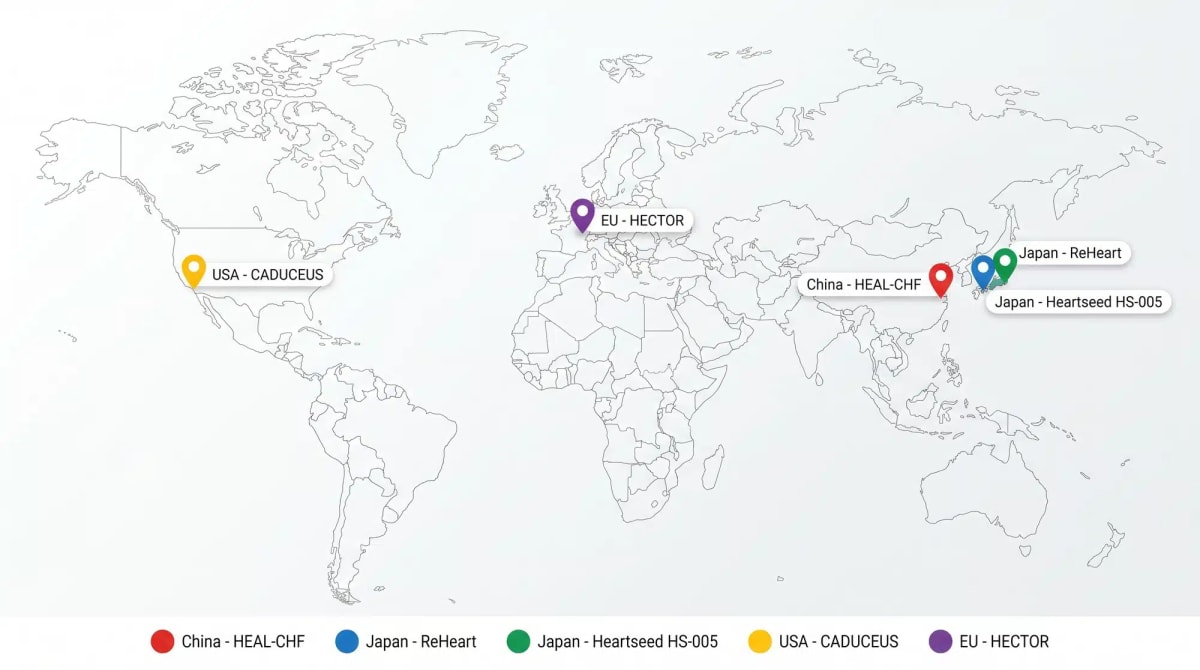
For the 6 million Americans living with severe heart failure, treatments have long been limited to medications that ease symptoms or a heart transplant that may never come. Now, researchers at Nanjing Drum Tower Hospital in China have shown that stem cell therapy can restore heart function in 90% of patients with advanced heart failure.
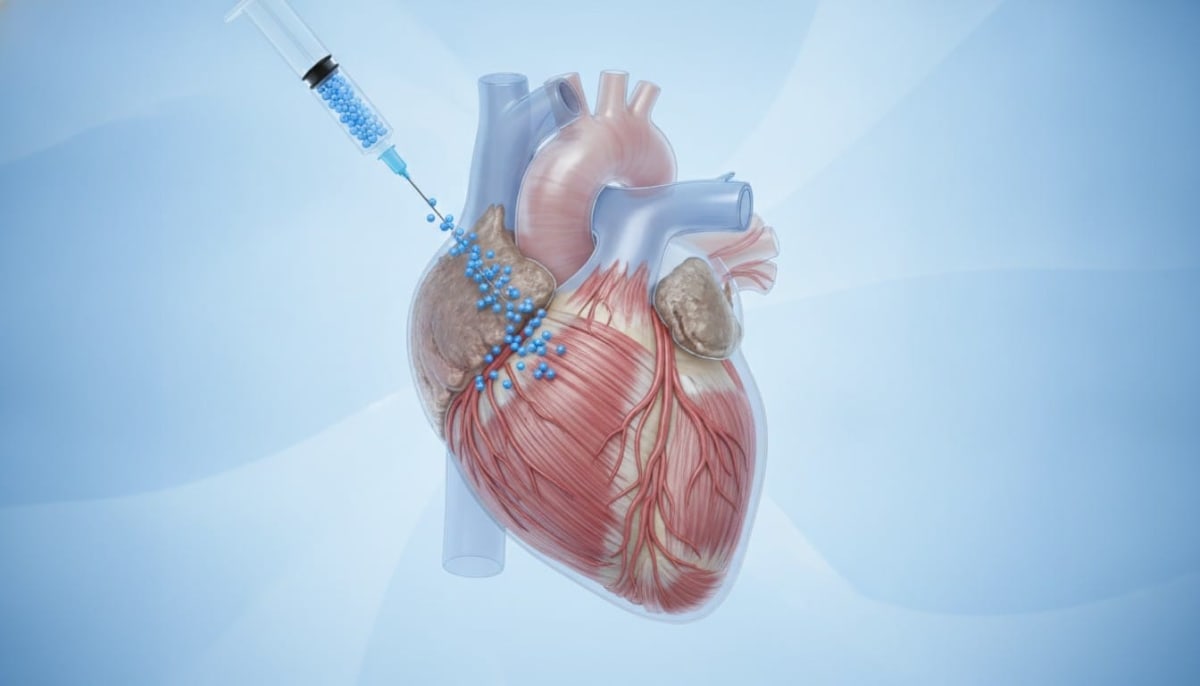
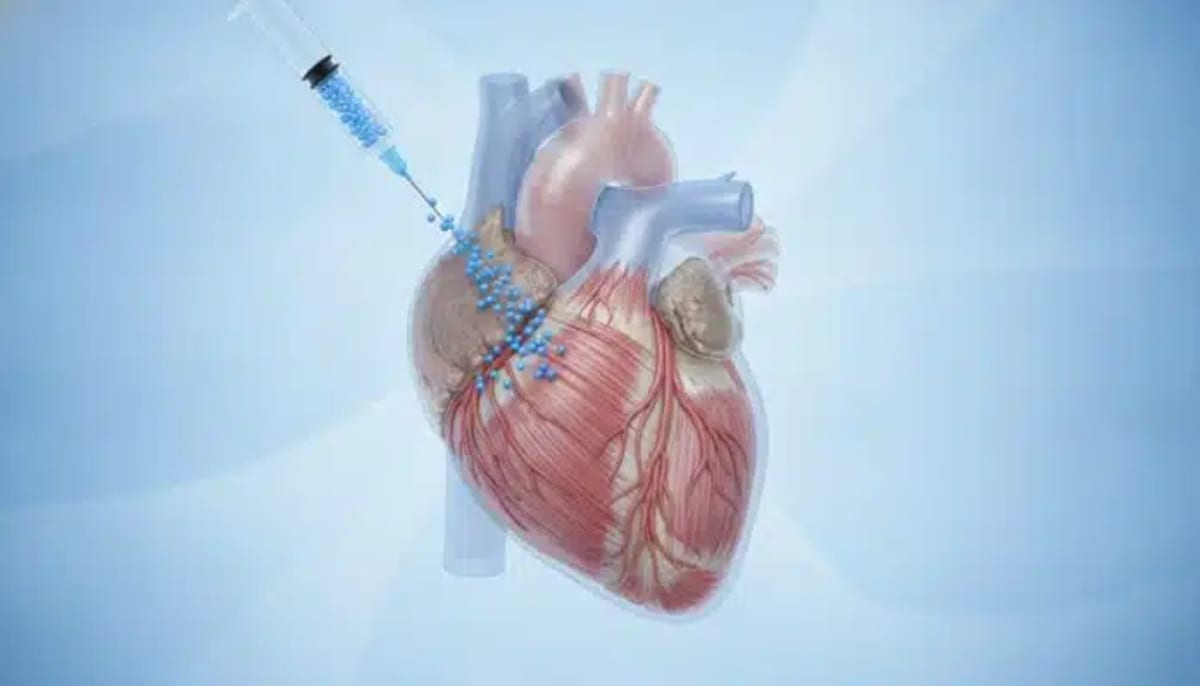
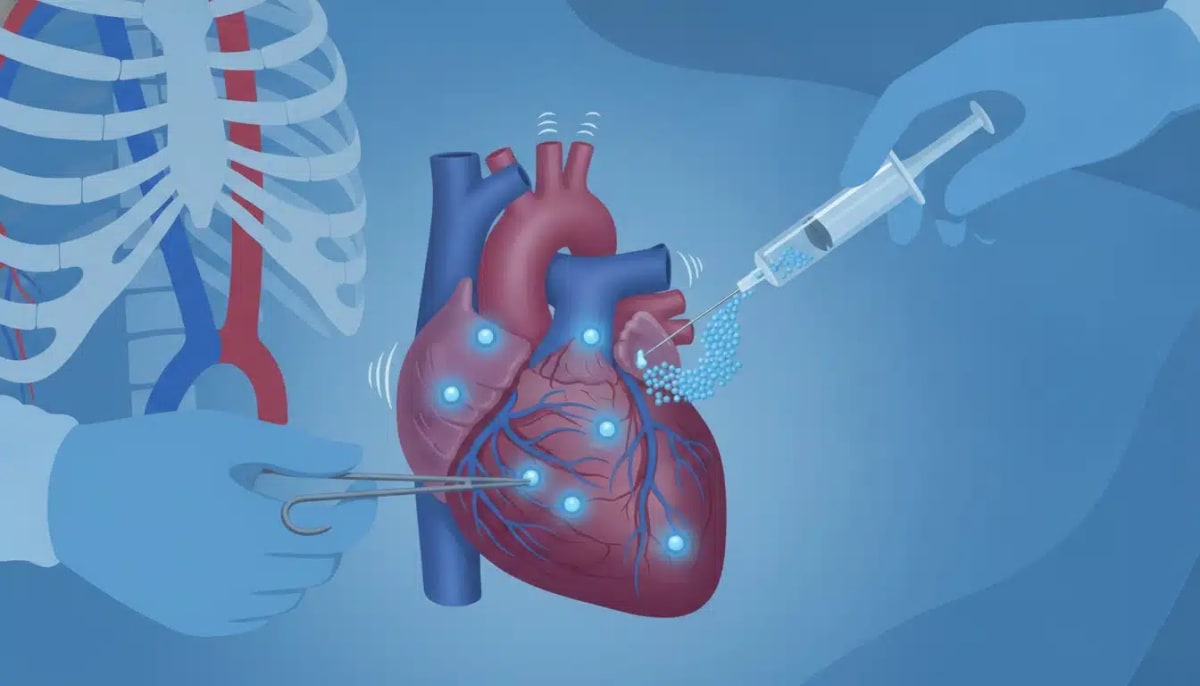
The HEAL-CHF trial, published in Nature Medicine, represents the largest controlled study using lab-grown heart muscle cells. Scientists combined traditional bypass surgery with injections of 100 million cardiomyocytes, specialized cells that make the heart beat.
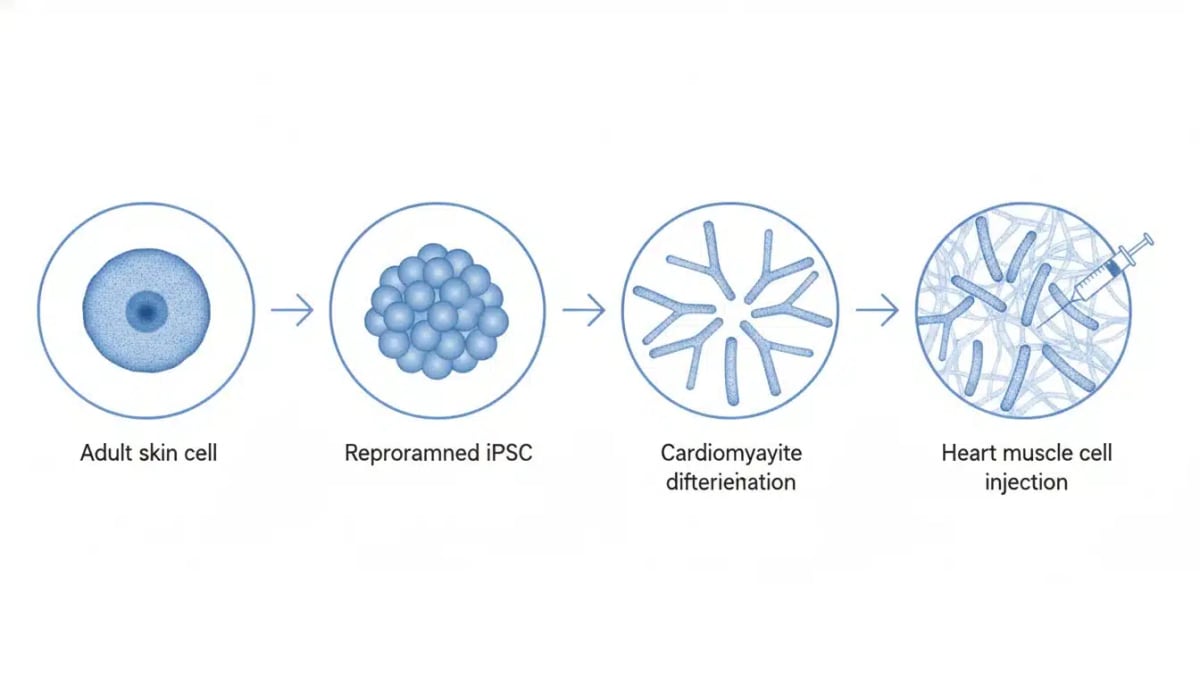
The process starts with ordinary skin or blood cells. Researchers reprogram them in the lab to become induced pluripotent stem cells, which can transform into virtually any cell type in the body. These cells are then coaxed into becoming cardiomyocytes and cultured by the billions before being carefully injected into damaged heart tissue.
Twenty patients with advanced heart failure participated in the trial. Ten received bypass surgery combined with the stem cell injections, while ten received bypass surgery alone. The results at 12 months were remarkable.
Ninety percent of patients who received stem cell therapy recovered to the point where they experienced only mild symptoms during normal daily activities. Only 60% of the control group reached this level of improvement. Patients in the cell therapy group walked nearly twice as far in standard walking tests compared to controls.
Even more encouraging, stroke volume increased in the treatment group, meaning their hearts pumped more blood with each beat. In the control group, this measure actually decreased. All 10 patients in the treatment group survived the full year, while one control patient died eight months after surgery.
Why This Inspires
Heart failure affects 6.2 million Americans and 13.7 million people in China. The five-year survival rate for advanced cases hovers around 50%, worse than many cancers. In the United States, only 3,500 heart transplants happen each year against a waiting list just as long.
This trial suggests that hearts once thought permanently damaged might actually heal themselves with the right support. The technology that enables this, induced pluripotent stem cells, won a Nobel Prize in 2012 and has finally reached the point where it could transform lives.
While this is still a small trial that needs larger studies to confirm the results, the implications are profound. The researchers are already planning phase 3 trials with hundreds of patients.
For millions facing a condition that leaves them breathless after walking just a few steps, this research offers something that's been in short supply: genuine hope for healing.
More Images
Based on reporting by Google: clinical trial success
This story was written by BrightWire based on verified news reports.
Spread the positivity!
Share this good news with someone who needs it