Duke Scientist's Civil Rights Fight Created Lemur Legacy
A zoologist arrested fighting segregation in 1963 won a landmark Supreme Court case and unexpectedly founded the world's largest lemur center. His story shows how standing up for justice can create ripples in unexpected places.
When Peter Klopfer walked into a North Carolina restaurant in 1963 as part of an integrated group, he couldn't have known that his arrest would change American law and bring Madagascar's lemurs to Duke University.
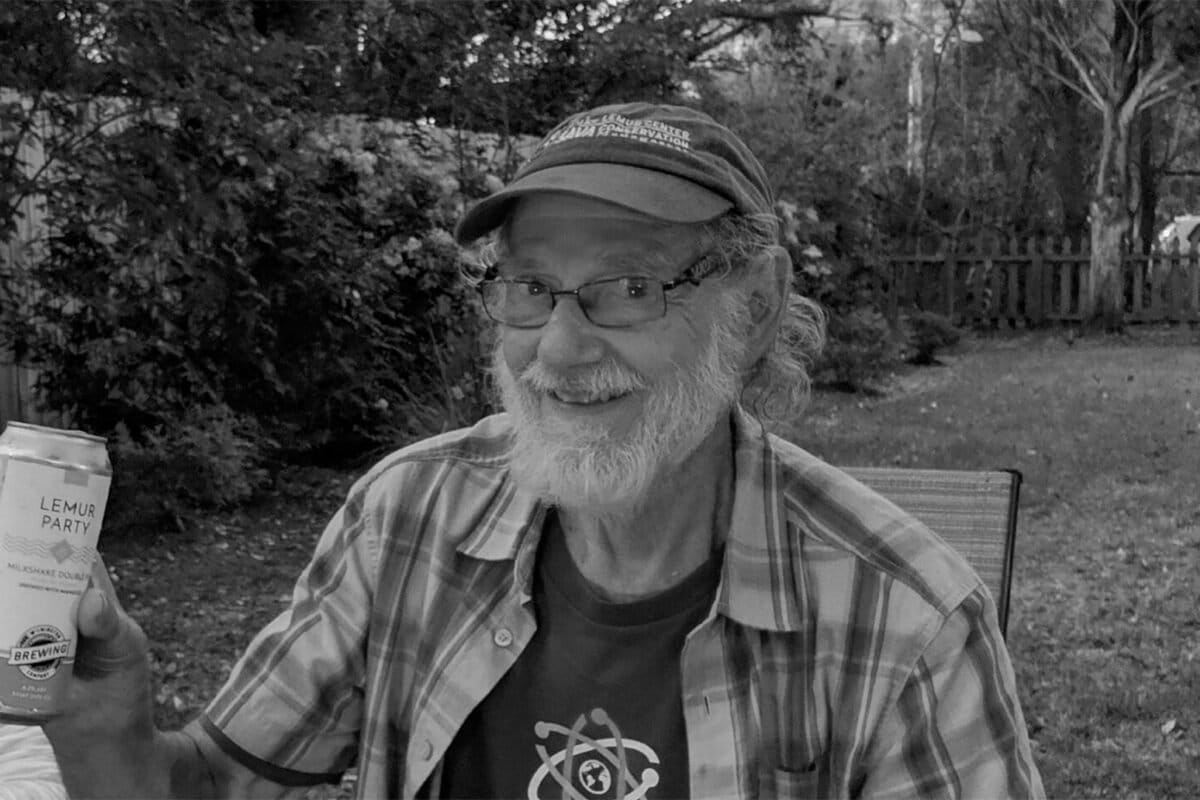
Klopfer, who died June 5th at 95, was a zoologist who spent nearly 70 years at Duke studying animal behavior. But before he became known for co-founding the Duke Lemur Center, he was a Quaker pacifist who refused to accept segregation in his new Southern home.
After moving to North Carolina in 1958, Klopfer and his wife Martha immediately noticed the separate drinking fountains and bathrooms at the airport. They refused to send their children to segregated schools and helped found an integrated school instead.
When student protesters were arrested and released late at night into hostile crowds, Klopfer organized rides to bring them safely back to campus. He argued that students shouldn't lose their campus jobs simply for being arrested during peaceful protests.
Then came the Watts Grill incident in Chapel Hill. Faculty members wanted to show that support for integration wasn't just for students. When Klopfer's integrated group tried to enter the restaurant, they were attacked in the parking lot before even getting inside.
He was charged with criminal trespass, but his case dragged on for years. After the Civil Rights Act passed, prosecutors kept the charge alive without bringing him to trial. The unresolved case hung over him like a shadow.
Klopfer fought for the right to have his case heard and dismissed. In 1967, the Supreme Court ruled unanimously in his favor. The decision in Klopfer v. North Carolina extended the Sixth Amendment right to a speedy trial to state courts across America.
The Ripple Effect
The Supreme Court victory meant prosecutors could no longer leave defendants waiting indefinitely under pending charges. It protected countless people from a form of punishment that required no verdict.
But the case had another unexpected outcome. As Klopfer's legal bills mounted, friends and colleagues raised money for his defense. One contributor was John Buettner-Janusch, a Yale professor studying lemur genetics.
When Buettner-Janusch later moved to Duke, Klopfer helped bring lemurs to campus for research. That small beginning grew into the Duke Lemur Center, now the world's largest collection of lemurs outside Madagascar and a crucial conservation resource.
Klopfer's children attended that integrated school their parents helped create. His legal victory protected the rights of millions. And his friendship with a fellow scientist, forged through a civil rights legal defense fund, created an institution that has studied and protected endangered primates for decades.
Sometimes standing up for what's right creates waves that reach farther than anyone imagined.
More Images

Based on reporting by Mongabay
This story was written by BrightWire based on verified news reports.
Spread the positivity!
Share this good news with someone who needs it