Duke Summit Unlocks Path to Trillion-Dollar Clean Energy
Nearly 500 leaders gathered at Duke University to solve how to finance the trillions needed for global clean energy. They're closing the funding gap that's been holding back climate solutions.
The biggest barrier to fighting climate change isn't technology anymore. It's money, and 500 of the world's brightest minds just spent a day figuring out how to fix it.
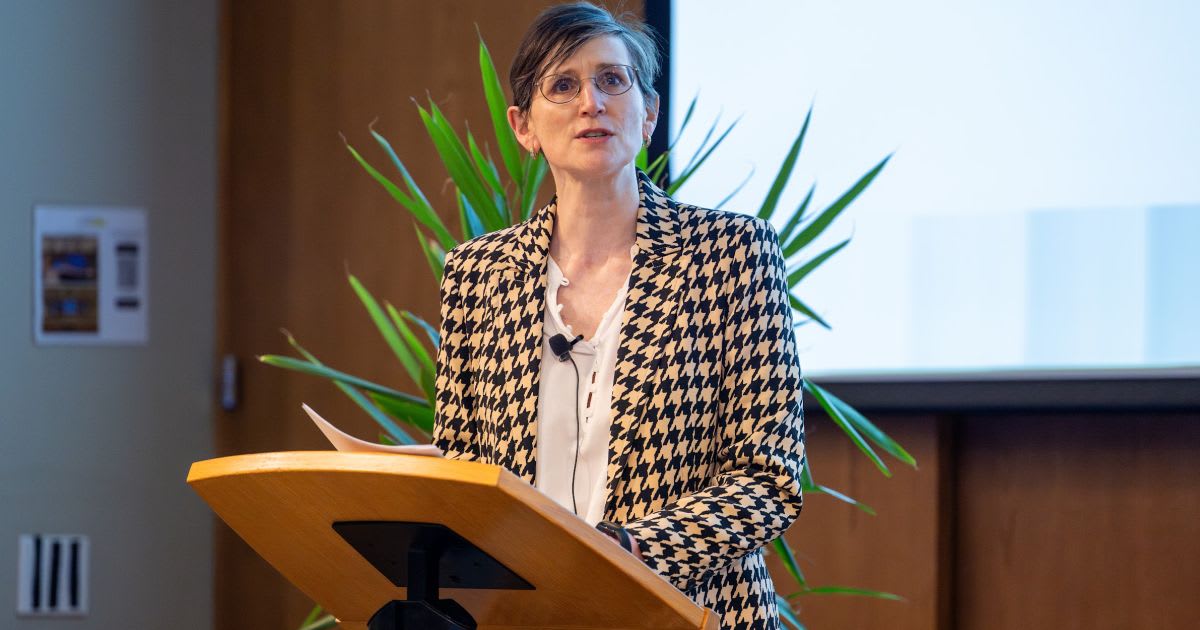
Duke University hosted its third annual "From Billions to Trillions" summit on February 25, bringing together energy experts, tech innovators, financial leaders, government officials, and academics. Their mission was clear: unlock the trillions of dollars sitting on the sidelines while promising clean energy projects struggle to get funded.
Former U.S. Energy Secretary Ernest Moniz identified the core problem. Venture capital loves funding experimental technologies in labs, and big investors pour money into proven projects already making money. But the innovations stuck in the middle, the ones ready to scale but not yet proven at massive scale, can't find anyone willing to write the check.
Duke's climate sustainability leader Toddi Steelman said the university serves as an "honest broker" bringing together groups that normally don't talk. Breaking down those walls between sectors and political parties is exactly what climate action needs right now.
The news gets better. Even though some incentives from the 2022 Inflation Reduction Act have weakened, private investment in clean energy keeps growing strong. The main roadblock now is regulatory red tape, especially the painfully long waits to connect new projects to the electrical grid.
An unexpected opportunity emerged from the discussion. The explosive growth of artificial intelligence and data centers is driving electricity demand through the roof. Instead of panicking, summit speakers see this as a chance to accelerate clean energy investment. Data centers can shift when they draw power, helping grids balance demand while cutting emissions.
The Ripple Effect
Two thirds of the world's population lives in emerging markets and developing economies. These countries face rising energy demands and worsening climate risks at the same time. Summit panelists tackled the tough barriers like unstable currencies and regulatory uncertainty, while sharing promising strategies to build pipelines of fundable clean energy projects in these regions.
Paul Elizondo, a general partner at P2 Hard-Tech Ventures, called it one of the rare gatherings that "squarely addressed the real barrier to climate progress." When hundreds of decision makers leave a room knowing exactly what needs to happen next, the trillions don't seem so impossible anymore.
The path from billions to trillions just got a whole lot clearer.
Based on reporting by Google News - Clean Energy
This story was written by BrightWire based on verified news reports.
Spread the positivity!
Share this good news with someone who needs it