Dutch Dictionary Drops "Shame Lips" for Body-Positive Term
The Netherlands' leading dictionary is adding a new, stigma-free word for labia after women's rights groups campaigned to replace terminology that literally translates to "shame lips." The change marks a major win for body positivity and how we talk about women's bodies.
Words matter, especially when they carry shame into everyday conversations about our bodies.
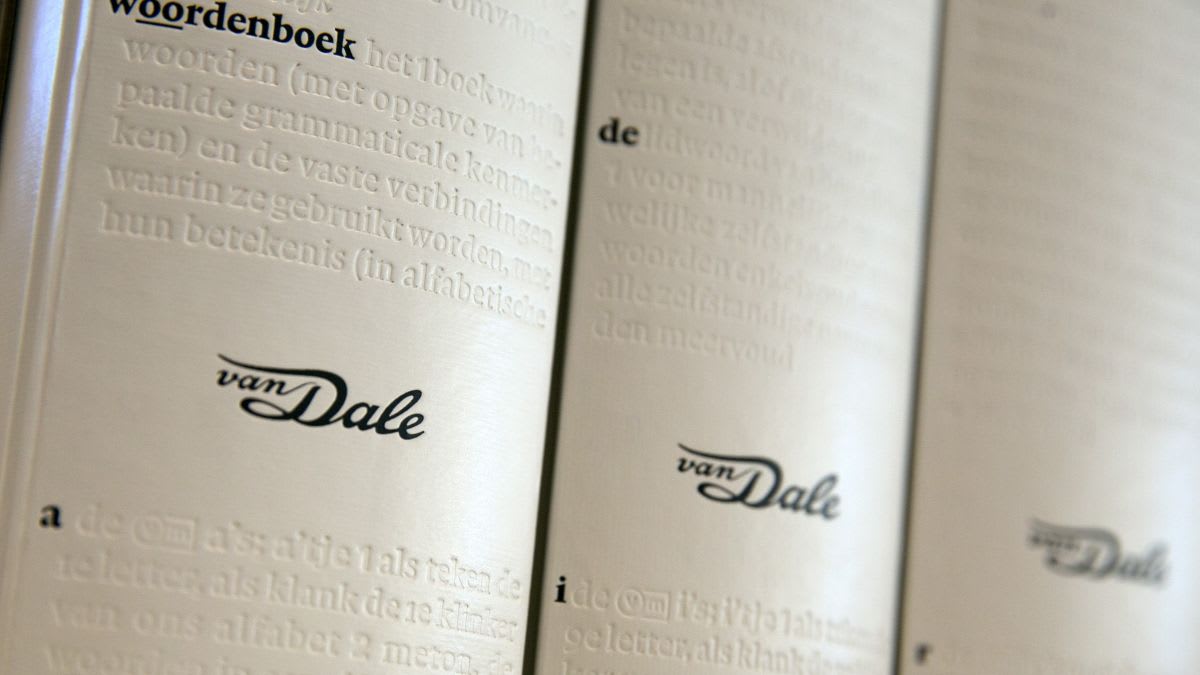
The Dikke Van Dale, the Netherlands' most respected dictionary, is adding "vulvalippen" (vulva lips) alongside the existing word "schaamlippen," which translates directly to "shame lips." The update, expected this fall, gives official status to a term that treats female anatomy as something normal rather than shameful.
Women's rights group Dolle Mina has been pushing for this change since 1969. They joined forces with Schaamteloos, a newer campaign focused on breaking taboos around female anatomy through language reform.
"We should just mention these parts in our education with children and young people," artist Esther van der Valk told Dutch broadcaster NOS. "People now know that this is a normal word, and with that we can break the taboo."
The "shame" problem runs deeper in Dutch. The language embeds shame into multiple words for anatomy that everyone has: "schaamhaar" (shame hair) for pubic hair, "schaambeen" (shame bone) for pubic bone, and "schaamstreek" (shame area) for the pubic region.
But activists chose to start with labia for a specific reason. "Everyone has pubic hair, a pubic bone, and a pubic area," Schaamteloos explains, but "only half of us have labia, which adds to a disproportionately large amount of trouble due to the taboo on talking about this."
Some Dutch doctors and media outlets already use "vulvalippen" in practice. Official dictionary recognition will help the neutral term spread into everyday conversation.
Why This Inspires
This story shows how advocacy can reshape culture at its most fundamental level. Language doesn't just describe our world. It shapes how we think about ourselves and each other.
By making female anatomy something you can discuss without built-in shame, Dutch activists are creating space for healthier conversations between parents and children, in doctors' offices, and in classrooms. That matters for everything from sexual health education to body image to medical care.
The activists didn't wait for permission or consensus. They simply started using better language and pushed until institutions caught up.
One word down, a shame-free vocabulary to go.
Based on reporting by Dutch News
This story was written by BrightWire based on verified news reports.
Spread the positivity!
Share this good news with someone who needs it