Dutch Firm Builds AI Marine Hub in Singapore
A Dutch technology company is launching an AI-powered platform in Singapore that could transform how offshore projects understand ocean floors. The system will speed up analysis that currently takes weeks, making coastal construction safer and more cost-effective.
Understanding what lies beneath the ocean floor just got a whole lot faster, thanks to a new AI platform launching in Singapore.
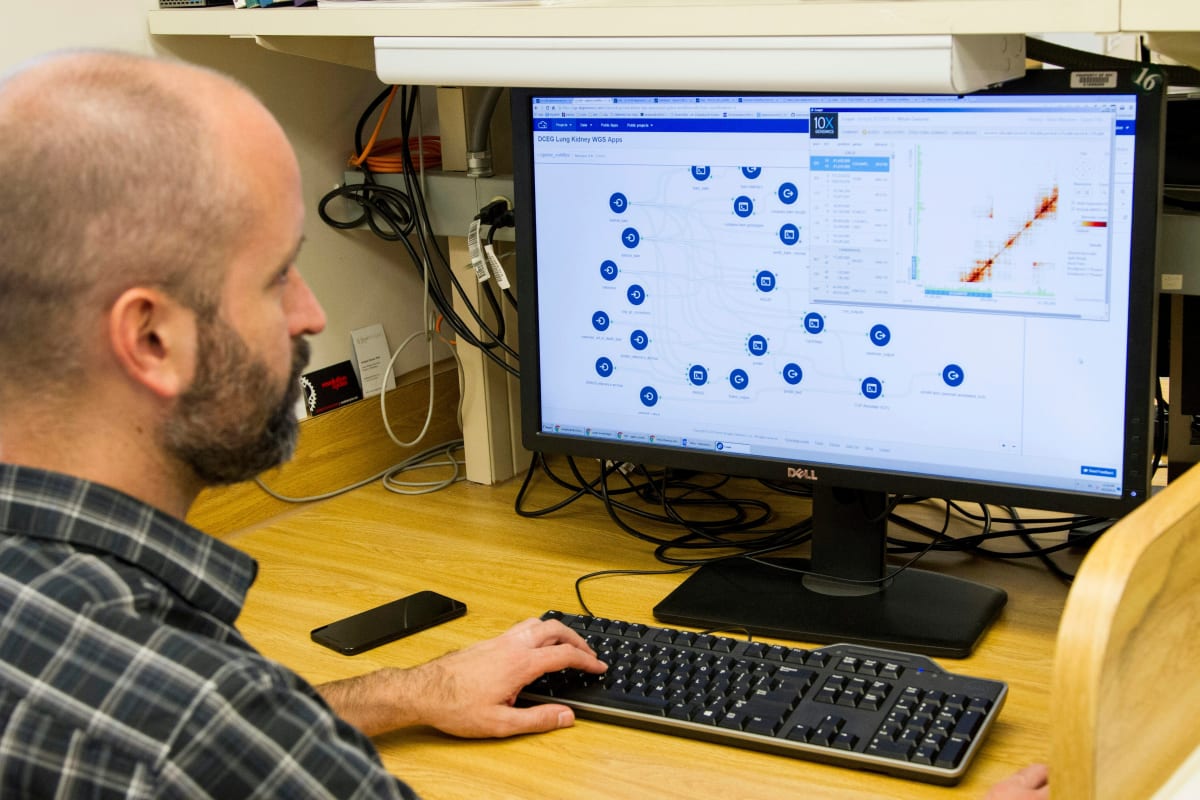
Dutch geo-data specialist Fugro is building an innovative marine digital twin hub that combines artificial intelligence with ocean floor mapping. The platform will merge underwater surveys, soil samples, lab results, and imaging into one digital system that can analyze seabed conditions in a fraction of the time it takes today.
The Singapore Economic Development Board is backing the project with a grant, recognizing its potential to transform offshore construction across Asia Pacific. Right now, marine engineers spend countless hours manually piecing together separate datasets to understand underwater terrain before building wind farms, oil platforms, or coastal infrastructure.
Fugro's AI system automates that tedious work, using machine learning to instantly integrate and interpret data that once required weeks of expert analysis. The technology delivers ground intelligence during the critical early stages of projects, when understanding seabed conditions can make or break foundation designs and budgets.
"As offshore projects become increasingly complex, the ability to turn data into actionable insights is more important than ever," said Safri Drahman, Fugro's regional director for marine site characterization in Asia Pacific. Singapore will serve as the launchpad, with new local jobs being added in AI, data science, and digital engineering as the platform grows.
The company already proved the concept earlier this year with its GeoAI Framework, which accelerates analysis of underwater surveys and remote sensing data. Some geohazard and habitat assessments now finish ten times faster than traditional methods, helping protect both construction crews and marine ecosystems.
The Ripple Effect
This breakthrough arrives at a perfect time. Asia Pacific is experiencing a boom in offshore wind farms and coastal development projects as nations race to meet clean energy goals and adapt to rising sea levels.
Faster, more accurate seabed analysis means safer construction, lower costs, and better environmental protection. Projects that once stalled for months waiting for site assessments can now move forward with confidence, accelerating the region's transition to renewable energy.
The Singapore hub represents more than just one company's expansion. Fugro has been steadily building its technology presence there, recently opening an underwater robot testing facility for equipment validation. The city-state is becoming a genuine innovation center for ocean technology, attracting talent and investment from across the region.
The advance also promises to democratize access to sophisticated marine analysis, potentially helping smaller nations and companies tackle coastal projects they couldn't afford to properly assess before.
As climate change makes coastal resilience more urgent and offshore renewable energy more essential, tools that help us understand and work with ocean environments safely become invaluable investments in our collective future.
More Images

Based on reporting by Google News - Singapore Technology
This story was written by BrightWire based on verified news reports.
Spread the positivity!
Share this good news with someone who needs it