Dutch Flower Industry Exports Ideas, Not Roses Anymore
The Netherlands stopped growing roses but still dominates the global flower trade through genetics, robotics, and supply chain expertise. The country is exporting the brains of the operation instead of the blooms.
The Netherlands barely grows roses anymore, yet Dutch expertise shapes every rose sold from Tokyo to São Paulo.
This isn't a story of decline. It's a story of brilliant evolution in a $60 billion global flower industry that keeps growing every year.
Ruud van der Vliet, a leading voice in floriculture strategy, explains the shift with a simple observation: Dutch roses disappeared from greenhouses years ago, but Dutch genetics, technology, and logistics knowledge now power rose farms across Ethiopia, Kenya, Ecuador, and Colombia. The Netherlands transformed from the world's garden into the world's gardening professor.
The economics tell the story clearly. Labor and logistics costs in Europe kept climbing while flower prices stayed flat. Dutch growers faced a choice: compete on volume or compete on knowledge.
They chose knowledge, and the results speak for themselves. Dutch flower and plant exports still exceed $7 billion annually, representing over 10 percent of global trade. No other country comes close.
Van der Vliet points to four areas where Dutch expertise now leads: breeding new varieties with better colors and longer vase life, precision climate control systems that optimize every aspect of growth, greenhouse automation and robotics that increase efficiency, and supply chain architecture that moves delicate flowers across continents without losing quality.
Companies like De Ruiter Innovations exemplify this model. They develop intellectual property that takes years to master and cannot be easily copied. Meanwhile, Dutch technology firms export entire growing systems to new production regions worldwide.
The Ripple Effect
This transformation mirrors what already happened in Dutch vegetable farming. Tomatoes and peppers migrated to Spain, Morocco, and Mexico, but the greenhouse designs, irrigation systems, and organizational frameworks stayed Dutch. The Netherlands became the brain of a globally distributed network.
Now the same pattern is reshaping ornamental flowers. Ethiopian and Kenyan farms use Dutch-developed varieties in greenhouses built with Dutch technology, organized through Dutch logistics models. Production moved closer to consumers, but the expertise that makes it all work remained in the Netherlands.
The global flower market keeps expanding, driven by something fundamental: people's need for beauty and nature in increasingly urban environments. Cut flowers alone will grow from $37 billion in 2025 to $39 billion in 2026, while potted plants are growing even faster.
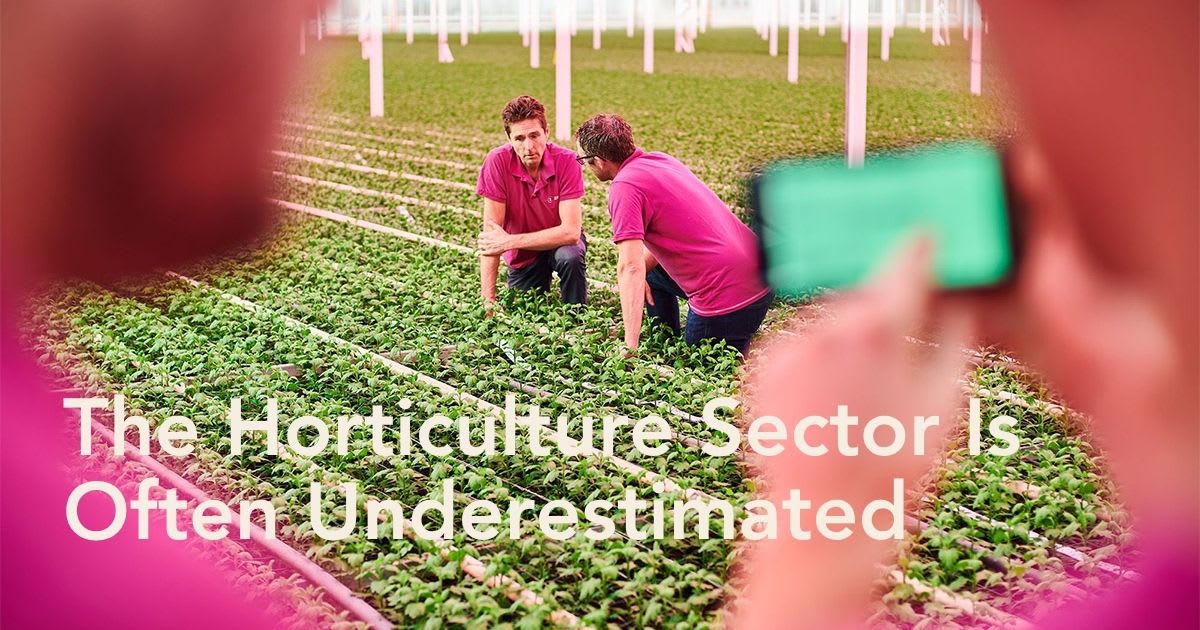
Van der Vliet believes the industry often gets underestimated despite its resilience and consistent growth. People want living environments that feel genuinely alive, and that demand shows no signs of slowing.
The Dutch figured out how to profit from that demand without growing every flower themselves. They realized their real competitive advantage wasn't cheaper production but irreplaceable knowledge.
Sometimes the smartest move is knowing what to stop doing so you can focus on what only you can do best.
Based on reporting by Google News - Netherlands Technology
This story was written by BrightWire based on verified news reports.
Spread the positivity!
Share this good news with someone who needs it