Dutch Legal Cannabis Year One: Zero Crime, 42 Violations
The Netherlands completed its first year of legal cannabis sales with zero criminal infiltration among licensed growers. What started as a decades-old policy headache is showing early signs of a workable solution.
After 50 years of selling cannabis legally while buying it illegally, the Netherlands just proved a better way might actually work.
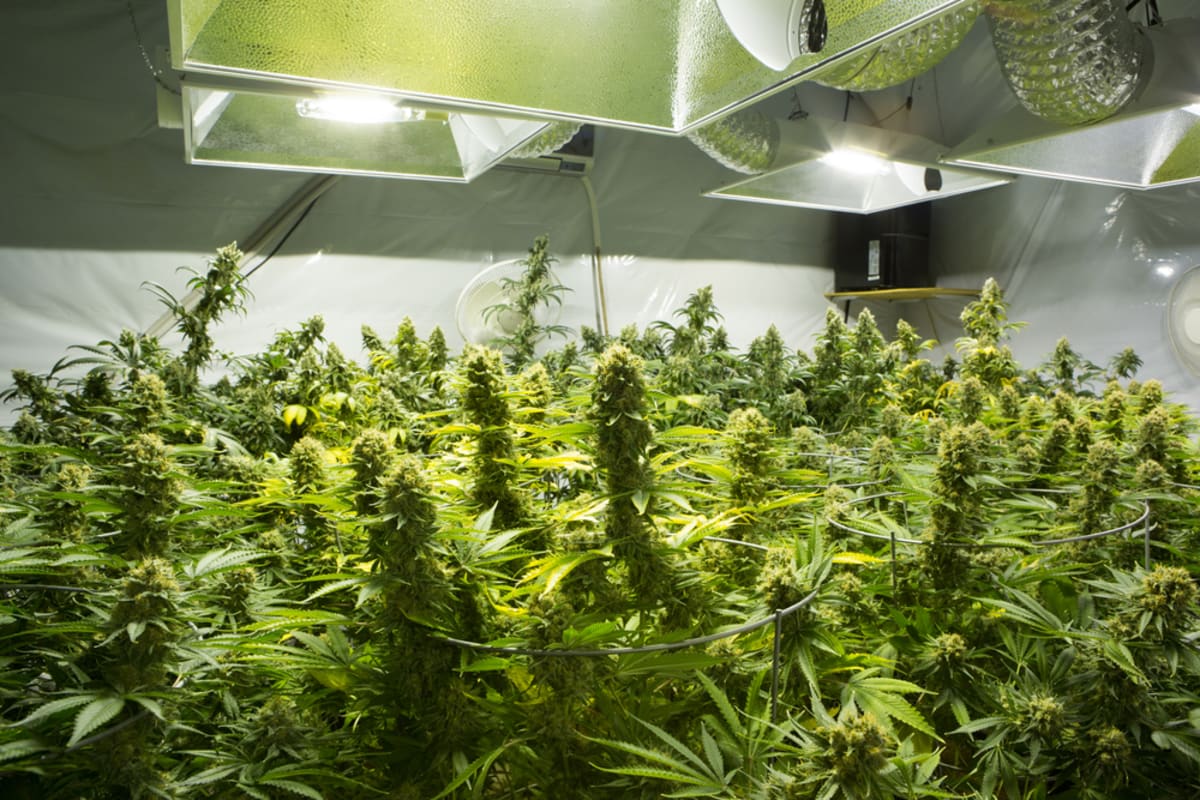
The country's first full year of regulated cannabis production wrapped up with encouraging news. Ten licensed growers supplied 80 coffeeshops across cities like Breda, Groningen, and Maastricht without a single connection to criminal networks.
Inspectors conducted 46 site visits since the experiment launched last April. Their mission was simple: make sure legal growers stayed legal. The verdict? No signs of organized crime anywhere in the supply chain.
The violations that did occur were mostly paperwork and security issues. Growers missed entries in the mandatory tracking system or fell short on requirements like proper fencing and badge-only staff access. Nothing that threatened the experiment's core goal.
Inspectors issued 19 warnings and four fines ranging from €1,000 to €20,000. In context, 42 violations across 10 facilities over 12 months suggests companies taking compliance seriously.
The system treats cannabis like pharmaceuticals. Every plant gets a unique tracking code from seed to sale. Growers maintain certified perimeter fencing and keycard-controlled entry points. It's the kind of oversight that was impossible when suppliers operated in the shadows.
The inspection regime ramped up dramatically. Coffeeshop visits jumped from eight in 2023 to 145 in 2024, then 375 in 2025. Regulators clearly learned that oversight matters most in the early phases.
The Bright Side
For five decades, Dutch coffeeshops existed in a legal contradiction. Selling cannabis was tolerated, but every product entered through a criminal "back door" because production remained illegal. Shop owners had to source from illegal growers, creating an unsolvable policy problem.
This experiment finally addresses that gap. The 10 participating municipalities are proving you can regulate cannabis from cultivation to counter without feeding organized crime. It's early, but the model is holding.
The experiment runs until 2029, giving researchers years of data on whether legal supply chains can completely replace illegal ones. Hashish supply remains complicated, and some opposition parties still resist the program entirely.
But one year in, the evidence points toward progress that seemed impossible just a few years ago.
Based on reporting by Dutch News
This story was written by BrightWire based on verified news reports.
Spread the positivity!
Share this good news with someone who needs it