Dutch Navy Leads Europe with AI Drones and Robot Ships
The Netherlands is transforming naval defense with autonomous boats, underwater robots, and AI drones that keep sailors safe. Within five years, unmanned systems will handle more than half of the Dutch military's operations at sea.
Imagine a warship protected by a ring of robot guardians that need no crew, no sleep, and never lose focus.
That's the vision Captain Sjoerd Feenstra is bringing to life off the coast of Den Helder in the Netherlands. His team is testing boats, underwater vehicles, and flying drones that operate without anyone onboard.
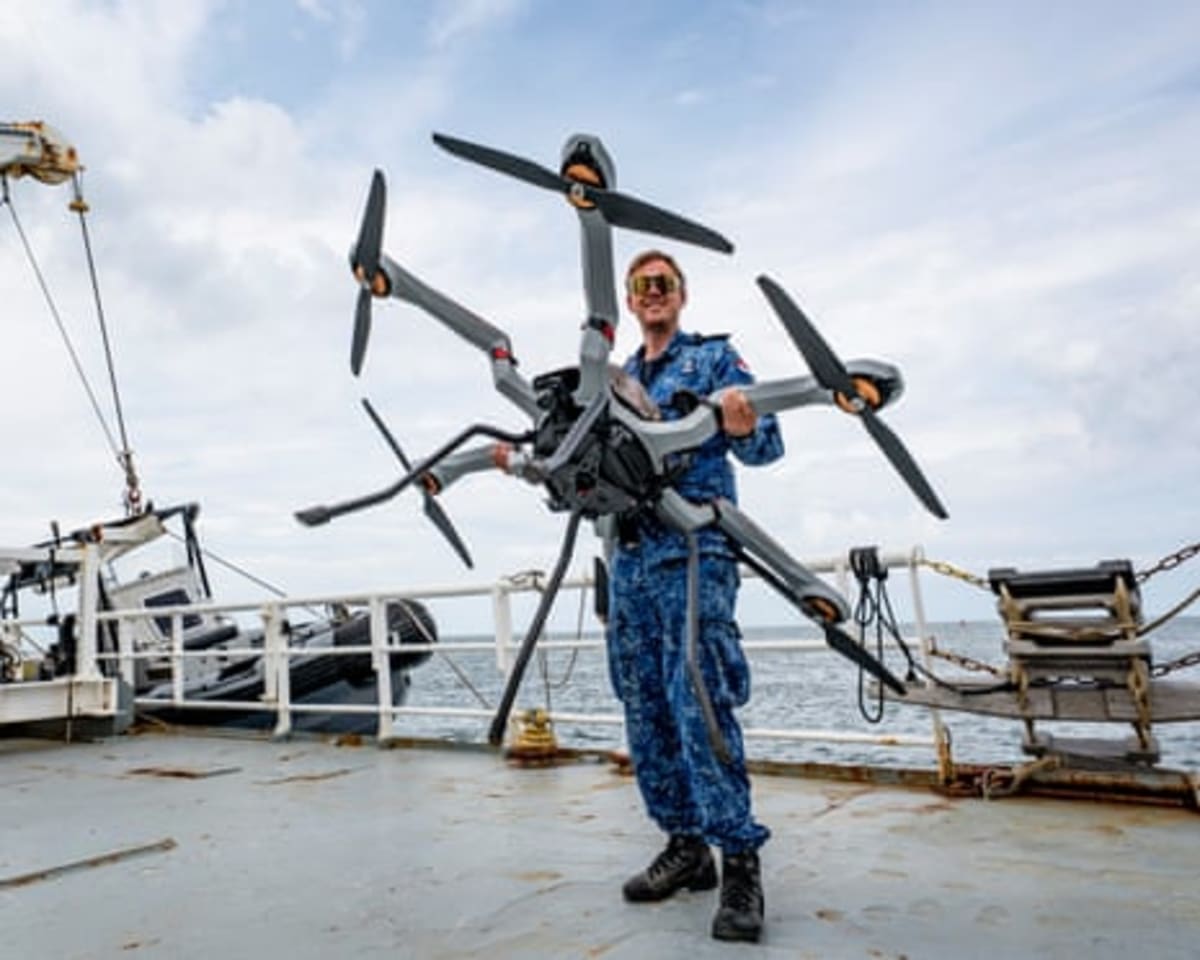
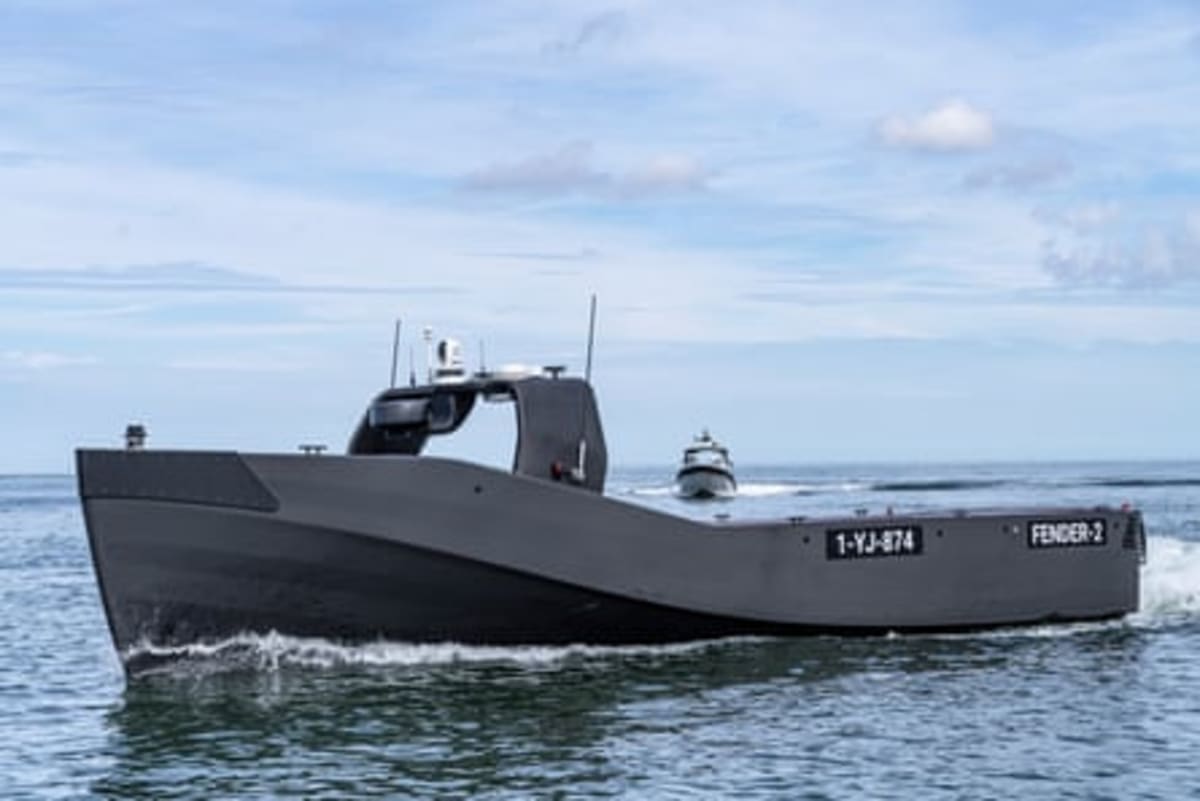
The Defender vessels glide silently beside target ships, their cameras watching constantly. Above them, bat-shaped drones soar while insect-like Noa drones hover nearby. Below the surface, robotic mappers scan for underwater mines.
Feenstra leads the Dutch navy's expertise center for unmanned systems. He says the goal is simple: keep people out of danger zones.
"In about 10 years there will be crewed platforms surrounded by a ring of uncrewed systems operating as autonomously as possible," he explains. The work can be incredibly dangerous, and some jobs are mind-numbingly boring for humans.
The Netherlands isn't alone in this shift. The UK plans to spend over $6 billion on similar technology in the next five years. But the Dutch are leading the pack with an ambitious promise: unmanned systems will handle more than half their naval operations within five years.
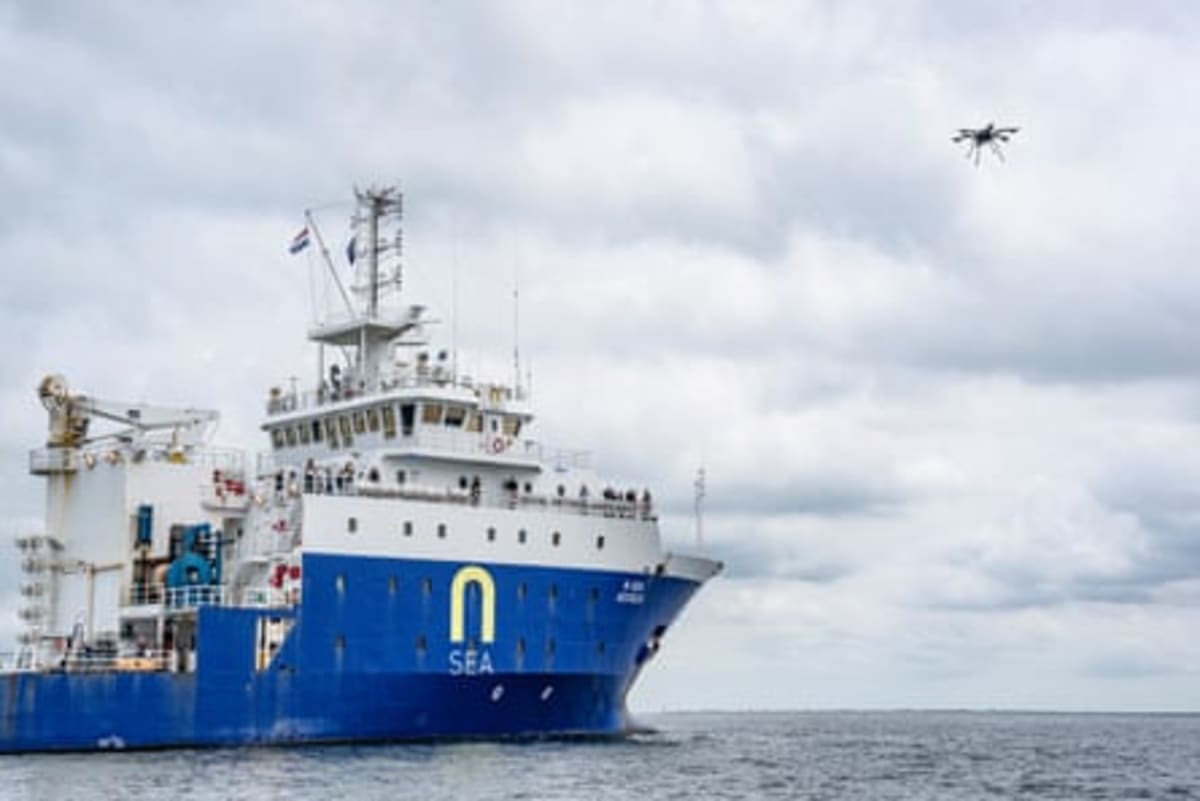
Their testing base is the GeoSea vessel, once used to monitor windfarms. Now it serves as mission control for a modular system that can swap in new technology as it develops.
Why This Inspires
Naval analyst Lee Willett says the Dutch are punching above their weight and inspiring other nations. Despite being a relatively small navy, they're advancing technology that matters for protecting crucial North Sea and Baltic Sea regions.
The approach also solves a very human problem. Countries across Europe face labor shortages, and military service means long stretches away from family. Unmanned systems don't eliminate the need for people, but they change the equation.
"You tend to need more engineers, but they provide a different balance in terms of family life," says Sidharth Kaushal from the Royal United Services Institute in London. Parents can work on naval defense without spending months at sea.
The Dutch are careful about ethics, too. A person always remains in the decision-making chain, especially for weapons. Ferdinand Peters, the software integration lead, puts it clearly: "We need to let the system work for you, but not think for you."
The technology isn't perfect. AI can generate false results, and technical failures happen. But after 40 years of using semi-autonomous defense systems, the Dutch understand the risks.
The future of naval defense is arriving in the waters off Den Helder, and it's keeping more sailors safely on shore with their families.
More Images

Based on reporting by Google News - Netherlands Technology
This story was written by BrightWire based on verified news reports.
Spread the positivity!
Share this good news with someone who needs it