Dutch Office Turns Urine Into Electricity and Fertilizer
A Netherlands water board turned their office toilets into a power source that charges electric cars while recovering valuable nutrients for fertilizer. The bacteria-powered system shows how waste can become a resource.
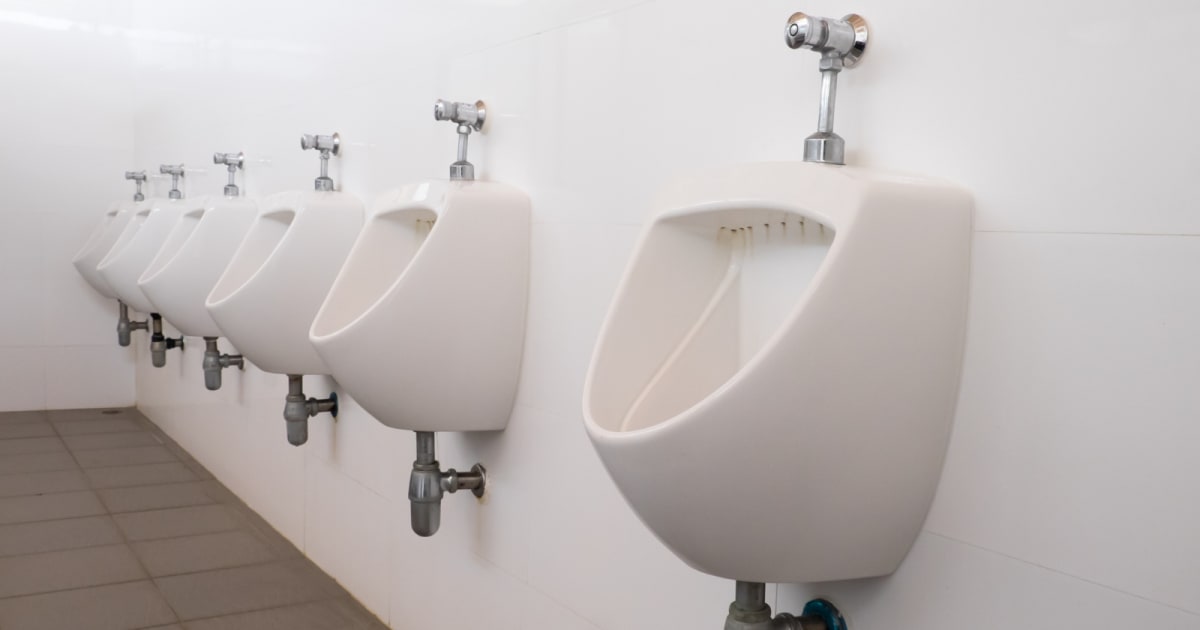
Two hundred sixty men at a Dutch water board just helped power electric cars by using a special urinal. Their office bathroom became a mini power station that also captures fertilizer ingredients, turning waste into resources with zero moving parts.
The pilot project at Friesland Water Board in Leeuwarden pipes urine into a shipping container packed with bacteria-filled cells. These microbes break down organic matter naturally, releasing electrons that flow through wires as electricity. The same process captures phosphate and ammonia, which are key fertilizer ingredients.
The output powers the company's electric vehicles for about 50 kilometers each day. That's while pulling valuable nutrients from the waste stream before it gets diluted into regular sewage.
Here's why this matters more than you might think. Urine contains up to 90 percent of all nitrogen in household wastewater, and up to 80 percent of phosphorus and potassium. Those three nutrients are printed on every bag of fertilizer you buy at the store.
Right now, sewage plants burn energy destroying that nitrogen, while fertilizer factories burn natural gas making more of it elsewhere. This system skips both wasteful steps by catching nutrients at the source.
The technology uses what researchers call microbial fuel cells. Bacteria already strip electrons from organic matter to survive. Scientists just replaced their normal oxygen supply with a carbon electrode. When the electrons flow to a second electrode across a membrane, they travel through wires, creating electric current without any turbines or combustion.
Research from Wetsus, the water technology center behind the project, shows the system makes more electricity than the nutrient recovery process uses. Tests with real urine recovered over three grams of nitrogen per square meter of membrane daily, with energy left over.
The same setup can be tweaked to produce hydrogen gas instead of electricity. That version needs a small voltage boost but creates fuel that can be stored in tanks rather than used immediately.
The Ripple Effect
The biggest challenge isn't the science, which has been proven at labs across Britain, the Netherlands, and China since 2012. The real obstacle is plumbing. Most buildings mix everything together and flush it away as fast as possible, diluting the valuable urine stream with shower water and other waste.
Separate the pipes at the toilet, though, and the bacteria are ready to work. They've been waiting for about three and a half billion years.
Small-scale tests at universities and festivals show the concept works in real settings. A University of the West of England campus urinal ran 288 fuel cells averaging 75 milliwatts, enough to power lights inside bathrooms. A Glastonbury Festival setup with 432 cells served a thousand users daily.
The Dutch pilot proves this technology can scale beyond lab benches into actual office buildings. As architects and builders start thinking about separate plumbing systems, millions of bathroom breaks could become millions of small contributions to cleaner energy and smarter nutrient recovery.
More Images
Based on reporting by Google News - Netherlands Technology
This story was written by BrightWire based on verified news reports.
Spread the positivity!
Share this good news with someone who needs it