Dutch Police Seek Recognition After Moluccan Apology
A month after the Netherlands apologized to the Moluccan community for decades of mistreatment, 100 former police officers are asking for recognition too. They say they were ordered to enforce harsh policies that hurt everyone involved.
Sometimes healing requires acknowledging pain on all sides of a difficult history.
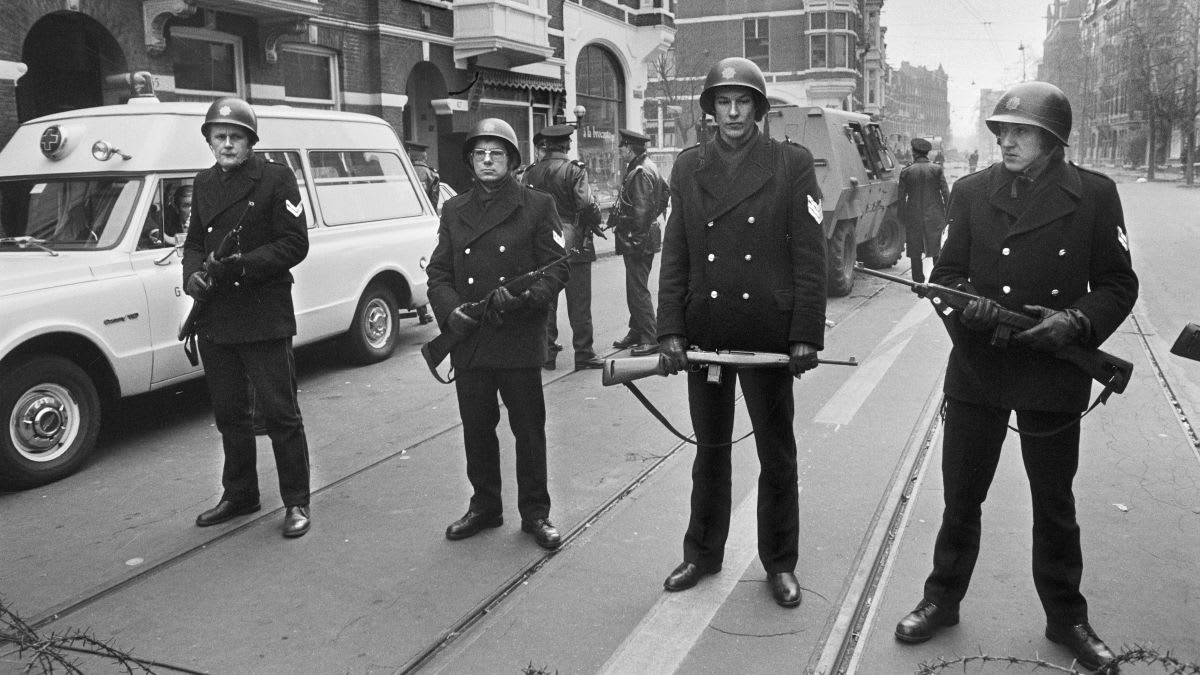
About 100 retired Dutch police officers have filed a petition seeking official recognition for their experiences during violent confrontations with young Moluccans in the 1970s. The request comes just one month after Prime Minister Rob Jetten formally apologized to the Moluccan community for the government's treatment of them.
The officers say they were ordered to enforce a hardline policy that made tensions worse. Now that the government has admitted those policies were wrong, they want acknowledgment that police suffered consequences too.
Ed Jissink, 76, is one of four retired officers who filed the petition with Assen city council. He described a tense period when officers' homes were firebombed and patrol cars were ambushed with gunfire. Some colleagues later developed PTSD or died by suicide.
The roots of the conflict stretch back to 1951, when the Netherlands brought 12,500 Moluccans to the country on a temporary basis. These were soldiers who had fought alongside the Dutch in Indonesia's war of independence, along with their families. They were housed in camps, including former concentration camps, with promises they could return home.
When it became clear the Netherlands wouldn't support an independent Moluccan republic, frustration erupted into violence. The worst incidents included a 1977 train hijacking that left eight people dead and a 1978 hostage situation at a government building that killed two more.
Jissink's own perspective shifted in 1974 when he witnessed how stateless Moluccans were treated. He later refused to participate in a training exercise that involved practicing live fire on demonstrators. The police ended that program.
Why This Inspires
What makes this petition powerful is that it doesn't ask for recognition at the expense of others. John Wattilete, president of the Moluccan government in exile, supports the officers' request "without diminishing Moluccan suffering." He says both groups were used to manage what was fundamentally a political failure.
Wattilete is calling for a full investigation into the government's role during that era. The national police force has said the officers' request deserves a serious response.
Jissink hopes the lessons from this period will be remembered now that politicians are again calling for tougher treatment of certain migrant groups. His message is clear: harsh policies create suffering that echoes for generations, touching everyone involved.
Sometimes the path to real healing means creating space for multiple truths at once.
Based on reporting by Dutch News
This story was written by BrightWire based on verified news reports.
Spread the positivity!
Share this good news with someone who needs it

%2Ffile%2Fauthors%2F1891279819693498821.jpg)