Dutch Town Built Every Euro Banknote Bridge in Real Life
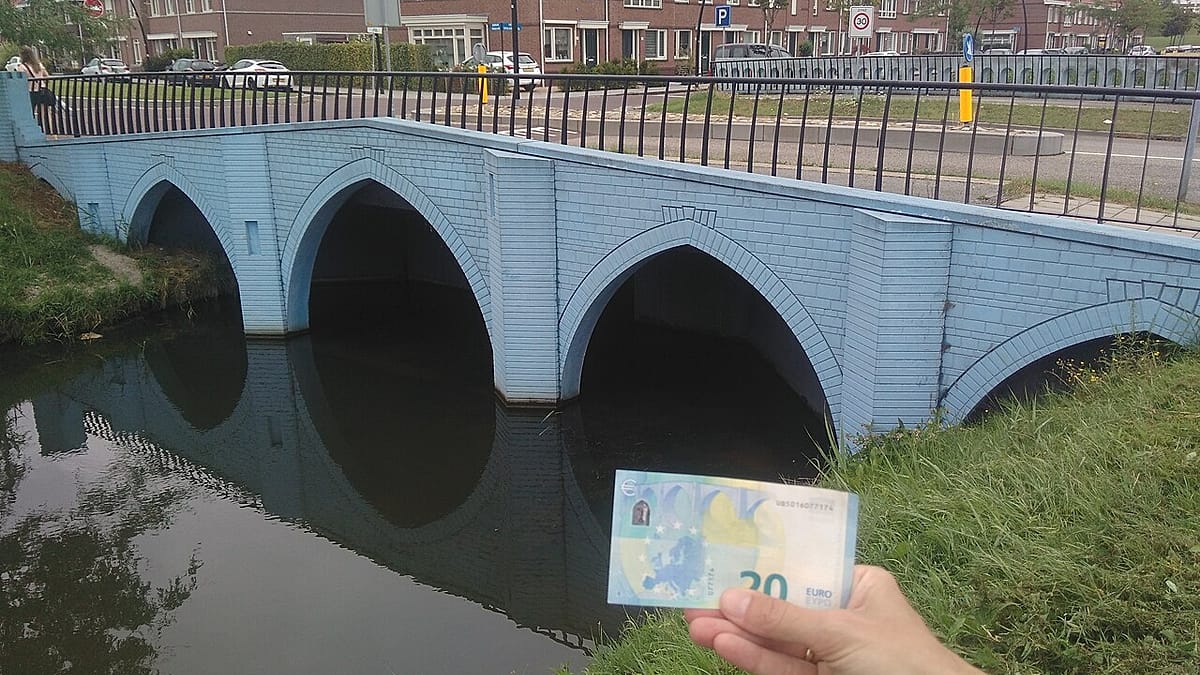
A Dutch designer noticed the bridges on euro bills didn't actually exist, so he built all seven of them in one small town. Now you can walk across every single bridge design from your pocket change in Spijkenisse, Netherlands.
Most people handle euro bills without really looking at them, but one Dutch designer saw an opportunity where others saw just pocket change.
Designer Robin Stam noticed something curious about euro banknotes back in 2011. The European Central Bank had designed the bills to show different architectural styles through history, using fictional bridges to symbolize connection between European nations. But none of the bridges were real.
Stam decided to change that. Working with the local council in Spijkenisse, a town in the Netherlands, he turned the imaginary designs into actual structures people could walk across.
Between 2011 and 2013, all seven bridges opened to the public in a new housing development. Each one recreates the design from a different euro note, from the Romanesque arch on the €10 bill to the modern steel on the €500 note.
The project transforms abstract symbolism into something tangible. What the ECB meant to represent openness and cooperation became actual pathways where neighbors cross every day.
The Ripple Effect
The bridges have turned a quiet Dutch suburb into an unlikely tourist destination. Visitors from across Europe now travel to Spijkenisse to see money come to life, walking the same routes locals use for their daily commute.
The project shows how public art can be both functional and meaningful. These aren't museum pieces behind glass but working infrastructure that serves the community while celebrating European unity.
You can reach all seven bridges easily on Rotterdam's metro C and D lines. They're all within walking distance of each other, making for a unique afternoon exploring the designs you've carried in your wallet for years.
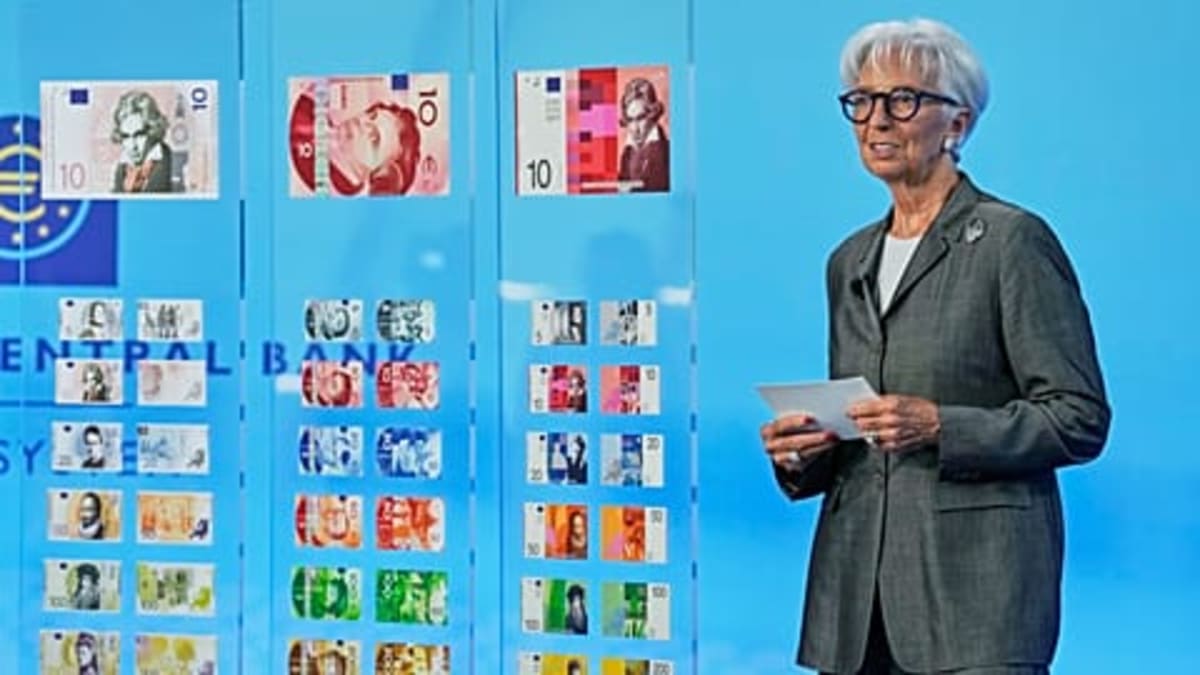
The story has gained new attention as the European Central Bank recently announced 10 finalist designs for the next generation of euro notes. Social media erupted with debates over which design should win, bringing renewed interest to the original banknotes and their surprising connection to this small Dutch town.
What started as one designer's creative vision became a permanent reminder that imagination and infrastructure don't have to be separate things.
More Images
Based on reporting by Euronews
This story was written by BrightWire based on verified news reports.
Spread the positivity!
Share this good news with someone who needs it