Dutch Wind Farm Shares Ocean Health Data With Scientists
A massive offshore wind farm in the Netherlands is opening its environmental data to researchers worldwide, proving clean energy can boost ocean science. The 760 MW project tracks everything from oxygen levels to water temperature in real time.
The world's most eco-friendly offshore wind farm just became a giant ocean science lab anyone can access.
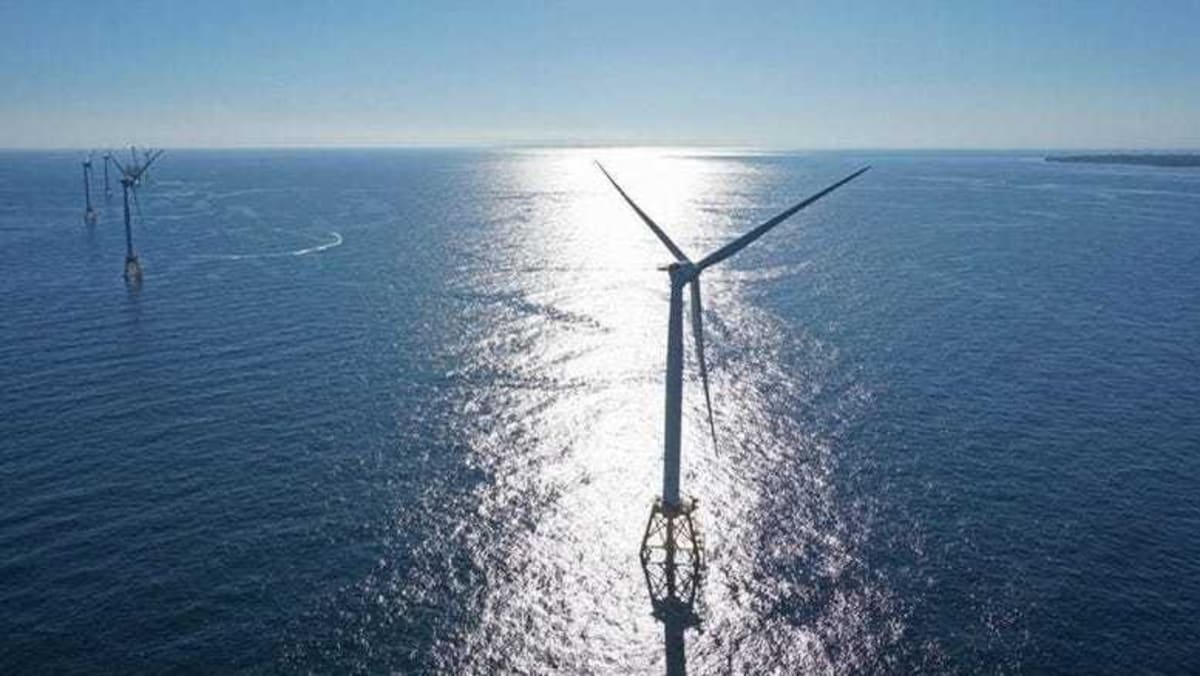
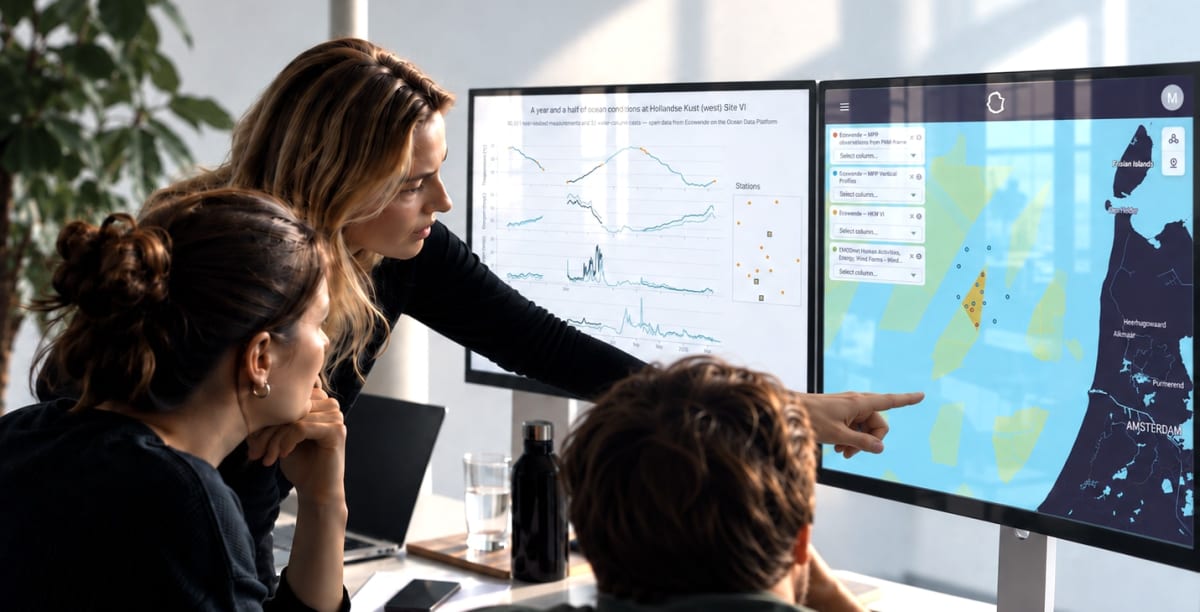
Ecowende's Hollandse Kust West VI wind farm, located 53 kilometers off the Dutch coast, released its first environmental datasets to the public this month. Scientists anywhere can now study underwater conditions at the massive 760 MW site through the Ocean Data Platform.
Two monitoring stations at the wind farm have been quietly collecting ocean measurements since August 2024. They track oxygen levels, chlorophyll, pH balance, water temperature, turbidity, and salinity near the seabed every single day.
The data follows scientific sharing principles that let researchers combine these measurements with other ocean studies worldwide. It's like giving marine scientists a new set of eyes in the North Sea.
Construction crews installed the first turbine in May after completing 52 massive foundations and connecting all the underwater cables. The site delivered its first electricity to Dutch homes in July, with full operation expected by late 2026.
But what makes this wind farm special goes beyond clean energy. The joint venture between Shell, Eneco, and Chubu Electric Power designed it from the start to protect ocean life.
Workers used quieter installation methods to avoid disturbing marine animals. They built nature-friendly scour protection around foundations and added features that create fish habitats. Special measures help prevent bird and bat collisions with the spinning blades.
Seven turbines even got one red-painted blade as part of a bird safety experiment. Researchers want to know if making rotors more visible helps birds avoid them.
The Ripple Effect
Opening environmental data to the world creates unexpected wins beyond renewable energy. Marine biologists studying fish migration can now see temperature changes in real time. Climate scientists get free access to ocean chemistry measurements. Universities in developing countries can analyze North Sea data without expensive equipment.
As monitoring continues, Ecowende promises to add datasets covering marine species, ecological processes, and more environmental measurements. The wind farm becomes both a power plant and a research station that keeps giving back to science.
Clean energy projects often face criticism about ocean impacts, but this one is writing the playbook for how to do it right.
Based on reporting by Google News - Wind Energy
This story was written by BrightWire based on verified news reports.
Spread the positivity!
Share this good news with someone who needs it