Ebola Vaccine Reaches Trials Just 68 Days After Outbreak
Scientists fast-tracked a Bundibugyo Ebola vaccine from freezer to human trials in just over two months, using lessons learned from COVID-19. With 620,000 doses already manufactured, researchers aim to begin outbreak trials in Uganda by late 2026.
Just 68 days after the World Health Organization declared an Ebola emergency, the first volunteer received a potentially life-saving vaccine against Bundibugyo ebolavirus.
The speed is unprecedented. Oxford University researchers pulled a pre-made genetic sequence from their freezer, leveraged the same technology behind the Oxford-AstraZeneca COVID vaccine, and manufactured 620,000 doses while simultaneously conducting safety tests.
Dr. Teresa Lambe, who helped develop the COVID vaccine, leads the effort. Her team didn't start from scratch when the outbreak began. They'd been preparing Ebola vaccines since the devastating 2013 outbreak, building a library of genetic sequences for different virus strains.
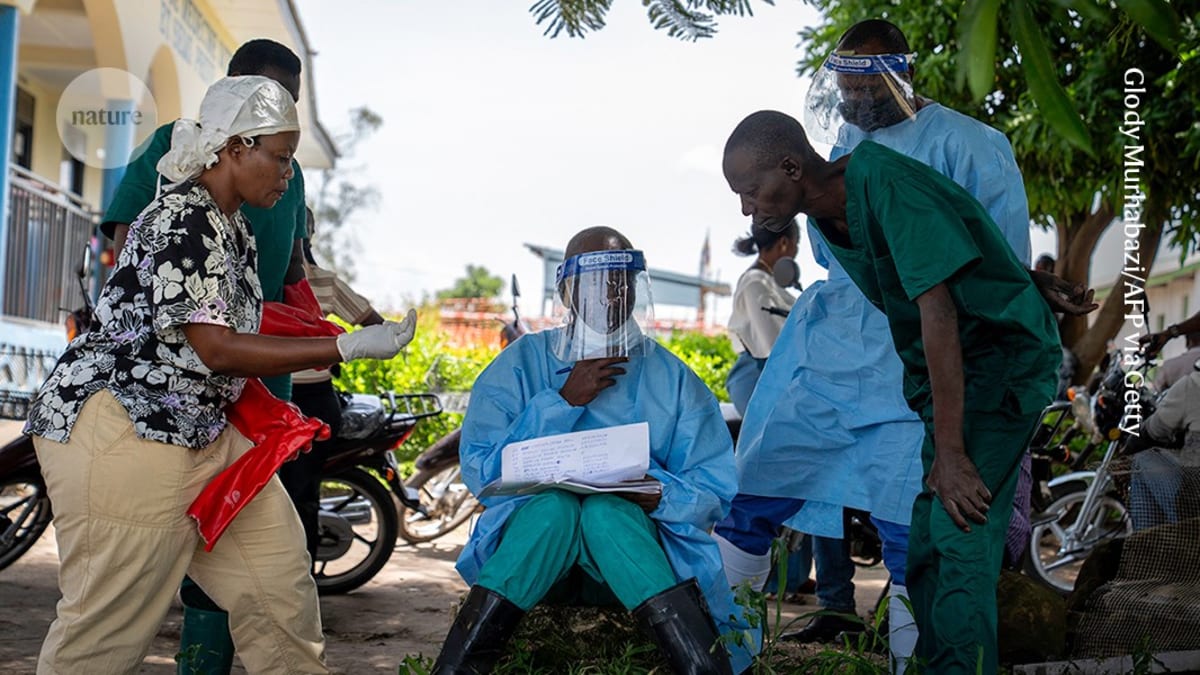
The outbreak has already confirmed 3,200 cases and 1,405 deaths in the Democratic Republic of Congo alone. Time matters when every day brings new infections.
What made the difference? The team ran processes in parallel instead of sequentially. While the Serum Institute of India scaled up manufacturing, Oxford conducted animal studies. While doses were being bottled, regulatory paperwork moved forward.
The phase I trial will test 50 healthy adults in the UK first, checking for safety and immune response. If results look promising, trials will expand to Uganda with people living in outbreak zones this fall or winter.
The Ripple Effect
This breakthrough extends beyond one vaccine. Two other Ebola vaccines are racing through development alongside Oxford's candidate, including an mRNA version from Moderna and another from the International AIDS Vaccine Initiative.
The Coalition for Epidemic Preparedness Innovations is funding all three, applying hard-won lessons from COVID-19 about rapid vaccine development. What once took years now takes months.
The Oxford team's freezer strategy offers a template for future outbreaks. By pre-developing vaccine components for known threats, scientists can respond to emergencies in weeks instead of starting from zero.
Uganda's virus research institute stands ready to partner on the next phase. Local infrastructure and global collaboration are combining to stop outbreaks faster than ever before.
The transformation shows what's possible when pandemic preparation meets cutting-edge science and international cooperation. Researchers are proving that speed and safety can coexist when teams work in harmony across continents.
More Images



Based on reporting by Nature News
This story was written by BrightWire based on verified news reports.
Spread the positivity!
Share this good news with someone who needs it