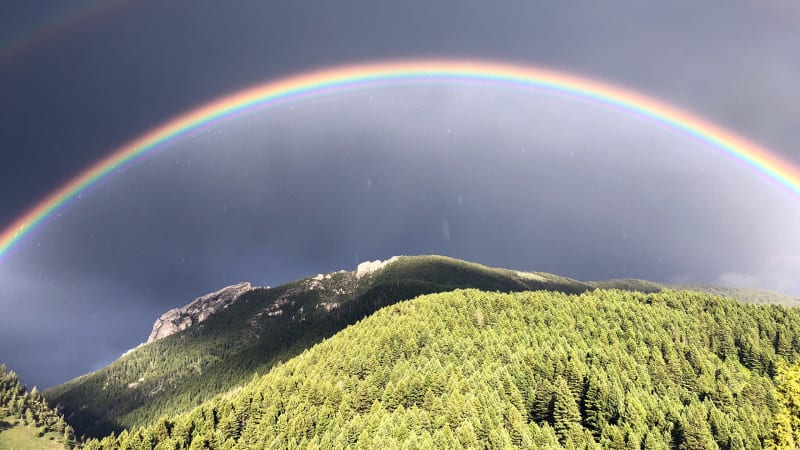
Ecologist Links 24M Acres from Yellowstone to Yukon
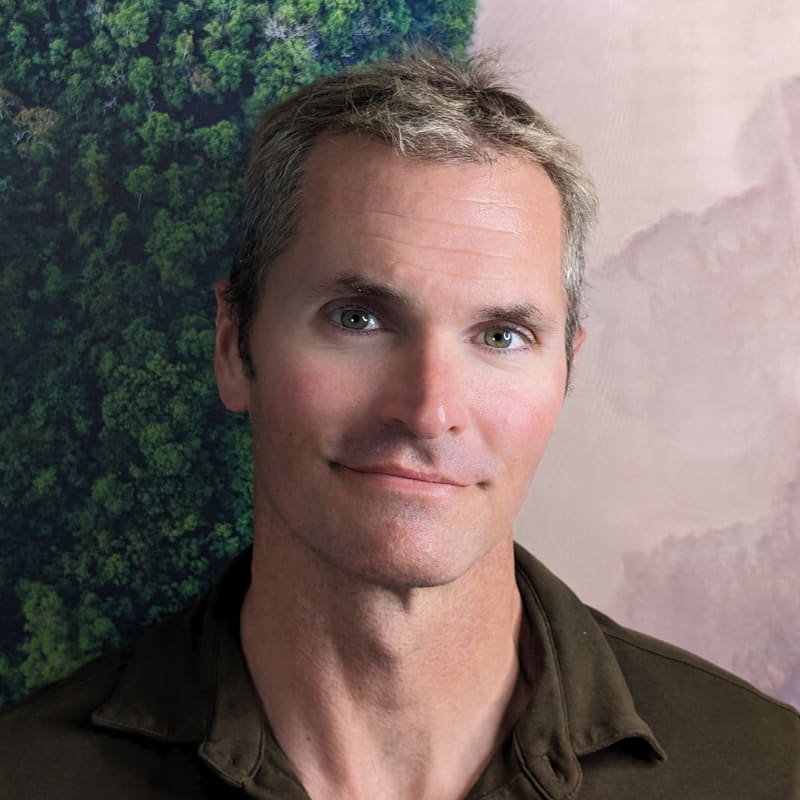
Gary Tabor spent decades proving that saving animals isn't just about protecting parks—it's about connecting them. His work has helped protect 24 million acres of wildlife corridors and changed how the world thinks about conservation.
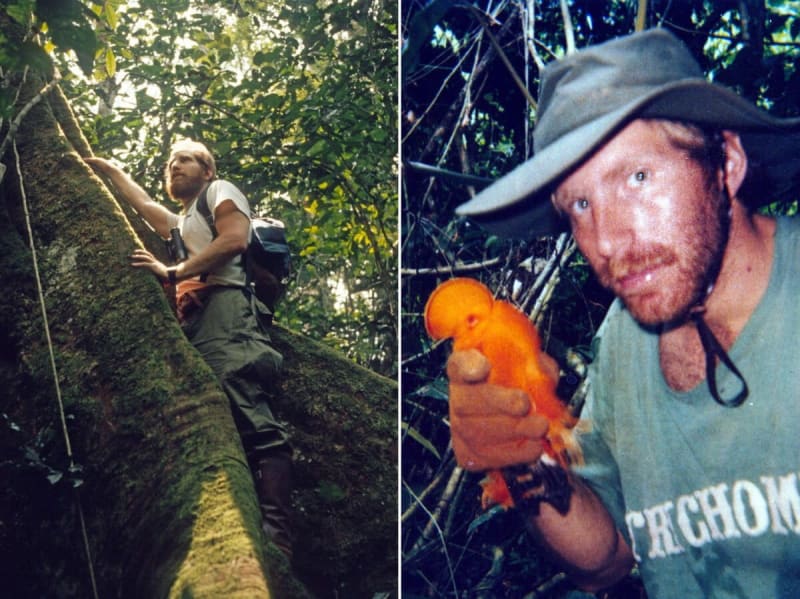
Gary Tabor learned his most important conservation lesson not in a classroom, but watching elephants ignore park boundaries in East Africa.
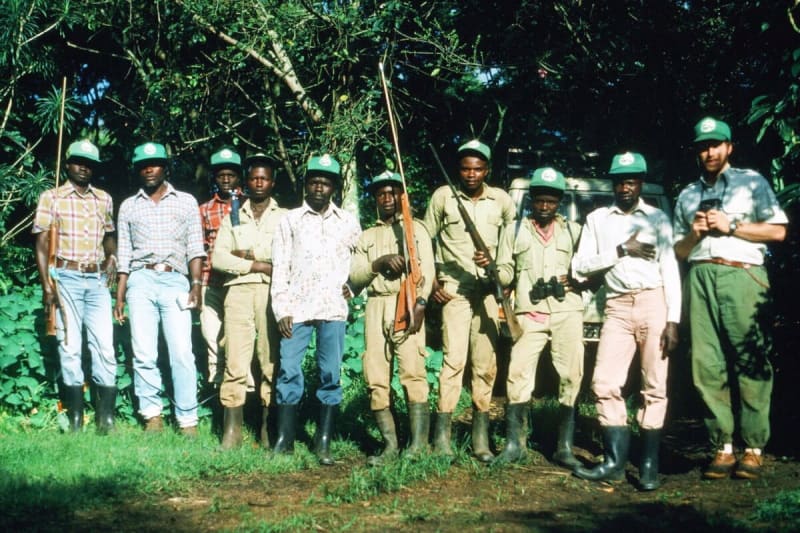
The wildlife veterinarian spent nearly a decade in Uganda, where he saw a critical problem. Parks like Lake Nakuru were fenced islands, completely cut off from surrounding land. Animals needed to move between these protected areas to survive, but maps drawn by humans got in the way.
That realization changed everything. Tabor returned to North America determined to fix what he calls the "connective tissue" problem in conservation.
He helped launch the Yellowstone to Yukon Conservation Initiative, a project so ambitious it sounds almost fictional. The goal was to create connected wildlife corridors stretching across an entire continent. Working alongside Indigenous nations and local communities, the effort has now protected more than 24 million acres of habitat and corridors.
The childhood experiences that prepared him for this work came from an unlikely place. Tabor spent nine summers at a rustic camp in New York's Adirondack Park, climbing all 46 peaks above 4,000 feet. Those mountains endured because people designed them to, protected by law and a shared belief that wilderness and humans could coexist.
In 2010, Tabor founded the Center for Large Landscape Conservation to take his approach worldwide. The premise was straightforward: habitat fragmentation is killing biodiversity faster than almost anything else. Protecting more land without addressing the gaps between parks was only half a solution.
The Ripple Effect
The Center's influence now reaches across continents. Wildlife corridor planning has become standard policy in western U.S. states. International conservation bodies like the IUCN have embraced connectivity as a core strategy, not an afterthought.
Tabor chairs the IUCN World Commission on Protected Areas Connectivity Conservation Specialist Group, helping embed corridor planning into global biodiversity targets. The Center partnered with Patagonia on the "Freedom to Roam" campaign, bringing the idea to millions more people.
There's nothing theoretical about this work. Roads, railways, and fences fragment landscapes quickly, killing billions of animals in collisions each year. But wildlife crossings work when we build them, and policy can follow engineering once people see the solution.
Tabor insists the real heroes are local partners who know their land better than any outsider ever could. He calls conservation "a human endeavor before it is a biological one," focused on the messy middle work of building trust and credibility with communities.
Now stepping back from daily leadership, Tabor spends time teaching the next generation. He tells students that careers don't have to be linear and success is bounded only by creativity. His most striking comment to them: "One day, I want to work for you."
The networks Tabor helped build will outlast any single person's name, which is exactly how he wants it.
More Images
Based on reporting by Mongabay
This story was written by BrightWire based on verified news reports.
Spread the positivity!
Share this good news with someone who needs it


