Ecuador's Amazon Coffee Farmers Cut Deforestation by 100%
Nearly 400 coffee farmers in Ecuador's Amazon rainforest have proven you can grow great coffee without cutting down a single tree. Their success is creating a blueprint for protecting forests while improving farmers' livelihoods.
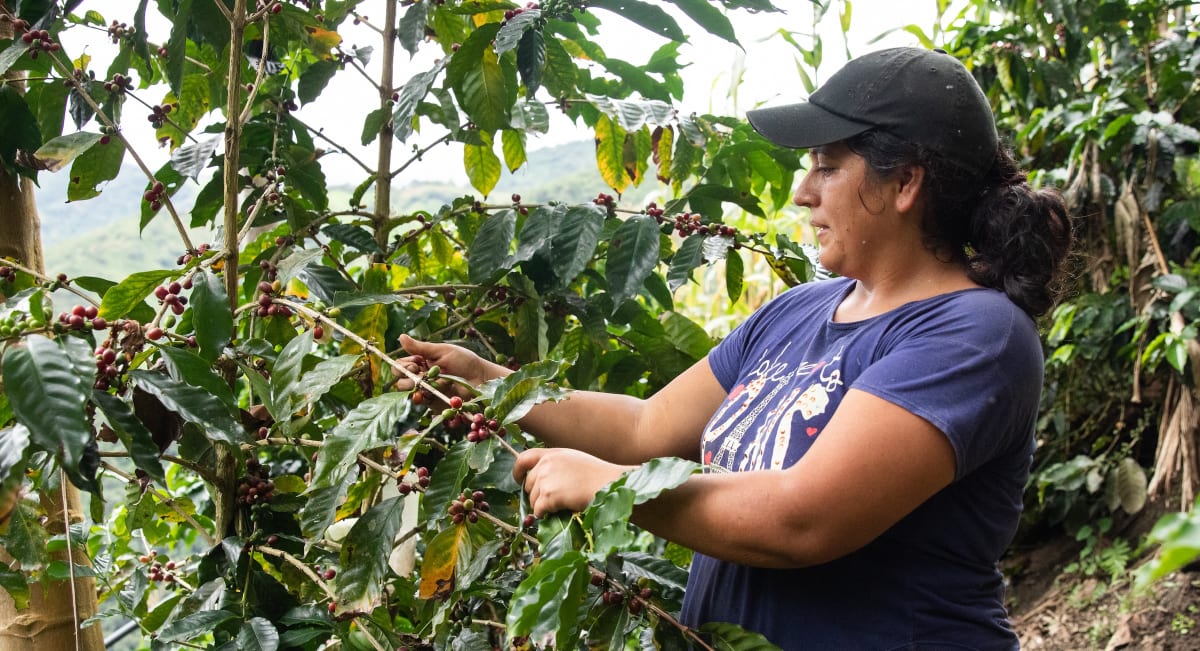
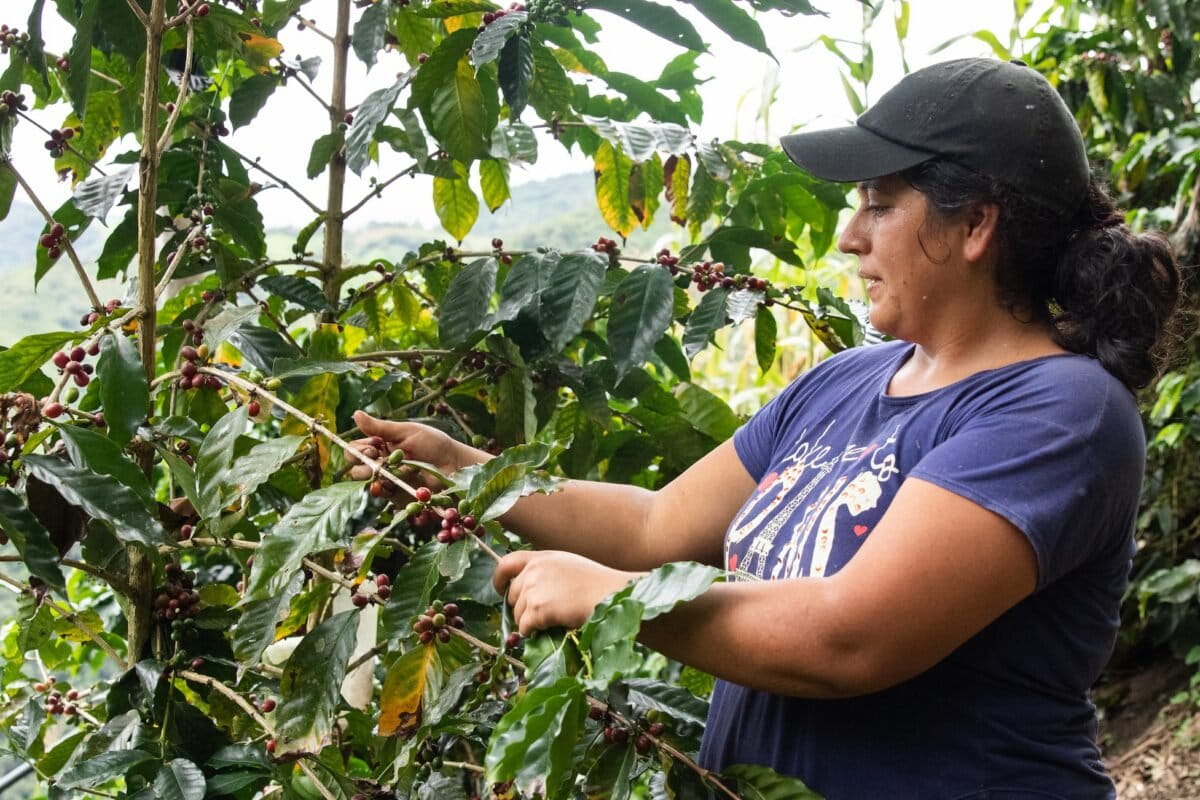
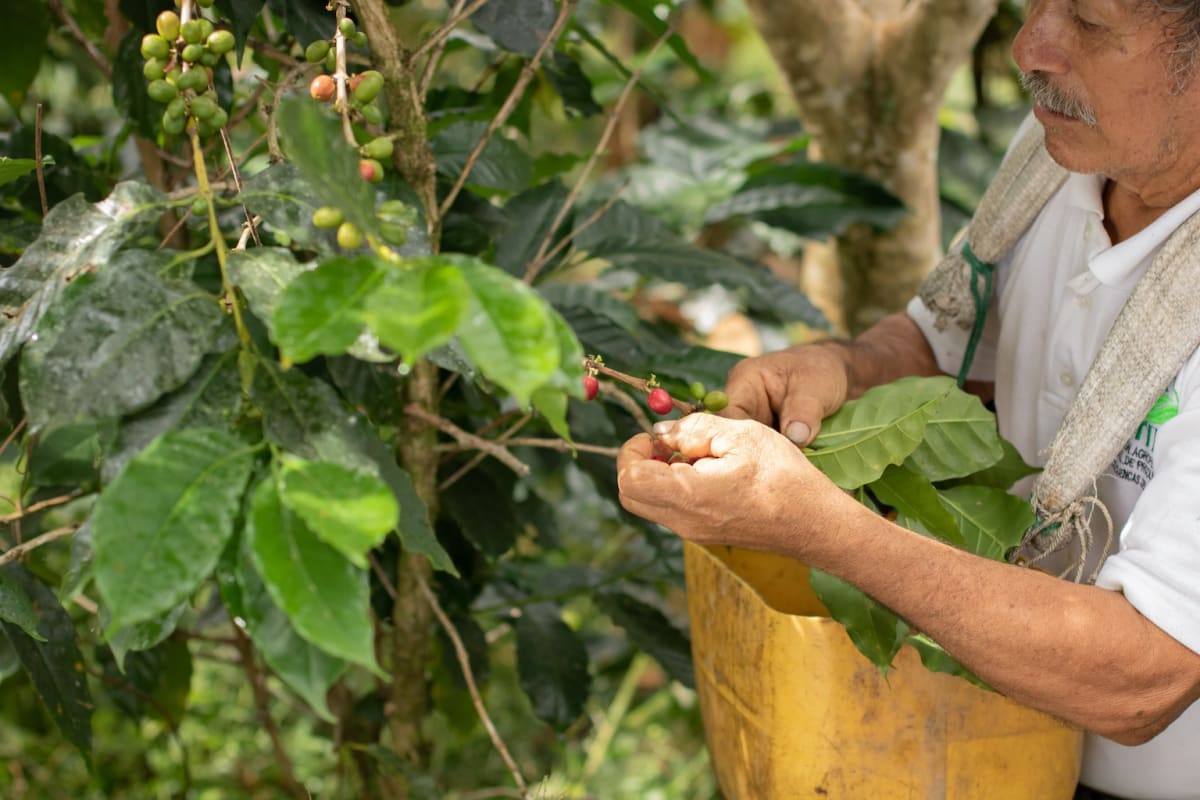
Victoria Alverca Peña has been growing coffee in Ecuador's Amazon for 25 years, and she's never been more excited about her crops. "I take care of the environment, I don't cut down trees, and my coffee will be valued more highly," she says with pride.
Since 2019, Victoria and 373 other farmers across southern Ecuador have adopted a revolutionary approach to coffee farming. They're using satellite monitoring and traceability systems to prove their beans come from farms where forests stay standing.
The results speak volumes. In 2025 alone, these farmers exported as much deforestation-free coffee as they had in the previous three years combined. That's 172.5 metric tons of coffee grown without clearing a single acre of rainforest.
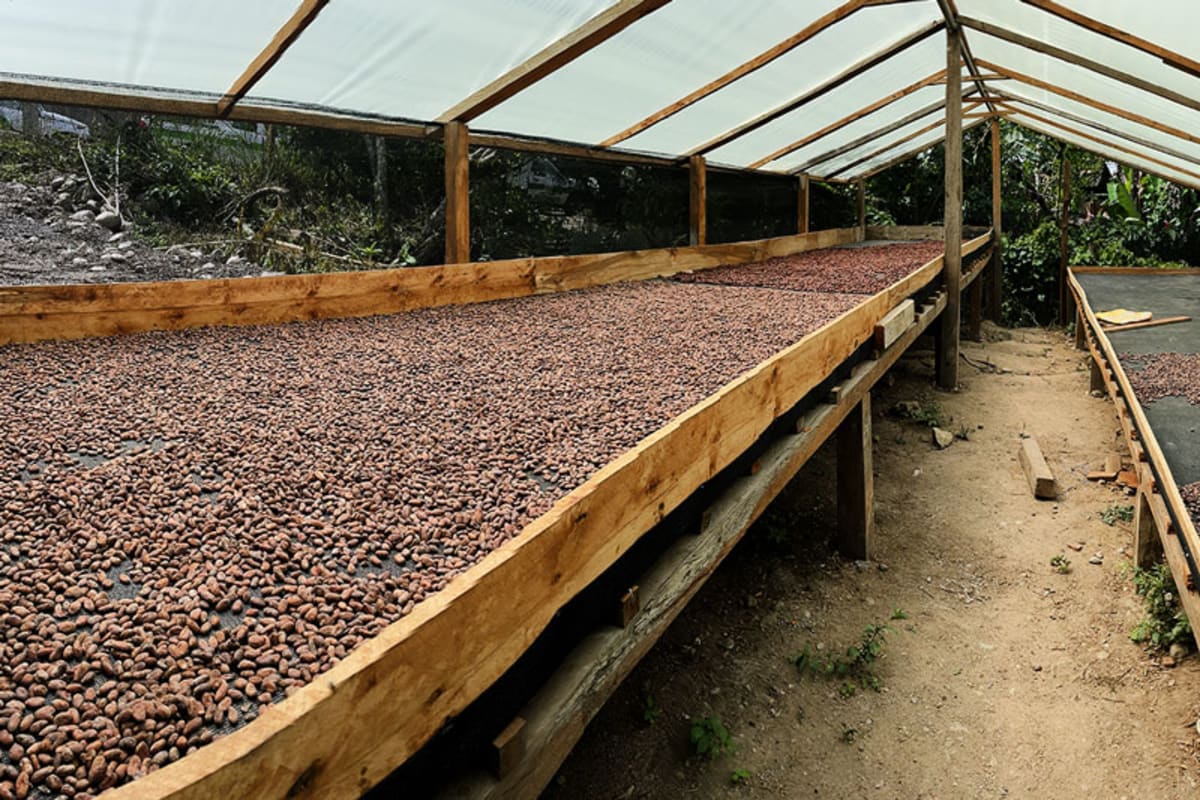
The farms themselves look different from traditional coffee plantations. Victoria grows cacao trees, fruit trees, timber trees, and even corn and cassava between her coffee plants. This diversity means her family eats well even when coffee prices dip.
The farmers' timing couldn't be better. New European Union rules will soon require all coffee entering Europe to come with geographic proof it wasn't grown on recently cleared forest land. These Ecuadorian farmers are already three years ahead of the curve.
More than 1,200 hectares of natural forest remain untouched across the 5,000-hectare project area in Zamora Chinchipe province. The region is becoming known for high-altitude coffee that commands premium prices.
Italian coffee company Lavazza has been buying the traceable beans, creating steady demand. The price premiums for deforestation-free coffee give farmers real financial incentive to keep their forests intact.
The Ripple Effect
This small project in southern Ecuador offers hope for the entire Amazon basin. The rainforest has lost an area three times the size of Ecuador over the past four decades, with agriculture driving much of that destruction.
Juan Merino from the UN Development Programme, which helped develop the model, sees bigger possibilities. "This demonstrates that conserving Amazonian forests can be compatible with competitiveness, compliance with international regulations and dignified income generation for small producers," he says.
The success is already inspiring neighboring farmers to adopt similar practices. As word spreads about the premium prices and European market access, more producers are asking how they can join.
The model combines practical tools like satellite imagery with on-the-ground verification and government support. It proves that protecting tropical forests doesn't require sacrificing rural livelihoods.
Ecuador has lost 1.2 million hectares of forest in recent decades, but these farmers are showing there's another way forward. When conservation pays better than destruction, forests have a fighting chance.
More Images

Based on reporting by Mongabay
This story was written by BrightWire based on verified news reports.
Spread the positivity!
Share this good news with someone who needs it