Egypt and L'Oréal Partner on Zero-Waste Manufacturing
Egypt is teaming up with L'Oréal to accelerate its circular economy goals through cutting-edge recycling and carbon reduction initiatives. The partnership shows how multinational expertise can power local environmental progress while creating jobs.
A major cosmetics company is helping Egypt transform its approach to waste and emissions, proving that environmental wins and economic growth can go hand in hand.
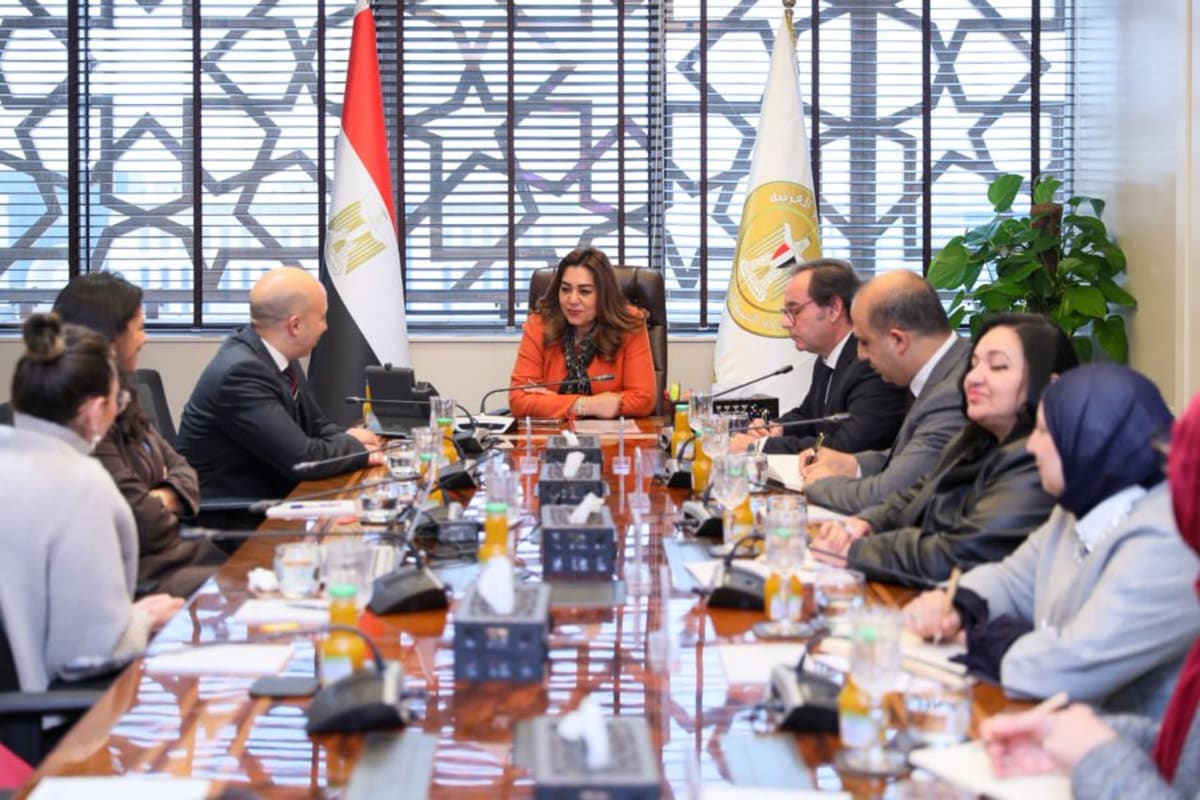
L'Oréal Egypt and Minister of Local Development and Environment Manal Awad recently met to expand their sustainability collaboration, focusing on waste management, carbon reduction, and green supply chains. The talks centered on concrete goals like zero-waste manufacturing, increased recycled plastic use, and slashing carbon emissions beyond existing 2025 targets.
The partnership fits perfectly with Egypt's national circular economy strategy, which treats environmental action as an engine for job creation and innovation. Since 2009, L'Oréal Egypt has invested over €100 million in the country, employing 450 people while running its facilities entirely on renewable energy.
Minister Awad emphasized that private sector partnerships are key to scaling sustainable solutions across the nation. "We are committed to enabling partnerships that not only protect the environment but also generate employment and foster innovation in green industries," she said, calling for coordinated efforts in carbon trading and public awareness campaigns.
L'Oréal Egypt's Chief Executive Mohamed El-Araby highlighted the company's dual focus on environmental impact and community development. The company has already implemented water recycling systems to minimize consumption alongside its renewable energy operations.
The Ripple Effect
This collaboration reflects a growing continental shift as African governments increasingly partner with multinational corporations to tackle plastic waste and implement sustainable production. Extended producer responsibility, where manufacturers manage their products' entire lifecycle, is becoming essential for curbing pollution in African urban centers.
Egypt's approach positions sustainability as central to economic modernization rather than an obstacle to growth. By aligning corporate action with national priorities, the country is building a model that could guide other African nations pursuing green transitions while balancing industrial development.
Experts note that as global plastic consumption rises, companies integrating recycled materials and water-efficient technologies can help governments meet both climate and development goals simultaneously. L'Oréal's zero-waste production model demonstrates how multinational expertise can support local objectives while strengthening economic resilience.
The partnership comes as Egypt seeks to accelerate circular economy adoption, reduce greenhouse gas emissions, and build public awareness around responsible consumption. Progress like this proves that environmental protection and prosperity can advance together, creating a future where both people and planet thrive.
More Images
Based on reporting by Google News - Emissions Reduction
This story was written by BrightWire based on verified news reports.
Spread the positivity!
Share this good news with someone who needs it