Egypt Fossil Discovery Rewrites Ape Evolution Story
Egyptian scientists discovered an 18-million-year-old ape jaw that suggests our ancestors may have originated in North Africa, not East Africa as long believed. The find opens exciting new chapters in understanding where humans came from.
A small piece of fossilized jaw found in the Egyptian desert is rewriting the story of where apes and humans came from.
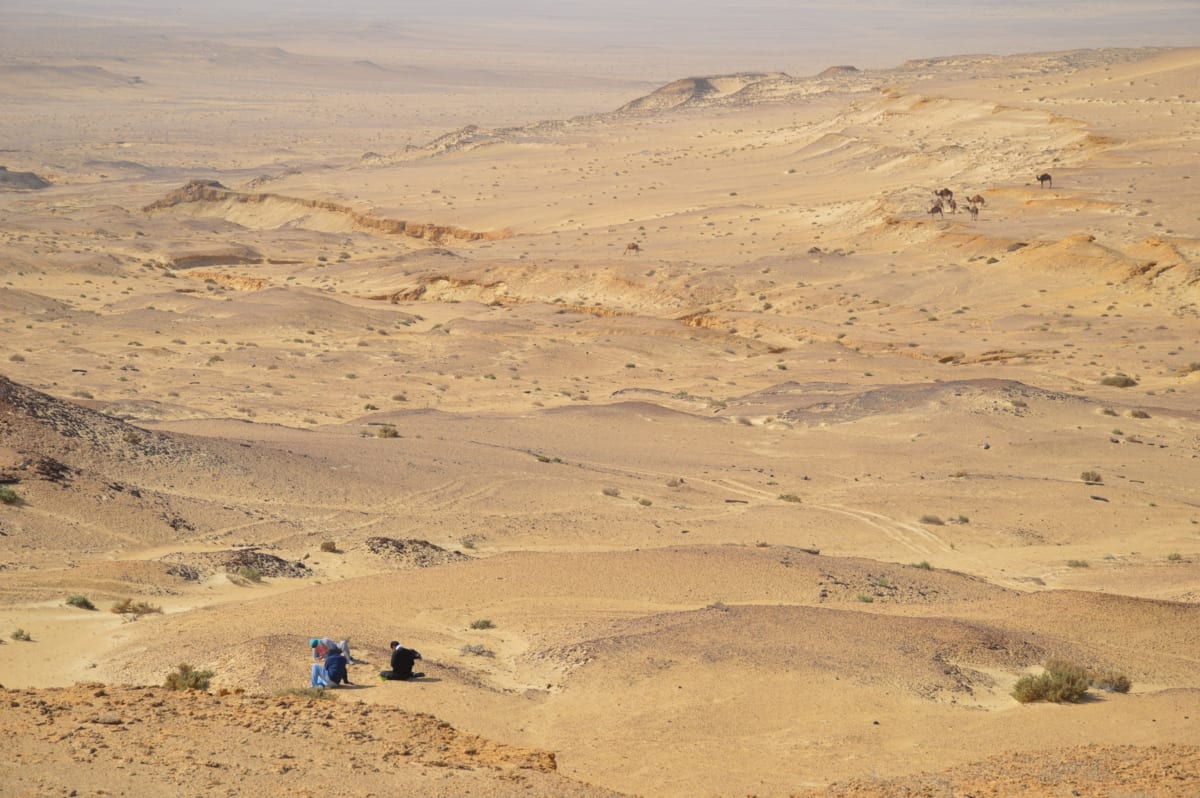
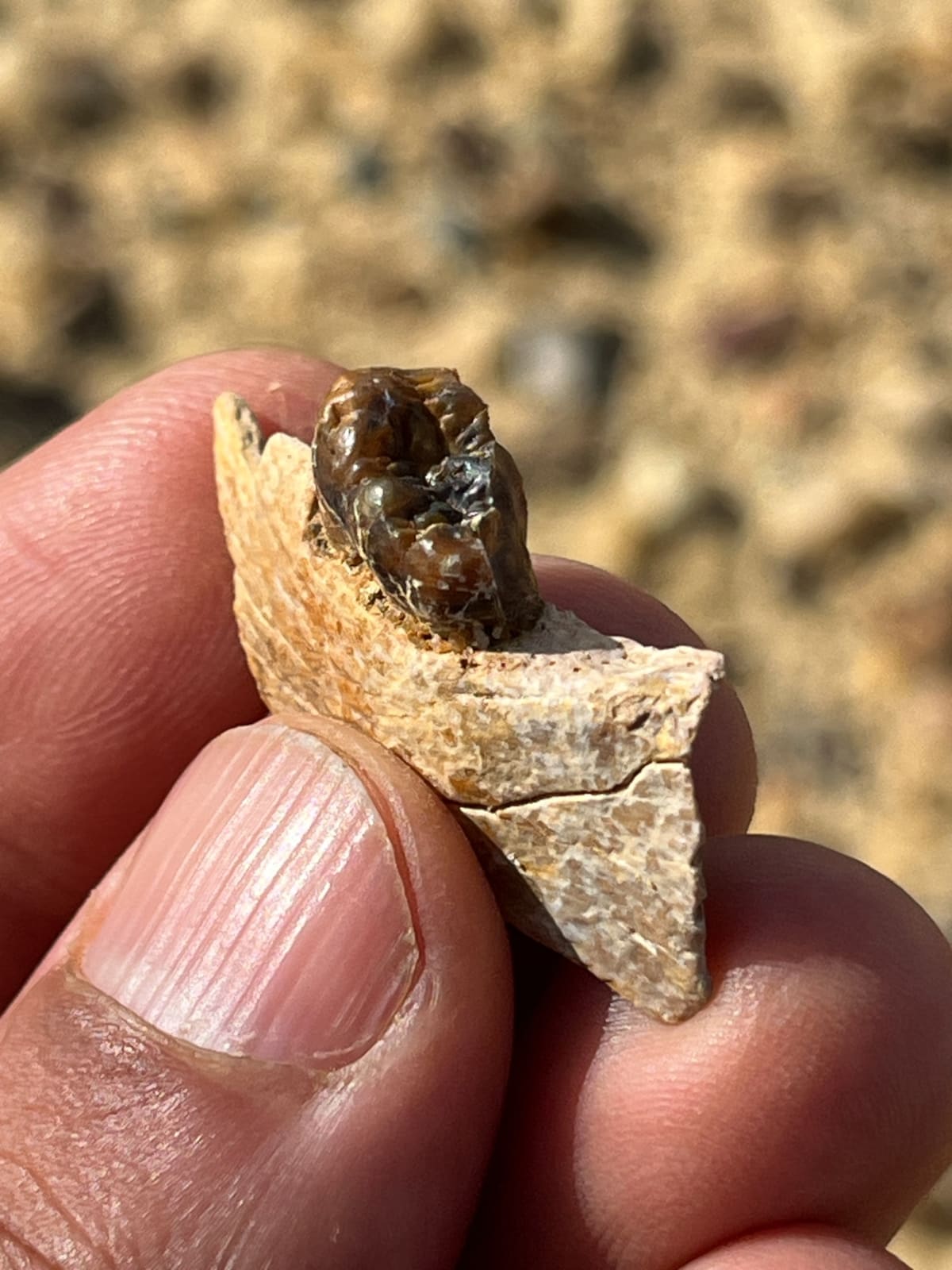
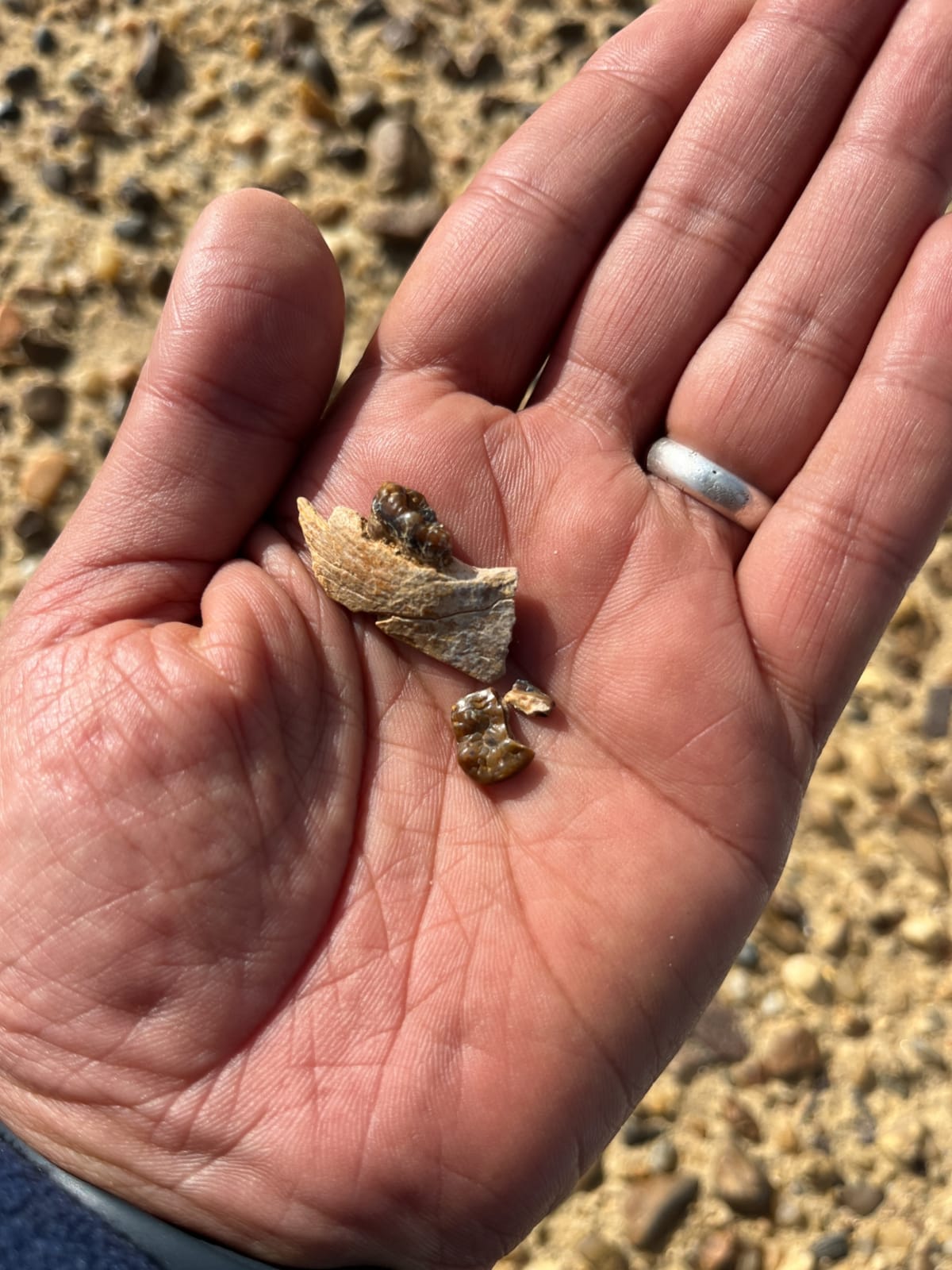
In spring 2024, paleontologist Hesham Sallam and his team were exploring Wadi Moghra, a dry valley in northern Egypt, hoping to find something special. When researcher Shorouq Al-Ashqar showed Sallam a jaw fragment and quietly said "Dr. Hesham, we found an ape," he was so excited he forgot about another fossil he'd been examining.
That second fossil turned out to be part of the same ancient ape's jaw from a different individual. Together, these pieces tell an incredible story about our distant past.
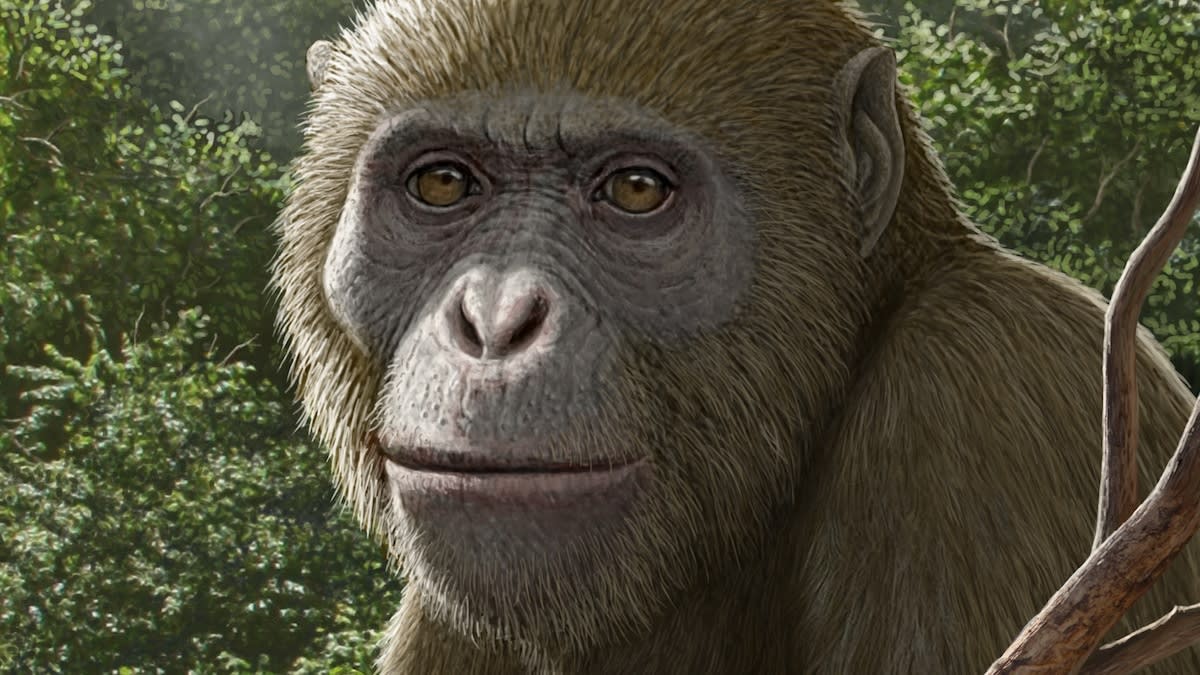
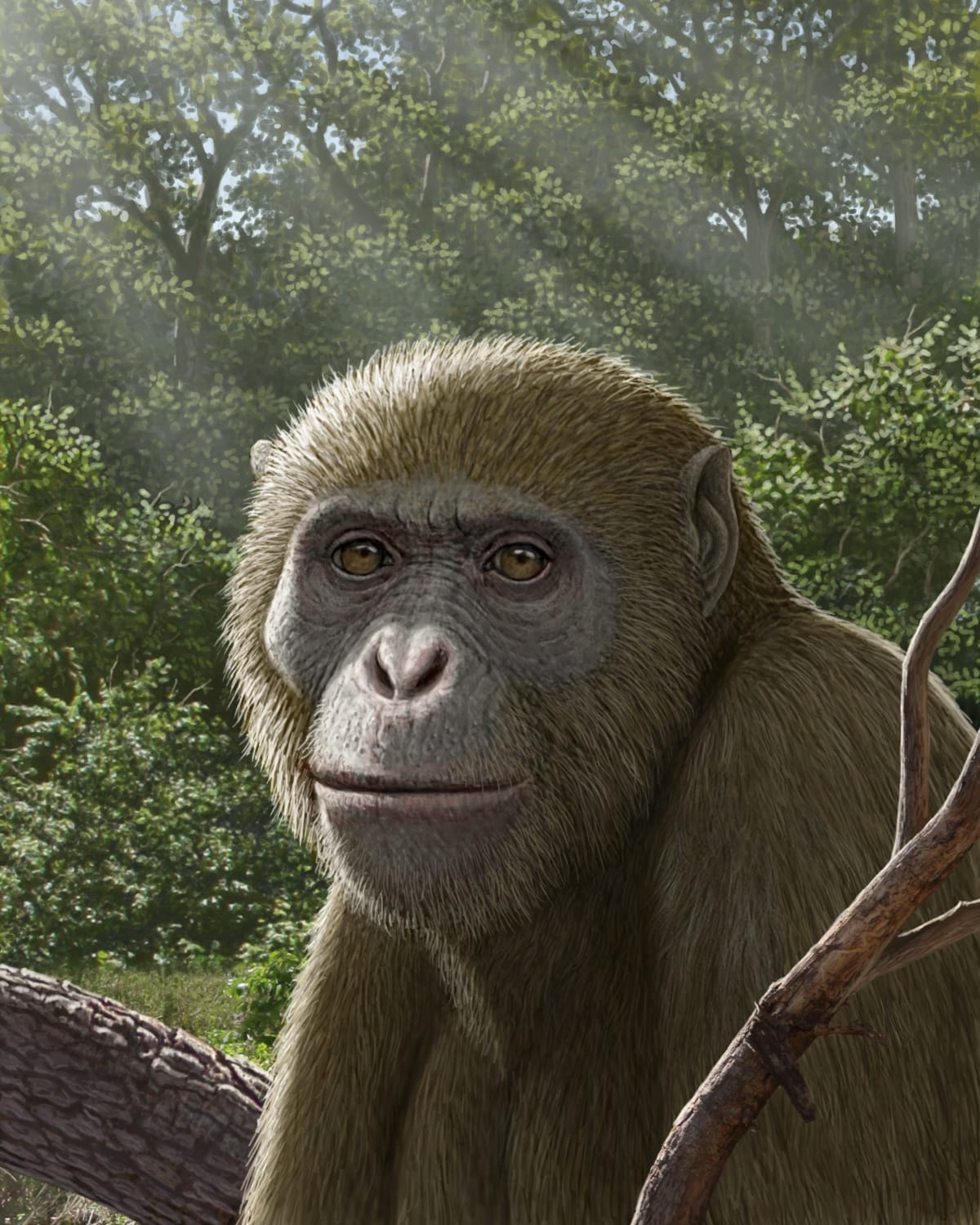
The newly discovered ape, named Masripithecus moghraensis, lived 17 to 18 million years ago. Its thick-enameled teeth were perfectly designed for cracking hard nuts and seeds in the seasonal forests of ancient North Africa.
For decades, scientists believed East Africa was the birthplace of modern apes because that's where most early fossils have been found. This discovery challenges that view entirely.
Al-Ashqar, a paleontologist at Mansoura University, says Masripithecus looks remarkably similar to what scientists predicted the ancestor of all modern apes would look like. That group includes gibbons, orangutans, gorillas, chimpanzees, and humans.
The fossil shows features that blend characteristics of older East African apes with later Eurasian apes. This suggests apes may have actually originated in northeastern Africa before spreading across the world.
"These days were the dawn of the apes," says Sallam. When sea levels dropped and land bridges emerged, apes began their journey across Eurasia, eventually giving rise to the incredible diversity we see today.
Why This Inspires
This discovery reminds us that even stories we think we know can be rewritten with new evidence. A team of Egyptian scientists ventured into their own backyard and found something that changed our understanding of human origins.
The find also highlights how much we still have to learn about our past. Most ape fossils come from East Africa simply because that's where researchers have looked most intensively.
Ellen Miller, a paleoanthropologist at Wake Forest University, notes that fossils at Moghra are typically broken and fragmentary. Finding such well-preserved specimens opens doors to discoveries scientists never expected.
David Alba from the University of Barcelona adds that while finding ancient apes in North Africa isn't totally unexpected given later discoveries in nearby Saudi Arabia, the implications for understanding ape evolution are genuinely surprising.
The discovery shows that persistence pays off and reminds us that major scientific breakthroughs can happen anywhere, challenging us to look beyond what we've always assumed to be true.
More Images
Based on reporting by Google: fossil discovery
This story was written by BrightWire based on verified news reports.
Spread the positivity!
Share this good news with someone who needs it