Egypt Hosts Century's Longest Eclipse at Ancient Temples
In 2027, Egypt will host the longest total solar eclipse until 2114—a stunning 6 minutes and 23 seconds of darkness over the land where ancient civilizations once worshipped the sun god Ra. Thousands will gather at iconic temples built to track celestial movements, bringing ancient astronomy full circle.
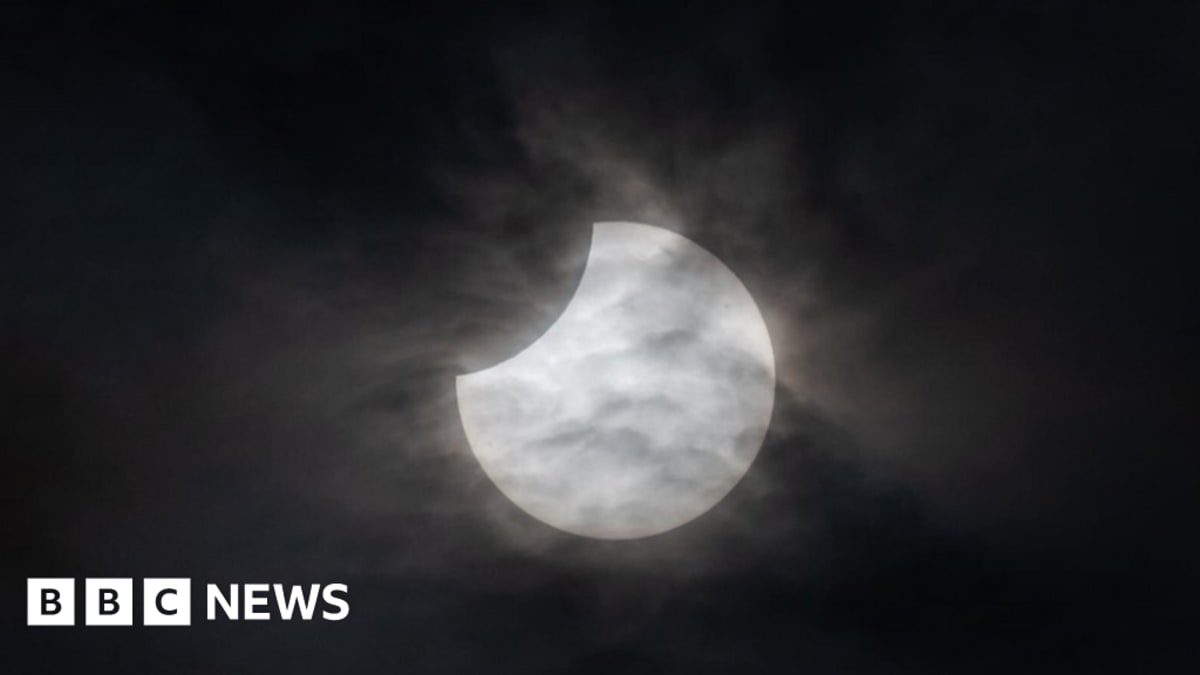
On August 2, 2027, the skies above Egypt's ancient temples will go dark for over six minutes in the longest total solar eclipse the world will witness until 2114.
The cosmic spectacle will peak at Luxor, where monuments built thousands of years ago to honor Ra, the sun god, will become front-row seats to celestial history. The eclipse will last an extraordinary 6 minutes and 23 seconds, making it the longest total solar eclipse of the entire 21st century.
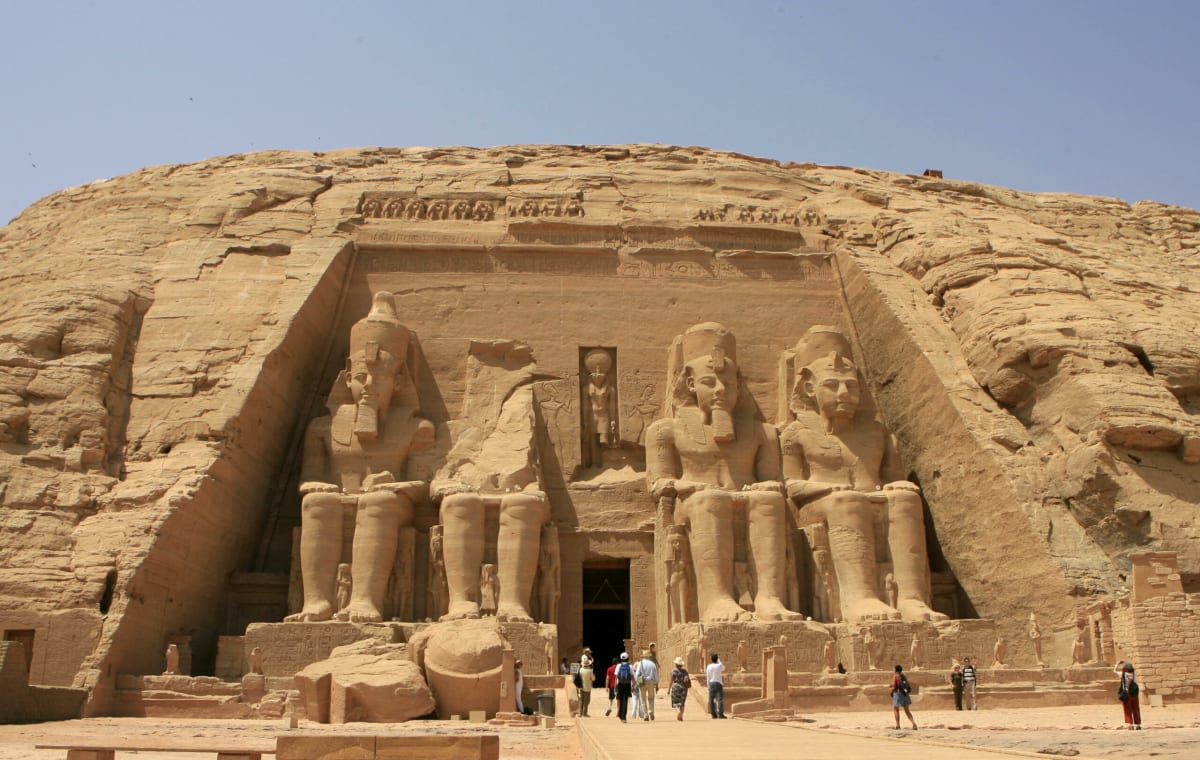
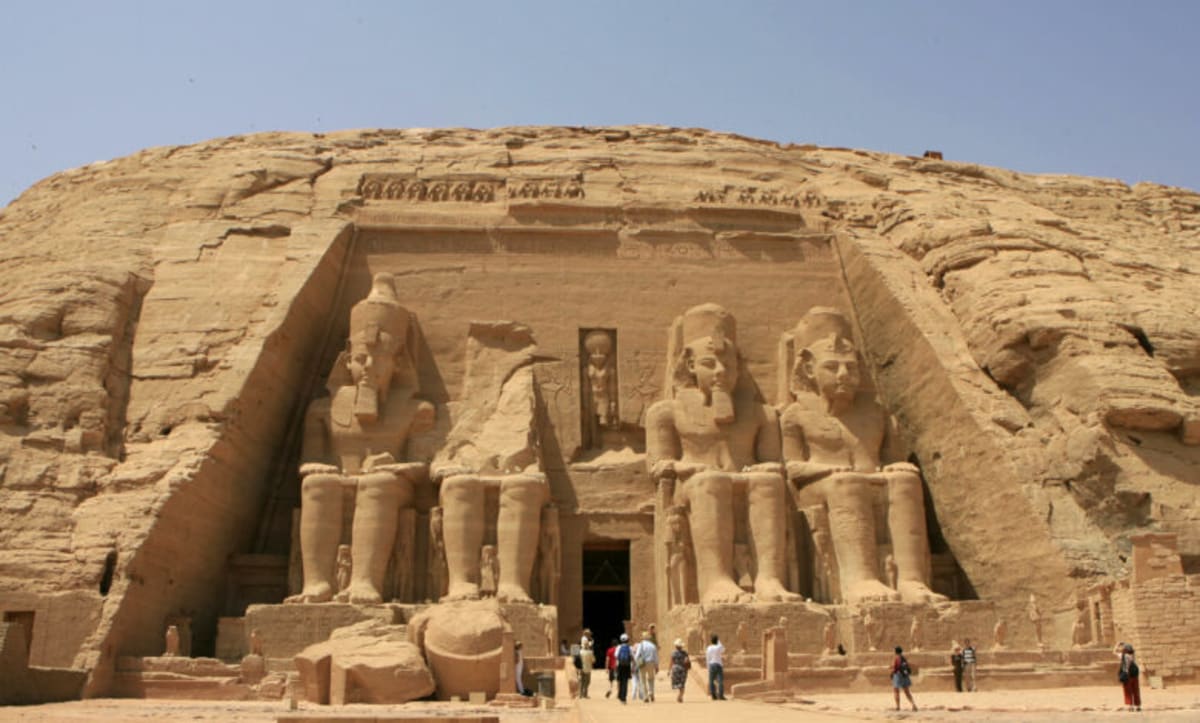
Tour operators are already selling specialized packages for the event. Viewing parties are being planned at Karnak Temple, the Temple of Hatshepsut, and Abu Simbel, where ancient Egyptians engineered structures to align perfectly with the sun's movements.
The timing feels almost poetic. Ancient Egyptian priests tracked solar patterns with remarkable precision, building temples that captured specific moments of sunlight on particular days. Now, in 2027, their stone monuments will witness the sun's temporary disappearance in a cosmic event that won't be matched for nearly 90 years.
Egypt's Ministry of Tourism and Antiquities is preparing for a massive influx of astronomers, photographers, and travelers from around the globe. They're planning cultural events, specialized lectures, and custom Sound and Light shows that will connect ancient sky-watching traditions with modern astronomical wonder.
Hotels and Nile cruise operators are already seeing bookings years in advance. The convergence of ancient history and rare celestial phenomena has created what tourism officials are calling a once-in-multiple-lifetimes opportunity.
The Ripple Effect
This eclipse is sparking renewed interest in ancient Egyptian astronomy and engineering. Schools around the world are already incorporating the 2027 event into science curricula, using it to teach students about both modern astronomy and ancient civilizations that studied the stars without telescopes.
The event is also bringing attention to how advanced ancient cultures were in understanding celestial mechanics. The same temples that will host eclipse viewers in 2027 have marked solstices and equinoxes for millennia, proving that precise astronomical knowledge existed thousands of years before modern instruments.
For Egypt, the eclipse represents more than tourism revenue. It's global recognition of a heritage that bridged earth and sky, stone and starlight.
In 2027, the sun will pause over pyramids, and the world will watch together.
More Images
Based on reporting by Egypt Independent
This story was written by BrightWire based on verified news reports.
Spread the positivity!
Share this good news with someone who needs it