Egypt Launches National Startup Charter to Create 500K Jobs
Egypt just unveiled its first-ever National Startup Charter, a five-year roadmap designed to support 5,000 new companies and create half a million jobs. After more than a year of collaboration between government officials, entrepreneurs, and investors, the country is betting big on innovation as its economic future.
Egypt just made a bold commitment to its entrepreneurs, and the timing couldn't be better for a region hungry for opportunity.
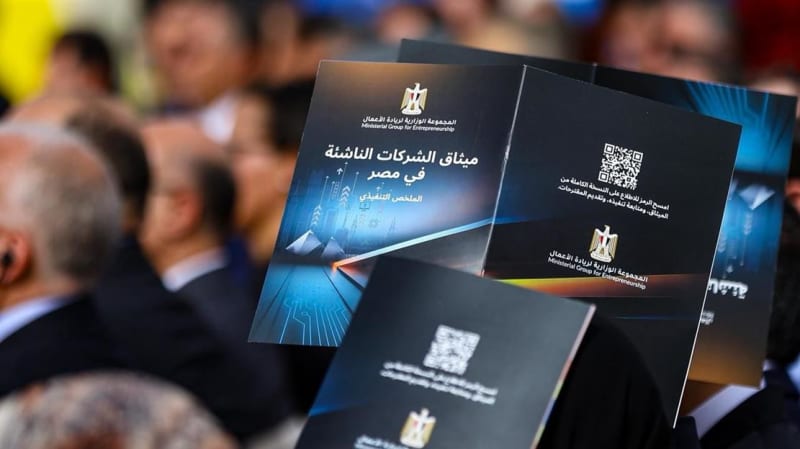
The country launched its first National Startup Charter this month at the Grand Egyptian Museum, marking the culmination of over a year of coordination between government bodies, 250 startup founders, investors, and lawmakers. The goal is ambitious: enable 5,000 startups and create 500,000 jobs over the next five years.
Prime Minister Mostafa Madbouli announced the charter as part of Egypt's push toward economic reform and a knowledge-based economy. The plan emerged from the Ministerial Group for Entrepreneurship, formed in September 2024 under Planning Minister Rania el-Mashat, which brought together more than 15 national agencies to tackle the challenges facing innovators.
For the first time, Egypt established an official definition of what counts as a startup: newly established companies focused on rapid growth, flexibility, and innovation. Entrepreneurs can now get official classification certificates to access benefits through either a fast-track process in five days or a regular review in 14 days.
The charter doesn't just offer recognition. It launches a unified financing initiative pooling $1 billion over five years from public resources and private venture capital funds, addressing critical funding gaps that have held back emerging companies.
Egypt also created the country's first unified regulatory guide for startups, developed with Enjaz and UN Women. The guide simplifies licensing procedures, required documents, and government services, making it easier for innovators to launch and protect their intellectual property.
To keep everyone accountable, a specialized observatory will track implementation, analyze startup growth data, and issue periodic reports. A council of experts from the entrepreneurship community will assess progress and advise the ministerial group.
The Ripple Effect
This charter represents more than policy reform. It signals Egypt's determination to position itself as a regional hub for innovation and creative industries, competing with startup ecosystems across the Middle East and North Africa.
The direct jobs targeted are just the beginning. Each successful startup creates supplier relationships, service contracts, and economic activity that multiplies throughout communities. Young Egyptians who might have looked abroad for opportunities now have a clearer path to build their futures at home.
By connecting national challenges with innovative solutions, Egypt is betting that its entrepreneurs can solve real problems while building profitable businesses. That combination of purpose and profit has powered startup ecosystems from Tel Aviv to Nairobi.
The five-year roadmap gives entrepreneurs, investors, and government officials a shared vision and measurable goals. Egypt is planting seeds today that could reshape its economic landscape for decades to come.
Based on reporting by Google News - Egypt Innovation
This story was written by BrightWire based on verified news reports.
Spread the positivity!
Share this good news with someone who needs it