Egypt Makes First Solar Cells With China's Green Tech Help
Egypt just produced its first locally made solar cells thanks to a groundbreaking partnership with China, ending decades of relying on imports. The joint lab is transforming how the desert nation harnesses its 3,000 hours of annual sunshine into clean energy.
On a sun-drenched island in southern Egypt, rows of solar panels now turn endless sunshine into electricity, marking a breakthrough that could reshape energy across Africa.
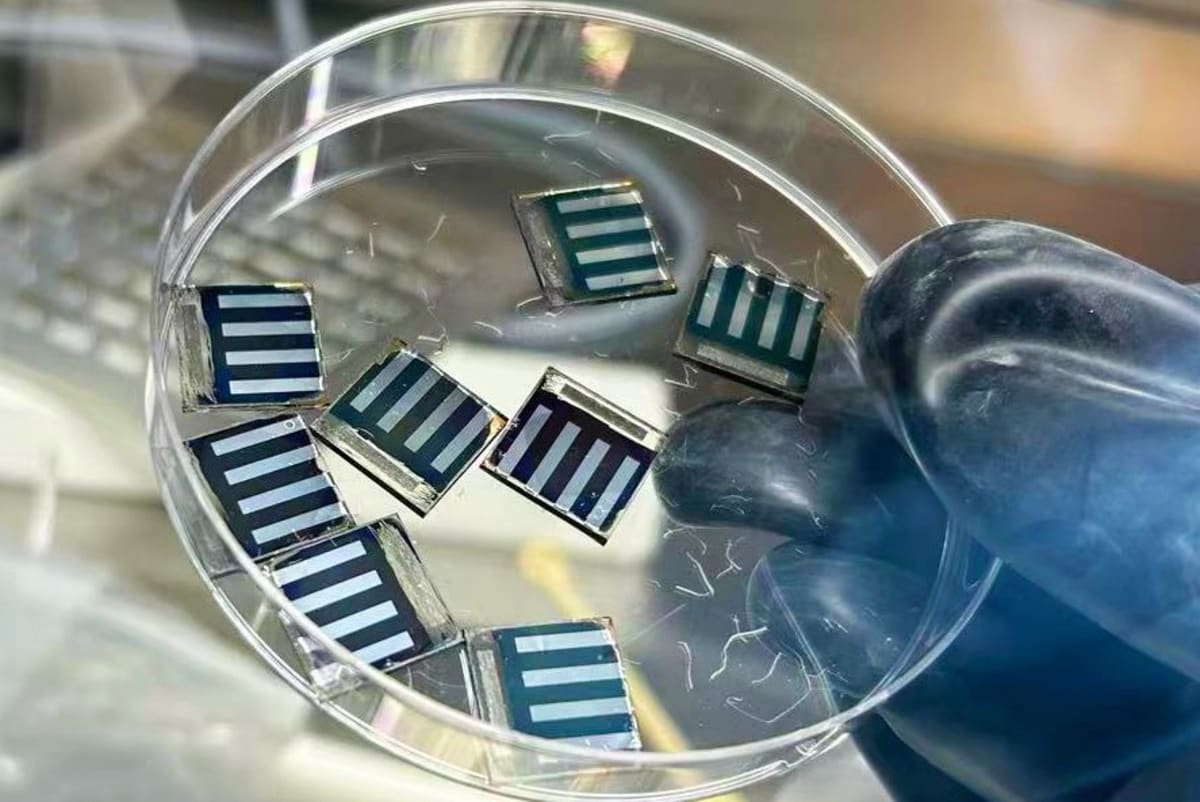
Egypt produced its first homemade solar cell in October 2023, followed a month later by its first high-efficiency solar module. These firsts came from the China-Egypt Belt and Road Joint Laboratory on Renewable Energy, a partnership turning Egypt's abundant sunshine into a sustainable power source.
Before this collaboration, Egypt faced a frustrating gap. The country enjoys 3,000 hours of full sunshine annually, yet it had no way to manufacture its own solar technology. Every solar cell had to be imported, leaving local researchers unable to develop or test their own designs.
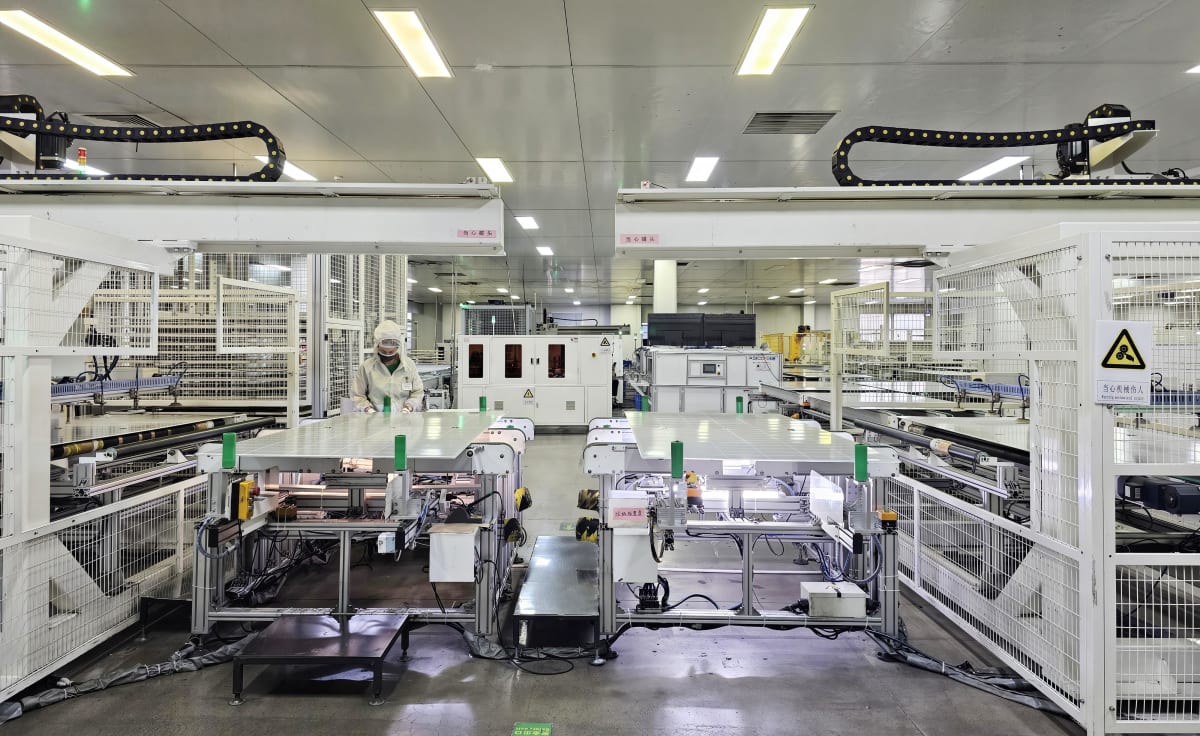
The joint lab changed everything by building Egypt's first complete solar cell production system. Scientists from China's 48th Research Institute brought the world's most advanced solar technology to Karaman Island in Sohag, creating standardized facilities designed specifically for desert climates.
The partnership solved immediate problems too. When the remote island site lacked reliable power and water, the teams installed solar-powered water pumping and purification systems. These "small and beautiful" projects now provide clean water and electricity to local communities.
Professor Mohamed Zahran from Egypt's Academy of Scientific Research and Technology remembers China's commitment vividly. During equipment testing, temperatures inside the lab soared past 40 degrees Celsius, yet Chinese engineers worked long hours to keep the project on schedule.
Egyptian partners showed equal dedication. When the lab urgently needed an industrial component, an Egyptian contractor drove more than 600 kilometers overnight from Cairo to deliver it personally.
The Ripple Effect
This friendship is producing results that extend far beyond one laboratory. Working together, the teams overcame technical challenges in high-resistance solar cell technology, significantly boosting efficiency. The breakthrough created a foundation for developing solar products tailored to Egypt's intense desert sun.
The collaboration represents what Professor Aref Eliwa calls a perfect match. China possesses mature solar technology and supply chains, while Egypt offers ideal conditions for testing and deploying renewable energy at scale.
Deputy Director Zhou Meng sees the joint lab as a model for the region. The teams now plan to upgrade it into a regional renewable energy innovation center, sharing breakthroughs across the African continent.
The friendship runs deeper than technology transfer. "We have never been two separate teams, but rather one family tightly bound by a shared mission," Zahran said. That mission is steering Egypt and Africa toward success in clean energy.
For communities living near the lab, the benefits are already visible in the form of reliable power and clean water, with more green energy dividends coming as the technology matures and spreads.
More Images



Based on reporting by Google News - Egypt Innovation
This story was written by BrightWire based on verified news reports.
Spread the positivity!
Share this good news with someone who needs it