Egypt Protects Red Sea Reefs With 1,400 Mooring Buoys
Egypt's Red Sea coral reefs are getting serious protection through innovative conservation projects that combine marine science with sustainable tourism. The results show how environmental protection and economic growth can work hand in hand.
The Red Sea's spectacular coral reefs are bouncing back, thanks to a bold partnership between Egyptian officials and conservationists who are proving you can protect nature while growing tourism.
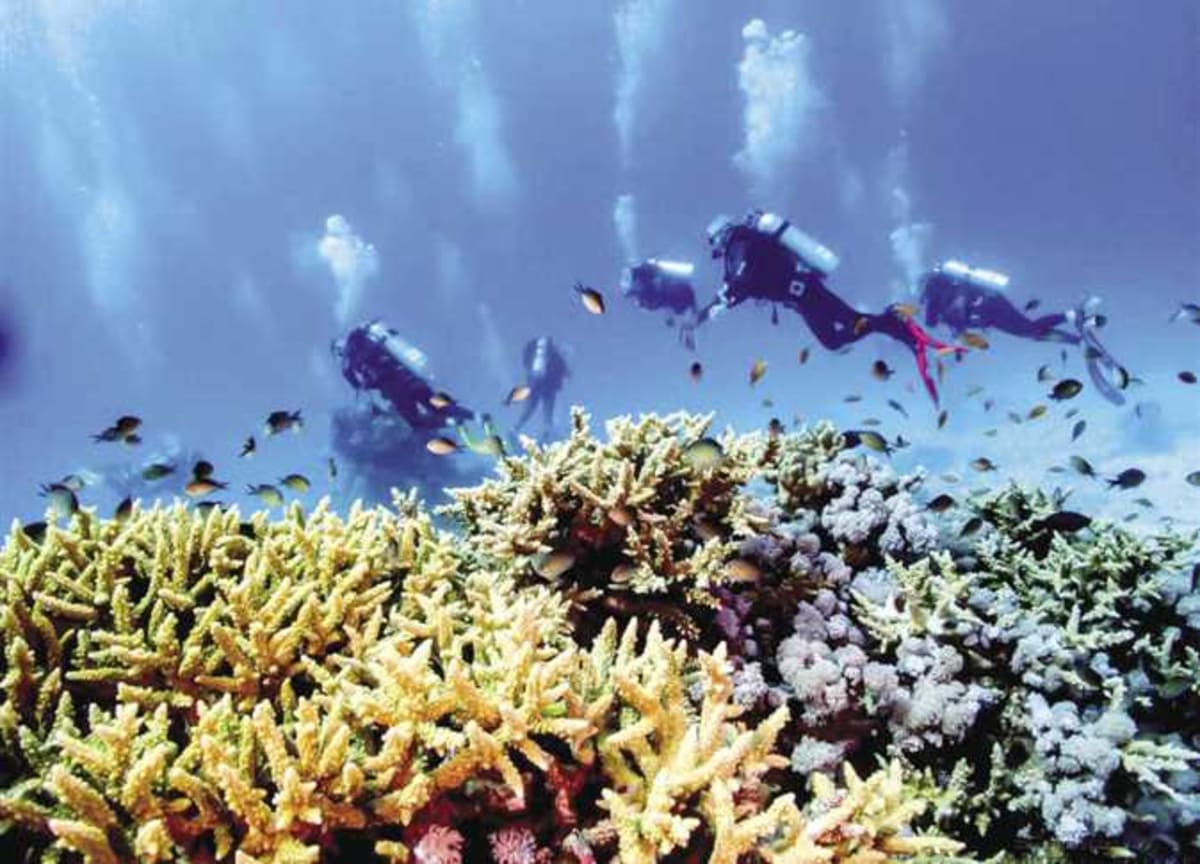
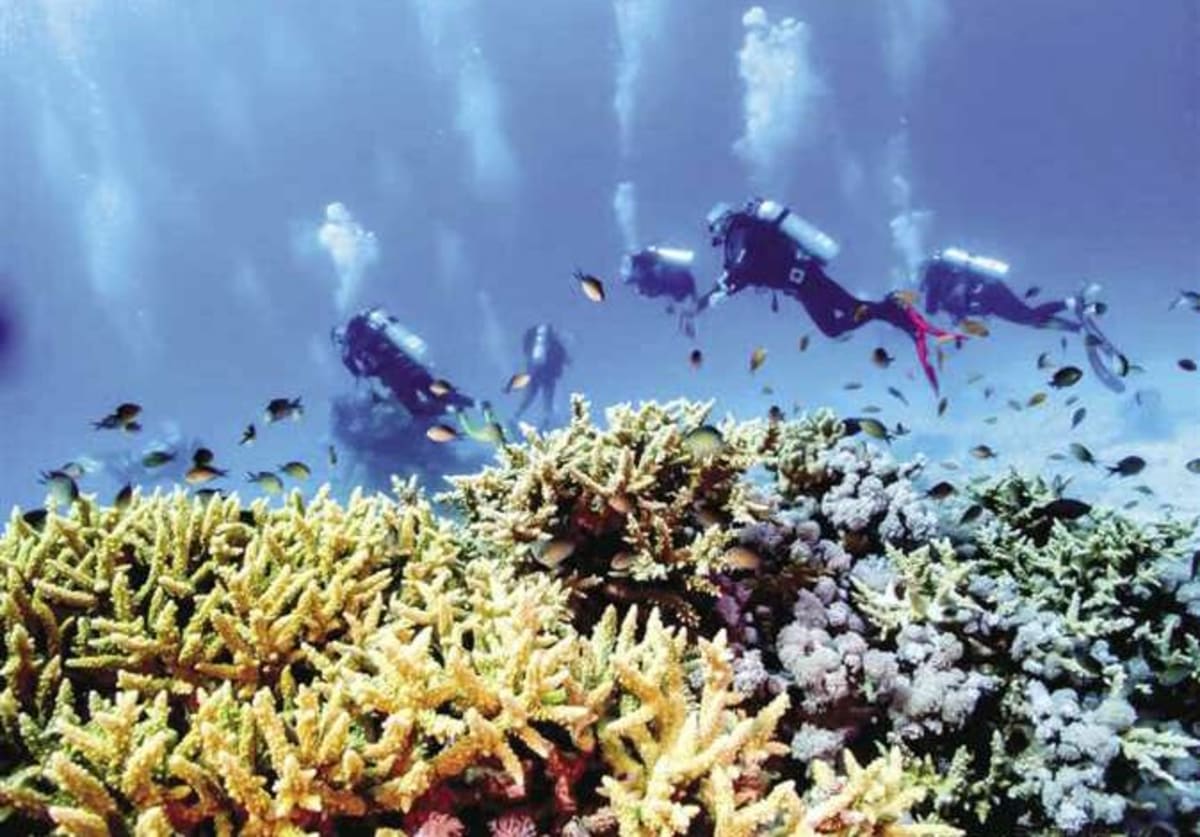
Environment Minister Manal Awad recently met with the Hurghada Environmental Protection and Conservation Association to celebrate their groundbreaking work protecting one of the world's most biodiverse marine ecosystems. The Red Sea hosts coral reefs that scientists say are remarkably resilient, with an unusual ability to recover from bleaching events that devastate reefs elsewhere.
The numbers tell an impressive story. HEPCA has installed 1,400 mooring buoys across the Red Sea to prevent tourist and diving boats from dropping anchors directly onto fragile coral. Regular maintenance keeps the system running smoothly, and plans are underway to expand it to South Sinai.
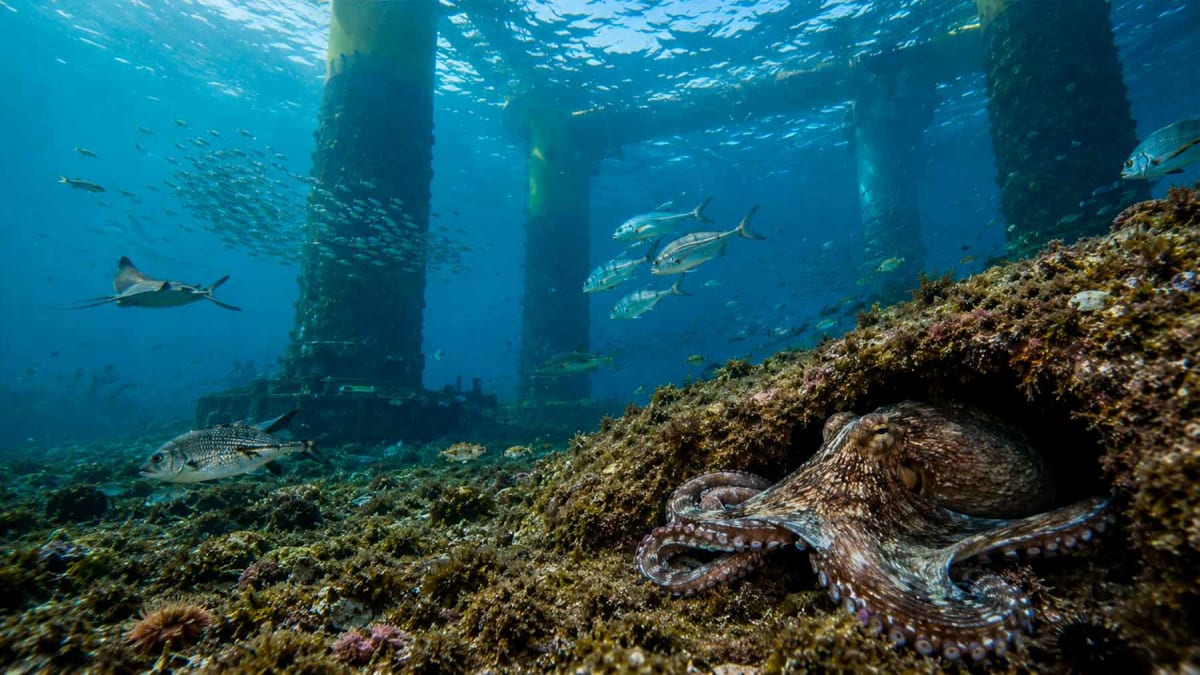
But the innovation doesn't stop there. Egypt is creating alternative diving sites by strategically sinking decommissioned military equipment in carefully selected locations. These new underwater attractions draw divers away from the most sensitive natural reefs, giving them time to recover while still delivering the world-class diving experiences that bring visitors to the region.
The waste management system is equally ambitious. HEPCA manages 400 tons of daily waste in Hurghada and Marsa Alam, with infrastructure upgrades and expanded recycling facilities now in the works. Minister Awad directed authorities to coordinate closely on improving efficiency and sustainability.
Marine scientists are tracking sharks with monitoring devices to better understand their movement patterns and behavior throughout the Red Sea. This research helps inform smarter conservation strategies based on real data about how these magnificent creatures actually use their habitat.
The Ripple Effect: Perhaps the most inspiring success is happening in the Qulaan area, where local residents have transformed from relying on traditional fishing and resource extraction to becoming active conservation partners. The shift has improved both their economic prospects and environmental outcomes, creating a model that other coastal communities could follow.
The projects demonstrate how protecting natural resources directly supports sustainable development and economic growth. Egypt is treating its marine ecosystems as valuable national assets worth investing in for future generations.
Four additional alternative diving sites are now moving forward, with officials accelerating their establishment. The combination of reef protection, waste management, community development, and scientific research creates a comprehensive approach that addresses multiple environmental challenges simultaneously.
Egypt's Red Sea conservation work shows that protecting the planet's most precious ecosystems doesn't mean sacrificing economic opportunity.
More Images
Based on reporting by Egypt Independent
This story was written by BrightWire based on verified news reports.
Spread the positivity!
Share this good news with someone who needs it