Egypt Opens 28th Solar Water Station in South Sudan
Egypt just completed its 28th solar-powered water station in South Sudan, bringing clean drinking water to thousands of families. The latest facility at the University of Juba serves students, staff, and nearby communities as part of a growing partnership between the two nations.
Students at the University of Juba in South Sudan now have access to safe, clean drinking water thanks to a new solar-powered groundwater station built by Egypt. The facility is the 28th such station Egypt has constructed in the country, with each one serving more than 3,000 families.
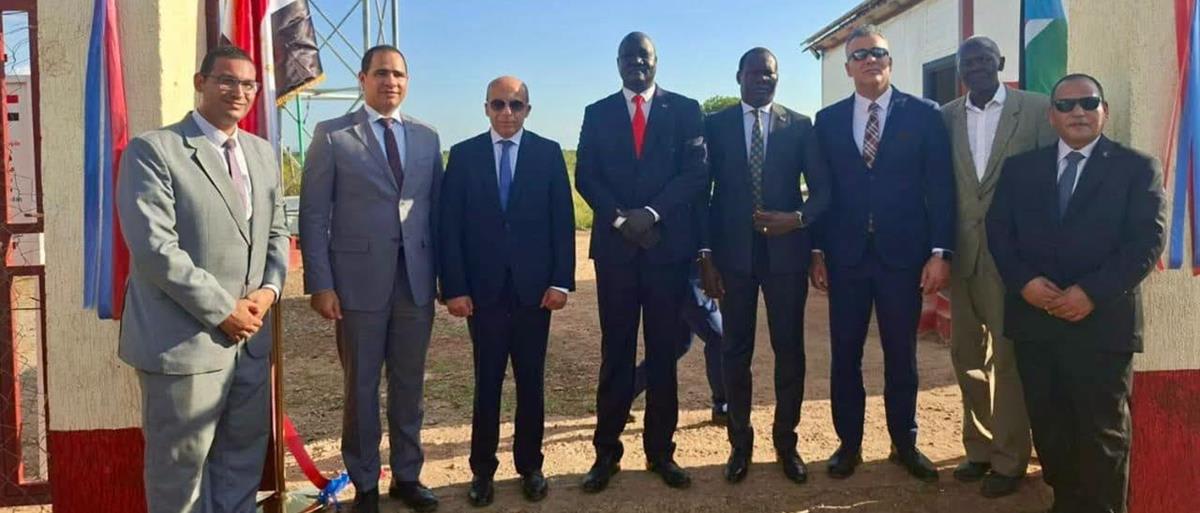
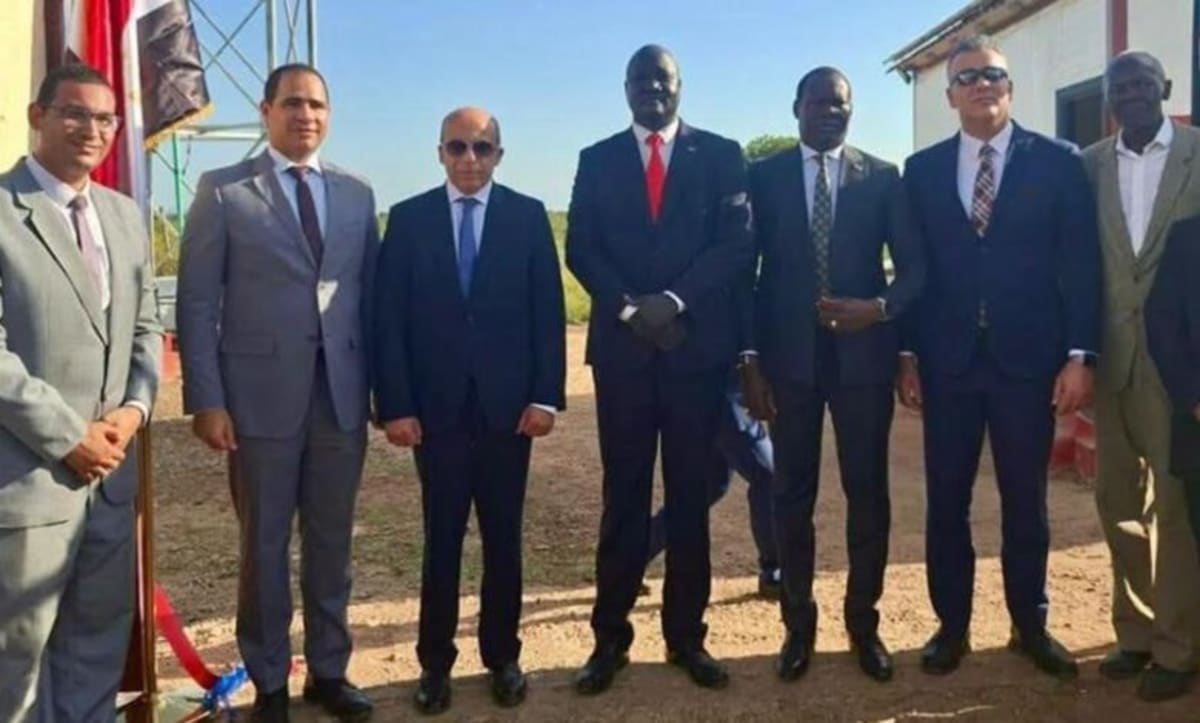
South Sudan's Minister of Water Resources and Irrigation James Mawich Makuach inaugurated the station alongside Egyptian officials. The project was funded through an Egyptian grant designed to strengthen cooperation between the two Nile Basin neighbors.
The station provides reliable water access not just to university students and staff, but also to people living in surrounding communities. Safe water means improved public health, better environmental conditions, and fewer interruptions to education.
Egypt's commitment to South Sudan extends far beyond this single station. The partnership includes training programs, water resource management projects, and the construction of rainwater harvesting dams that provide water during droughts.
Egyptian teams have also cleared waterways along the Bahr el Ghazal in Bentiu and installed monitoring stations that collect crucial data for future development studies. They've even established a forecasting and early warning center at South Sudan's Ministry of Water Resources to help the country prepare for water-related challenges.
The Ripple Effect
This kind of international cooperation shows how neighboring countries can lift each other up. Egypt's technical expertise and South Sudan's willingness to partner create real improvements in daily life for thousands of people who previously struggled to access clean water.
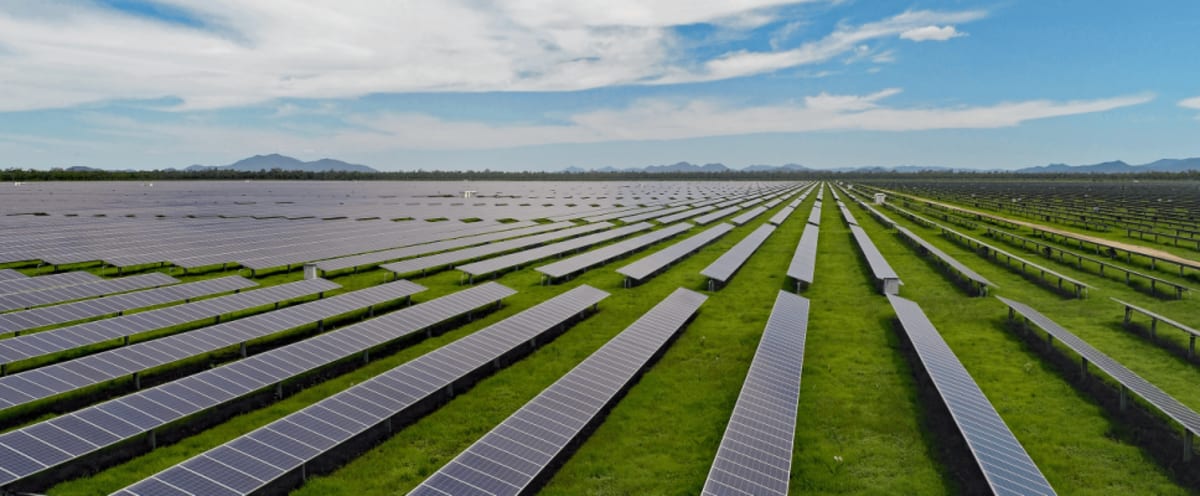
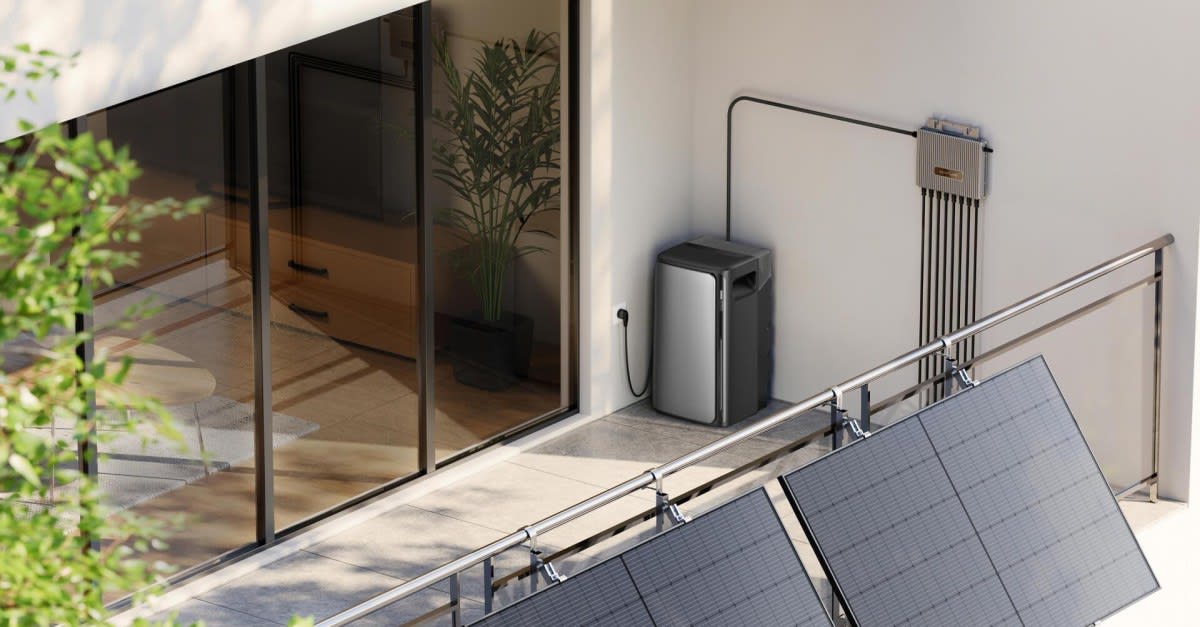
The 28 solar-powered stations represent sustainable infrastructure that doesn't depend on costly fuel or create pollution. Families who once spent hours each day fetching water from unsafe sources can now focus on education, work, and building their communities.
These aren't just water projects. They're investments in public health, educational opportunity, and environmental sustainability that will benefit South Sudanese communities for generations.
When countries share knowledge and resources to solve basic human needs, everyone wins.
More Images
Based on reporting by Egypt Independent
This story was written by BrightWire based on verified news reports.
Spread the positivity!
Share this good news with someone who needs it