Egypt Unearths 1,600-Year-Old Monastery Complex in Sohag
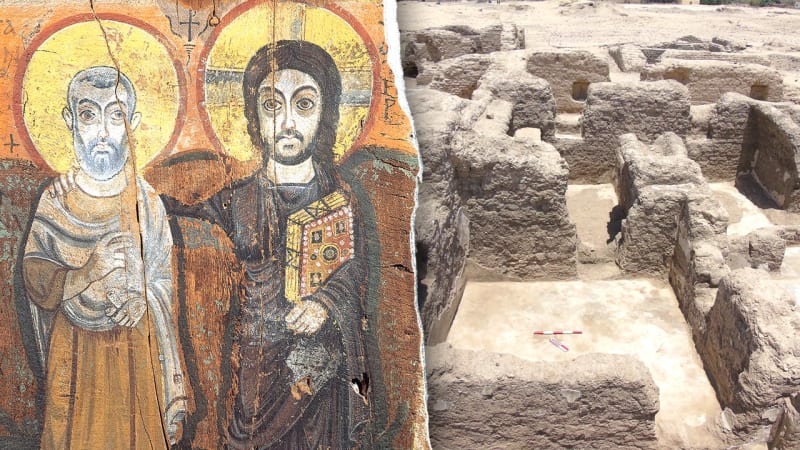
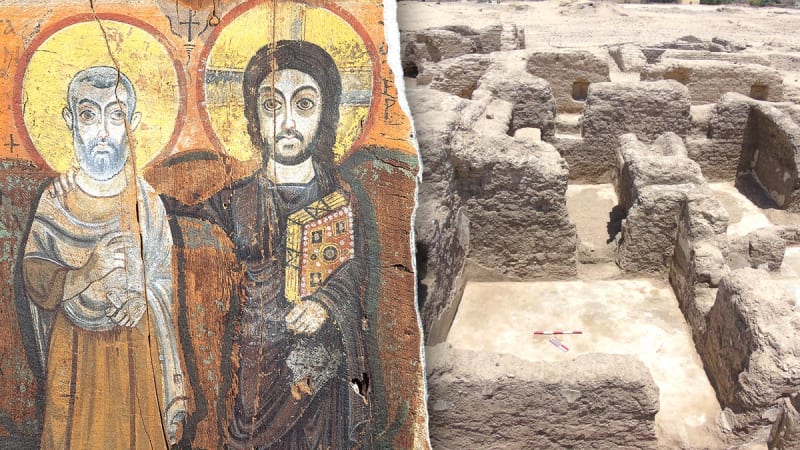
Archaeologists in Egypt have discovered a complete Byzantine-era monastery, revealing how Christian monks lived and worshipped before the Arab conquest in 641 A.D. The find includes living quarters, a church, dining areas, and daily artifacts that paint a vivid picture of monastic life 1,600 years ago.
Beneath the sands of Upper Egypt, archaeologists have uncovered a fully intact Christian monastery that tells the story of devotion, community, and daily life from over 1,600 years ago.
The Egyptian Ministry of Tourism and Antiquities announced the discovery at the Al-Qarya archaeological site in Sohag Governorate on January 6. The complex dates back to the Byzantine period, which lasted in Egypt from the 4th century until 641 A.D.
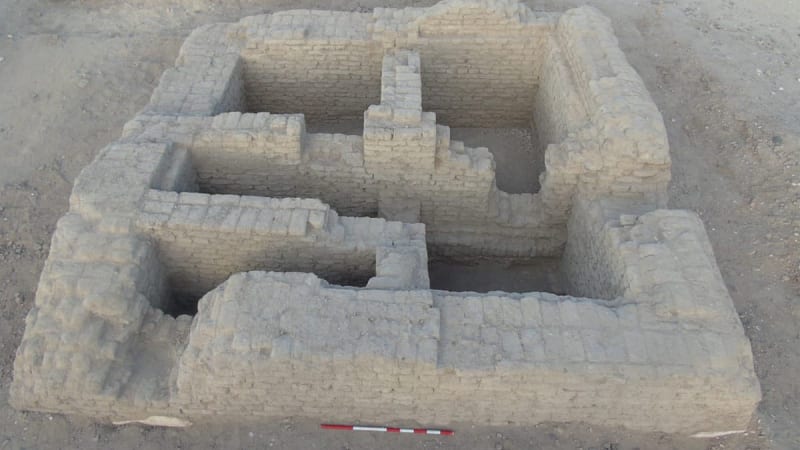
The monastery wasn't just a place of prayer. It was a thriving community where monks lived, ate, worked, and worshipped together in a carefully organized compound built entirely from mudbrick.
Researchers found rectangular worship halls featuring eastern niches used for prayer, along with small vaulted rooms that served as individual cells for monks. The structures reveal a sophisticated understanding of communal living balanced with personal devotion.
The complex included a main church with three distinct sections: a nave supported by mudbrick pillars and covered by a central dome, a choir area, and a semicircular sanctuary on the eastern side. Two side chambers flanked the sanctuary, suggesting organized liturgical practices.
But perhaps most fascinating are the glimpses into everyday monastic life. Archaeologists uncovered circular structures believed to be dining tables where monks shared meals together. They found basins built from red brick and limestone, covered with red plaster, likely used for storing water or supporting the monastery's various activities.
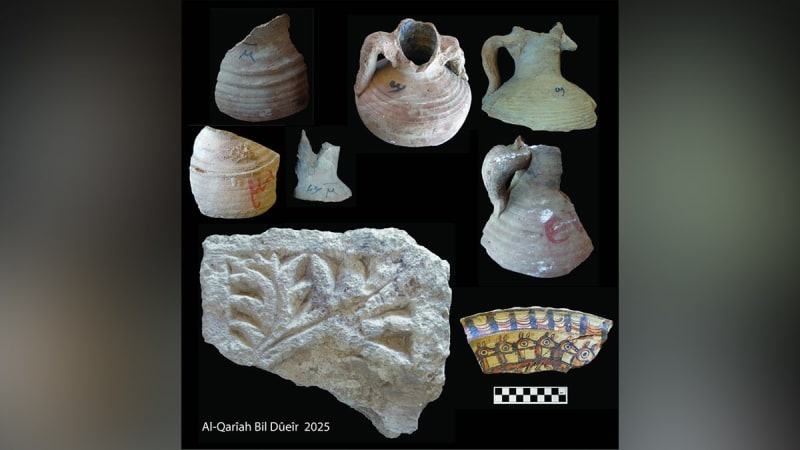
The artifacts paint a picture of self-sufficient community life. Researchers recovered amphorae (storage jars), ostraca with Coptic inscriptions, limestone panels, and everyday tools the monks used to maintain their compound and sustain themselves through what officials described as "industrial activities."
Why This Inspires
This discovery shows us that communities built on shared values and mutual support have thrived for thousands of years. These monks created a society where spirituality and practical living worked hand in hand, where individual devotion complemented collective responsibility.
Their carefully designed spaces for worship, work, rest, and meals reveal people who understood that sustainable community requires both structure and soul. The fact that their buildings survived 1,600 years speaks to the strength of what they built together.
Minister of Tourism and Antiquities Sherif Fathy said the find helps highlight Egypt's lesser-known archaeological treasures and supports cultural tourism beyond the pyramids. Egypt continues to yield new discoveries monthly, each one adding chapters to humanity's shared story.
These ancient walls remind us that building meaningful community has always been worth the effort.
More Images
Based on reporting by Fox News Latest Headlines (all sections)
This story was written by BrightWire based on verified news reports.
Spread the positivity!
Share this good news with someone who needs it