Egyptian Fossil Reveals Apes May Have Evolved in North Africa
A 17-million-year-old ape jawbone discovered in Egypt is rewriting the story of where modern apes, including humans, first evolved. The find suggests our ancient ancestors may have originated in North Africa or the Middle East, not East Africa as scientists long believed.
Scientists just found a fossil that's changing everything we thought we knew about where apes like us came from.
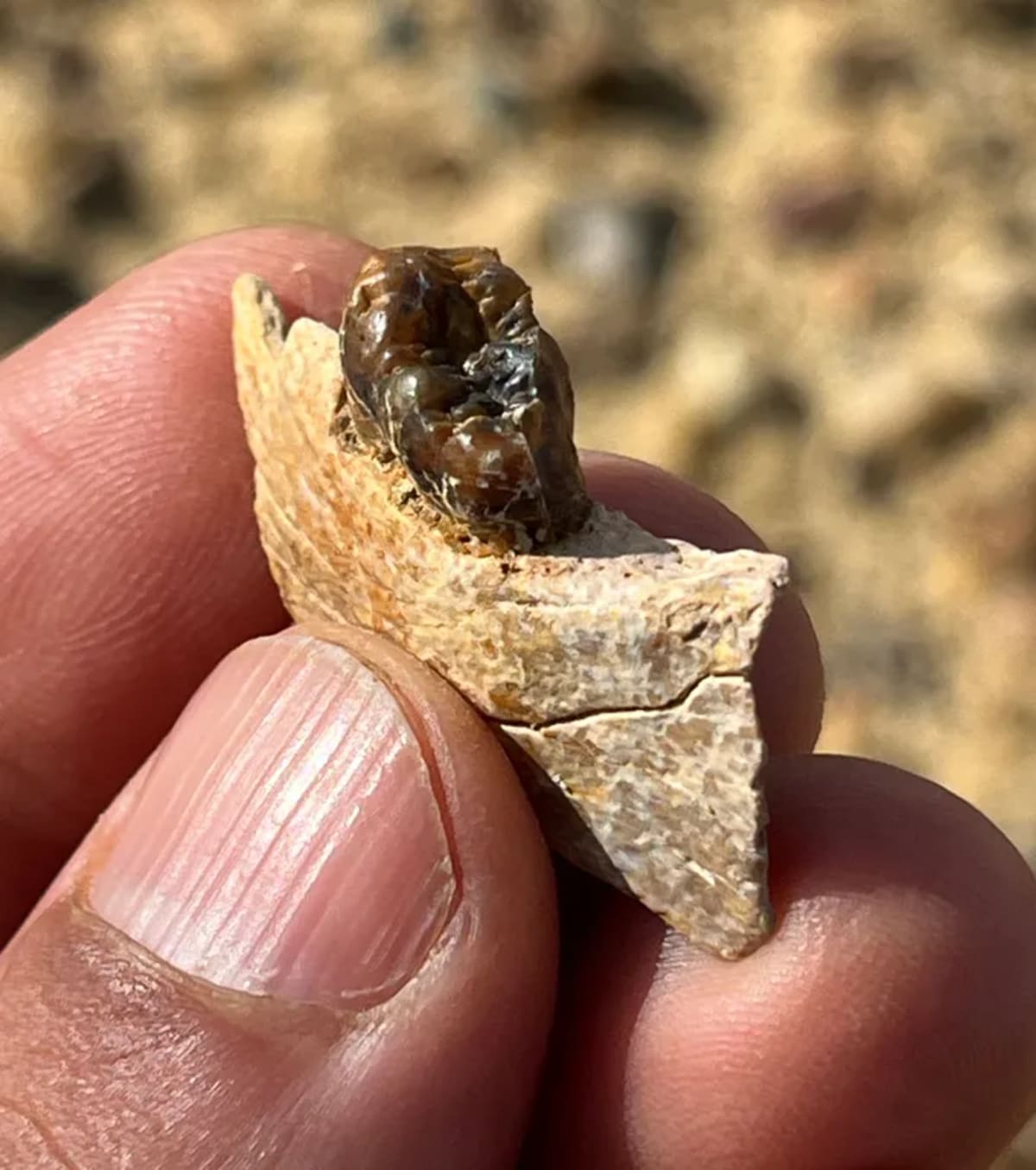
In 2024, paleontologist Shorouq Al-Ashqar was walking through a dig site in northern Egypt when something unusual caught her eye. "I found a piece of lower jaw with a wisdom tooth," she says. "I immediately realized that it was an ape."
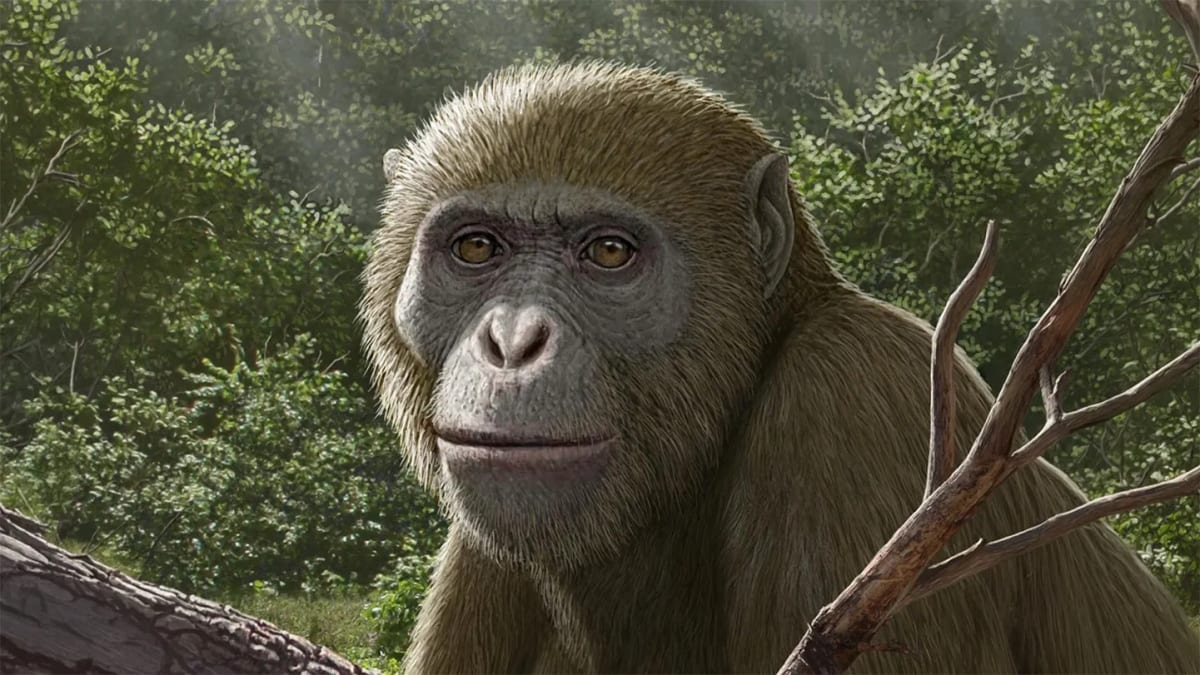
That moment changed the map of human evolution. The jawbone belonged to Masripithecus, a previously unknown ape species that lived 17 to 18 million years ago in what is now Egypt.
For decades, scientists believed early apes evolved exclusively in East Africa. That's where nearly all the fossil evidence had been found. But Masripithecus tells a different story.
The discovery, published in Science on March 26, suggests apes may have actually originated in North Africa or the Middle East before spreading to other parts of the world. Some even migrated back into Africa millions of years later.
"The entire story of early ape evolution was told by only a small corner of the continent," says Al-Ashqar, who works at Mansoura University in Egypt. Her team had been searching for ape fossils in the region since 2021, curious if North Africa held secrets the scientific community had missed.
Masripithecus had flat teeth perfect for munching fruits, nuts and seeds in the subtropical forests that once covered Egypt. The ape was very closely related to the last common ancestor of modern apes like gorillas, orangutans, chimpanzees and humans.
Why This Inspires
This discovery proves that entire chapters of our story are still waiting to be written. For a century, scientists knew about the Wadi Moghra fossil site where Al-Ashqar made her find, yet this ancient relative remained hidden until now.
Paleontologist James Rossie from Stony Brook University says the discovery "verifies that our view of ape evolution in Afro-Arabia still has huge blind spots." Every time researchers look beyond the usual places, fascinating new species emerge.
Al-Ashqar believes countries like Morocco, Tunisia and Libya may hold similar treasures yet to be discovered. Her team is just getting started, and each new fossil site could reveal another ancestor we never knew existed.
The story of where we came from is being rewritten one jawbone at a time, and it's more complex and wonderful than anyone imagined.
More Images
Based on reporting by Google: fossil discovery
This story was written by BrightWire based on verified news reports.
Spread the positivity!
Share this good news with someone who needs it