Egyptian Fossil Site Shows Modern Fish Rose 4M Years Early
Scientists discovered hundreds of fish fossils in Egypt's desert that prove modern ocean fish evolved 4 million years earlier than we thought, just after the asteroid that killed the dinosaurs. The 62-million-year-old site reveals how quickly marine life bounced back from one of Earth's worst disasters.
A treasure trove of ancient fish fossils buried in Egypt's desert is rewriting the story of how our oceans came back to life after the dinosaurs disappeared.
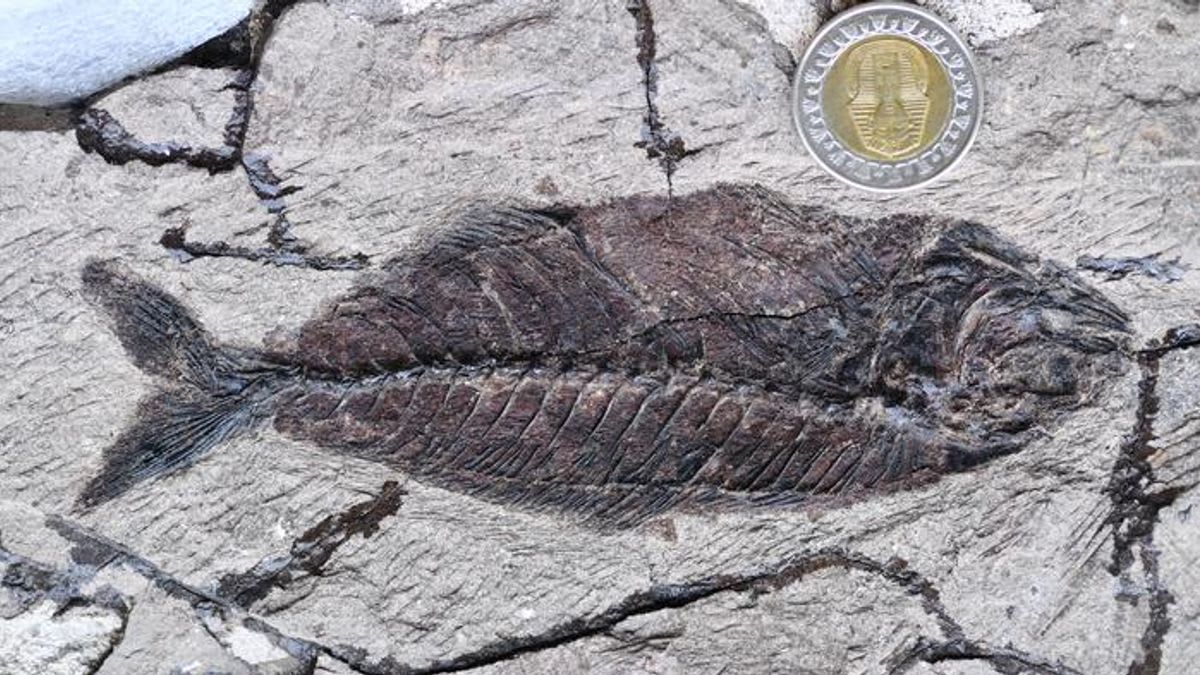
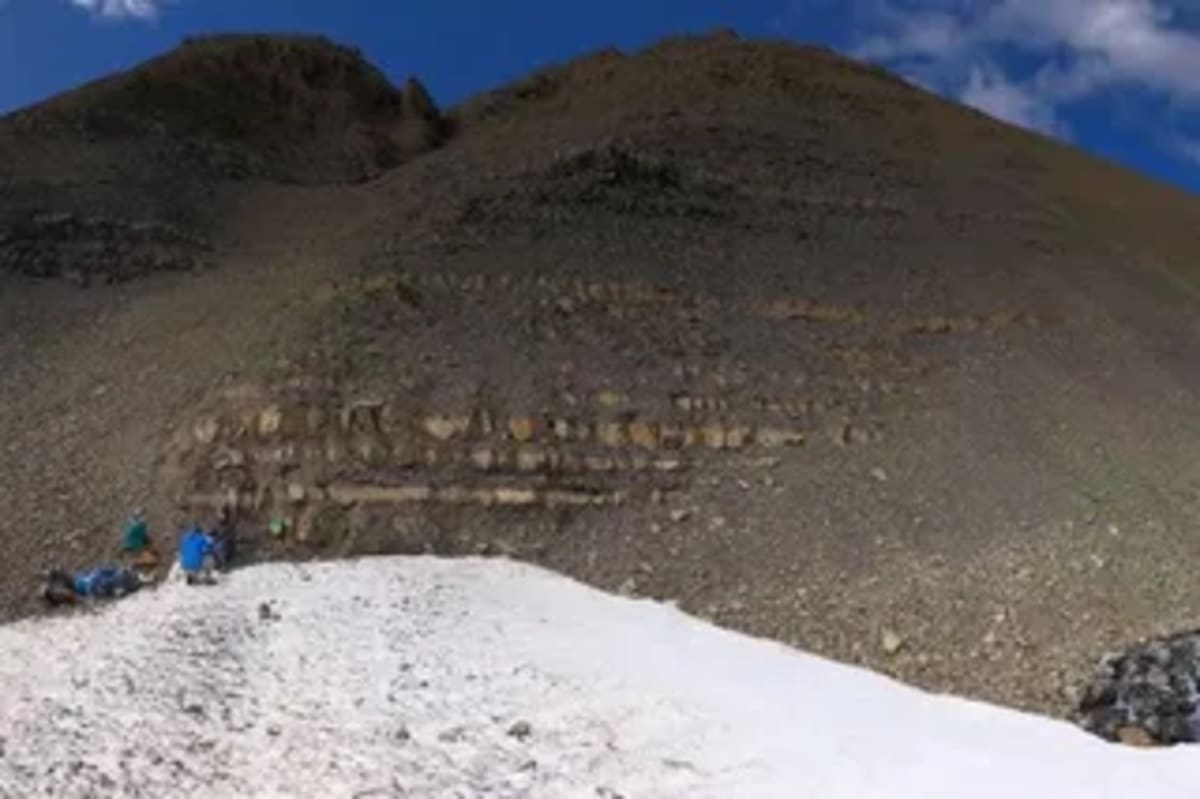
Scientists have uncovered more than 20 species of fossilized fish at a site called Qreiya 3 in Egypt's Eastern Desert, dating back 62.2 million years. The discovery pushes back the timeline for modern fish evolution by 4 million years and shows that familiar ocean communities formed faster than anyone imagined.
"What surprised us most was not just how many fishes the site preserves, but how familiar the community looks," said lead researcher Sanaa El-Sayed from Mansoura University. The fossils include early ancestors of fish we eat today, like tuna, mackerel, and flounder.
Here's what makes this remarkable: the same asteroid impact that wiped out dinosaurs 66 million years ago also devastated ocean life. But this fossil site shows that just 4 million years later, the seas were already teeming with the fish groups that would eventually dominate modern oceans.
The Egyptian desert where these fossils rest was once covered by tropical seas ranging from 492 to 820 feet deep. Low oxygen conditions at the bottom preserved the fish in stunning detail, allowing scientists to compare their bones directly with living species swimming in our oceans today.
The research team noticed something else important: older predatory fish species common before the extinction were completely missing from the site. This suggests the asteroid impact cleared the way for modern fish to rapidly expand and fill empty ecological roles.
Why This Inspires
This discovery reminds us that life finds a way, even after catastrophe. The fastest mass extinction in Earth's history didn't just end the age of dinosaurs. It opened the door for the rich, diverse ocean ecosystems we depend on today.
The tropical location may have helped speed up this recovery, giving us hope that understanding past resilience can inform how we protect marine life facing challenges now. Scientists are still studying hundreds more specimens from the site, with many surprises likely still waiting in the ancient stone.
"This is only the beginning of the story," said senior author Hesham Sallam. The Qreiya 3 site may be one of the best windows we've ever found into how life reorganizes itself after disaster, proving that endings can become extraordinary new beginnings.
More Images

Based on reporting by Google: fossil discovery
This story was written by BrightWire based on verified news reports.
Spread the positivity!
Share this good news with someone who needs it